
African Impact
Through our volunteer programs, we invite you to be more than a tourist - to be a traveller, a conservationist and a humanitarian. Explore, Inspire, Impact.
Monday, July 21, 2008


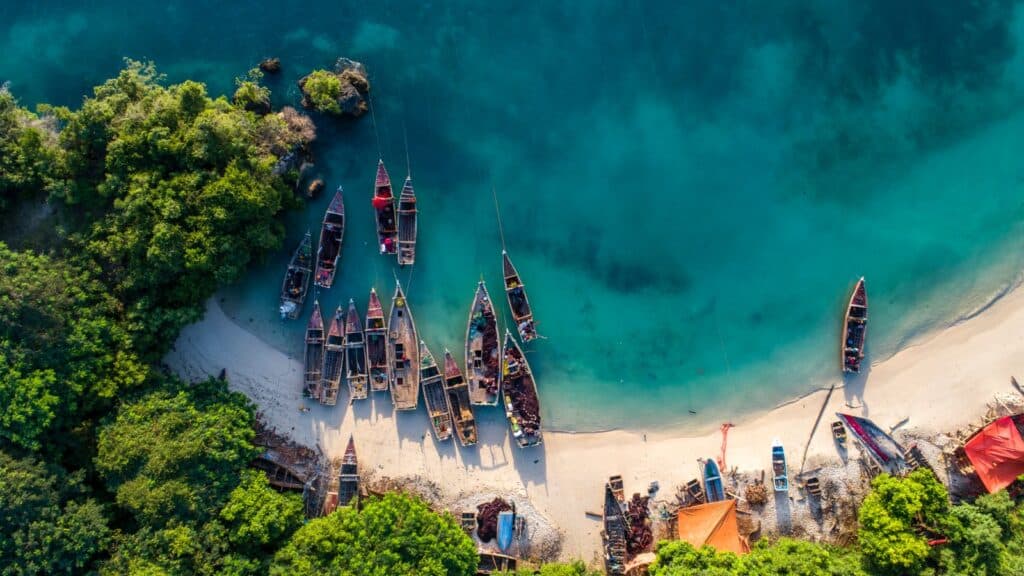
Annie Rose joined us in Mozambique earlier in 2008, and has just finished up her placement on Zanzibar Island off the coast of Tanzania. Annie Rose was assiting with rural pre-school teaching and community development...
I loved spending time with the kids at the school and establishing connections with them individually. I also loved getting to know my fellow volunteers. Just being in such a beautiful area was a highlight everyday, and my weekend (on the north coast) in Nungwi was amazing.
What were your overall impressions of our Volunteer in Africa organisation?
Well I must like it somewhat if I chose to come back again!
But seriously I do think this program has a wonderful aim and is doing wonderful things to help Africa. Even though the organisation is only 5 years old it has already done significant work to better the entire country. Each time I come here I seem to fall more and more in love with the organization. I really had a wonderful time on this trip and I’m very sad to be leaving. I hope to return to Zanzibar or work with another African Impact project very soon.
Regina Huynh recently joined us to Volunteer in Kenya...
Did you have any concerns before traveling to Africa?
Yes I was concerned with the safety and security here in Kenya after the political turmoil and wanted to make sure I would be accountable for at all times. I expressed this concern and was put at ease by the volunteer coordinators who assured our compound was gated with security guards and that we would be accompanied by someone at all times.
What were your overall impressions of the program?
I really like what this program is doing...its more than most volunteer programs offer, by aiming at long term, sustainable changes.
This program was great and exceeded all of my expectations. It took me forever to pick an organization to go to Africa with and this was exactly what I was looking for. I love that we work very personally and hands on with the neediest of Kenya. I love that the projects are flexible and that there is room for volunteers to make changes and implement things.
Friday, July 18, 2008
Nathan Webb and Leigh-Ann Marnoch, our Hwange project managers, report back on some of last weeks excitements...
Friday 11th July 2008
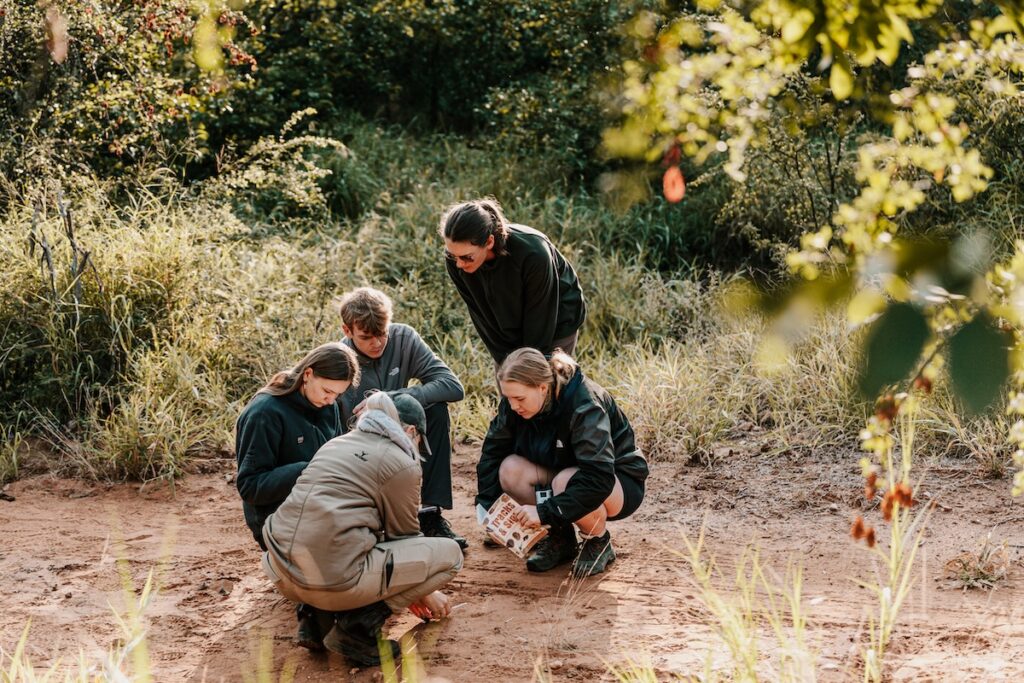
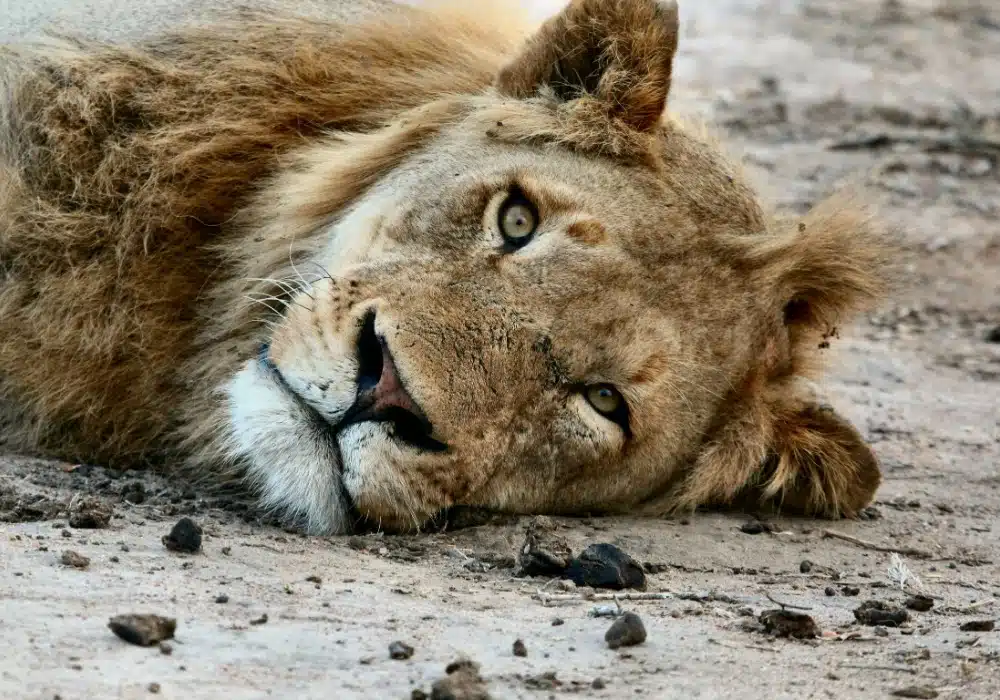
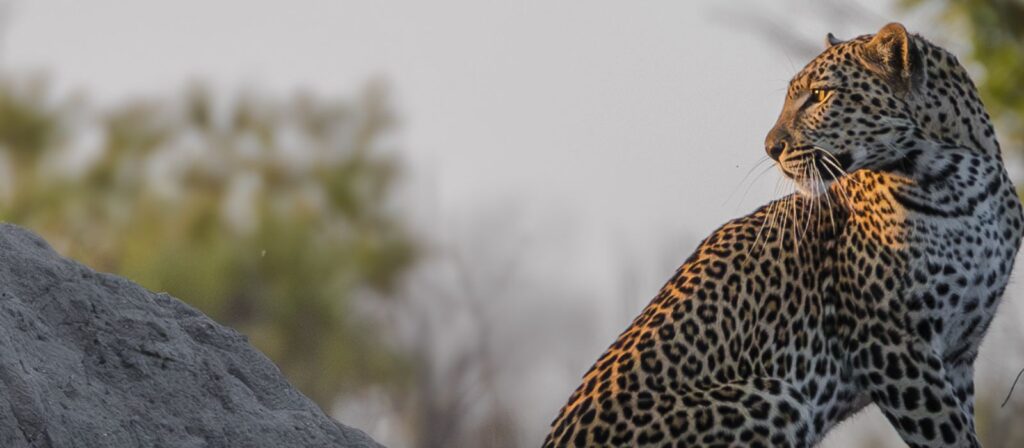
A early start to the day with a small carnivore spoor transect. This was Joyces (our current volunteer) first one and she found it very interesting. During the transect we came across a very big male lion as well as leopard spoor. When Leigh placed her hand next to the lion spoor, it was the same size. It was nearly 13cm, which is not the biggest but its still big enough. We later came across female herd of elephants and one of the calves came walking down the road towards us. He was only about a year old but he still insisted on giving us a dominance display which we thought was funny. We then followed up the lion spoor hoping to find it but we came across something even better. We spotted some eyes in the distance and when we got closer we were surprised to see a male leopard lying in the grass. We watched him for a bit and after a few minutes a female leopard appeared from the bush next to him. These two must have been a courting pair as the male growled at the female every time she tried to rub up against him, which is a sure sign that they were mating. That was a unique experience for everyone especially Joyce.
It doesn’t end there, on our way back to the lodge we saw a side striped jackal on the side of the road which again is rare! We are getting luckier each time...
Thursday, July 3, 2008

Hi Everyone
I just wanted to give you our latest update from Zimbabwe and how the situation is affecting our lion rehabilitation projects at Antelope Park and the Victoria Falls, as well as our Elephant and Conservation project in Hwange National Park:
June 27th came and went in Zimbabwe quite uneventfully and our projects continue to run as usual. Below is a more in-depth update on the Victoria Falls/Hwange National Park region as sent out by the official bureau of ‘gotovictoriafalls.com’
In tourist destinations such as the Victoria Falls, the airlines continue to fly in daily and unload guests from a myriad of countries and points of origin to this Hub of regional tourism. We recognise of course that certain agents, operators and travellers have concerns about visiting Zimbabwe as a result of travel advisories issued by some countries. On this topic, an industry delegation from JATA (Japanese Association of Travel Agents) visited Victoria Falls last weekend on a specific “look see” experience and have gone back determined to encourage their government to keep Victoria Falls in particular on the lowest possible level of travel advisory. In a similar vein, we hope to be able to influence local embassies and high commissions so that Victoria Falls is not included in increased travel warnings for the country at large. We once again reiterate that Victoria Falls remains one of the safest, calmest and most peaceful destinations on the planet. There is no sound reason not to visit, and indeed many good reasons why one should visit. GotoVictoriaFalls.com and all its members have always been, and will always be honest, frank and professional in our communications about the status and facts on the ground in Victoria Falls. We will always seek to be the first to advise, should it ever be necessary, against travel to Victoria Falls. We look forward to your continued support and remain sincerely appreciative of all your efforts on our behalf. Yours sincerely Ross Kennedy
With regards to our Antelope Park projects, all volunteers who arrived during the run-up to the elections faced no difficulties en route to their placement, and our projects continue to run in a manner of which we can all be proud, given the current economic situation that our country is faced with. We are immensely proud to be part of a nation of people of which the large majority hold their heads up in times of crisis, and welcome any queries that you might have.
For daily updates from one of our current Antelope Park lion rehabilitation project volunteers, read Kelly Swift's blog http://kellyswiftinafrica.blogspot.com/
"Today I had my first sunrise lion pride walk. Watching the sunrise over the African Bush was spectacular. The lions are quite talkative in the mornings. As we approach their enclose they begin to make what sounds like a combination of a continuous, subtle roar and a moan. You can’t help but want to try and mimic the sound back. They are happy to see the arrival of their human pride and begin rubbing up against the cage practically begging for our hands to touch them. We do. Once the gate is open, they cheerful come out to explore. The morning session began with the older cubs, 19 months......"
For any queries relating to our Zimbabwe projects please feel free to email Lesley Bredenkamp, our Destination Manager for Zimbabwe, on lesley@africanencounter.org
Sarah Graham
AFRICAN IMPACT
Friday, June 20, 2008

"Clearing the space behind Red Hill, building the fence, and installing the gate is something I will NEVER forget. The volunteers who were involved with that project and I are very proud of it. Teaching at Ukhanyo was also a highlight. Being able to connect with the student and really make and impact in their lives. It is an experience that I will be telling my kids about. Truly an enlightening experience. I also enjoyed teaching the adults at Masi how to use a computer. I only got to do this for two weeks at the beginning, but even to this day when I see the teachers they thank me for the lessons. Reading at the Library and Sports were also activities I enjoyed. Aside from project I enjoyed getting to know my fellow volunteers and the AI staff. They are a huge part of this experience" Justin Kreamer, Age 26, USA.
Friday, June 13, 2008


Sunday, January 13, 2008
Sir Ranulph Fiennes at the release site
Phyre, Kenge and Ashanti explore their new surroundings
The Independent, known as the Indie is a UK national daily newspaper with a readership of around 250,000 per day.
Here is their report on our lion rehabilitation programme from last week...
Walking with lions: How captive-bred animals can be returned to the wild
Swallowing his fear, Richard Grant braves a very close encounter with big cats
Published: 29 November 2007
It seems dreamlike, impossible. Armed with a stick and a few instructions ("Be relaxed, stand your ground, never show fear or panic...") I'm walking through the African bush with four young lions. Shoulders rolling, tails low, they look so menacing and magnificent, and so utterly capable of turning me into lunch.
This fear cannot be allowed into my mind. It will show in my body language and the lions will see it. They were born in captivity, reared by their handlers to think of humans as the dominant members of their pride. But they are opportunistic carnivores, and have an unerring ability to detect weakness and single out the easy target in a herd or group.
Two lions bound ahead, wrestling each other. Walking towards them, entranced by their play, I lose track of the dominant female as she drifts off then circles back. "Watch your back!" one of the handlers, Marvin, calls out. I turn. The lion is stalking me, head lowered, with that predatory look that the handlers call "cheeky".
I stand my ground and say, "No!" while Marvin distracts her. The look goes out of her eyes and she comes past me at a slow, nonchalant amble before flopping on the ground. "Has anyone ever been hurt doing this?" I ask. "Just the occasional scratch," replies Marvin. "You can pet her if you like." Following his instructions, I approach from the tail end, talking to the lion in firm but soothing tones, and start rubbing her vigorously on the back and sides. You don't stroke a lion gently. Their skin is eight times thicker than ours and a light touch can be annoying, like a fly on human skin. When she turns to play-bite my hand, I scratch on the ground with the stick to distract her. I give her belly a good rub and she stretches out, making a contented groan.
There are two places in Africa where you can walk with lions and both are in Zimbabwe, a country with the world's highest inflation rate, 80 per cent unemployment, and severe shortages of food and fuel under Robert Mugabe's controversial rule. I had misgivings about going there, but I didn't get so much as a hostile glance and I felt glad to be supporting the tourist industry and the Zimbabwe-based African Lion and Environmental Research Trust (Alert).
Alert is a non-profit organisation which arranges the lion walks and it is championed by such supporters as Sir Ranulph Fiennes. It also works tirelessly for lion conservation, employing local people in the process.
Since 1975, African lion populations have declined faster than any other species on the continent. Illegal hunting, loss of habitat and disease have been the main factors. A 2004 report by the African Lion Working Group puts the lion population on the continent as low as 16,500 and decreasing, with many living in isolated, inbred and doomed populations.
Alert's main aim is to breed lions then release them into the wild. This was the idea of its founder, a Zimbabwean called Andrew Conolly, who inherited some lions and motherless cubs when he bought the Antelope Park game preserve near Gweru in the Zimbabwe midlands, 20 years ago. With his wife, Wendy, he started walking the cubs in the bush.
"It was amazing to see their hunting instincts develop," Conolly says. "It wasn't something they needed to be taught. All they needed was the opportunity."
Andrew is missing his left arm. It happened when he was still learning about lions and long before he founded Alert. One night he went down to his lion enclosure, acted "overly familiar" with them and was probably lucky to lose just his arm. However, he still loves them for the indomitable predators they are. If anything, it strengthened his determination to work for their future. But he knew it wouldn't be easy.
Others had previously tried introducing captive-bred lions to the wild, almost always failing. The reasons were fourfold: individuals were released instead of prides; they weren't given the time and opportunity to hone their hunting skills; they were too habituated to humans; and they had no experience of competing with species such as hyenas.
Alert, in conjunction with a team of scientists, has come up with a four-stage programme to help to rectify these issues. During stage one, the cubs are taken from their mothers at three weeks. This may sound cruel, but mother lions are used to losing cubs, mainly because incoming males often kill all young under the age of one when they take over a pride, to bring the females into heat. Both in the wild and in captivity, these mother lions return to normal social activity within a few hours of losing their offspring.
After removing the cubs, Alert staffers bottle-feed and play with them, introducing them to meat, providing affection and discipline, and, at six weeks, beginning a regime of walks. It's during this period that tourists can help to walk the lions, their $100 fee helping to fund the programme.
For me, walking with the cubs during this phase one stage started to feel familiar and comfortable. I learnt that the lions are lazy. Sometimes you'll only get 20 paces before they flop down. We may associate lions with courage but the cubs are afraid of water, heights, shadows and most living things that move. The main reason for the walking programme is to build their confidence in the bush and to allow their hunting skills to develop. They practise on each other and sometimes on you, laying ambushes and sometimes bounding towards you in a kind of play-charge, at which point you have to raise your arms, say, "NO!"
Like domestic cats, they are much better at climbing up trees than climbing down. They hate being pinched the back of the thigh. Their tongues are astonishingly abrasive, designed to scrape animal flesh from bone.
As the cubs grow older, human contact is reduced to a minimum; instead, the lions are let out at night to hunt. By the age of two, they are killing nearly all their food, operating as a pride, and are ready for stage-two release. This involves transferring a pride into a semi-wild ecosystem of no less than 500 acres; the lions are expected to sustain themselves by hunting. Then they'll be moved into a wilder stage-three area inhabited by hyenas, where they are removed from all human contact. It's the cubs born during this stage – reared by a pride in the wild, with all their natural fear and wariness of humans intact – which can then, it is hoped, undergo a stage-four release into national parks and other protected wild areas.
Until I arrived, the Alert programme had not yet progressed past stage one, but eight other African countries had expressed interest in replenishing their lion populations this way. So it is on a hot sunny morning that I join about 80 people at the game reserve near Turk Mine, Zimbabwe, to watch the first stage-two release of lions into the fenced semi-wild ecosystem. Emotions are running high. "This has never been done," Andrew tells me. "No one has ever released a captive-born pride into the wild before."
"They look ready," says David Youldon, chief operating officer of Alert. The seven lions, five females and two males, pace their enclosure. The big male, Maxwell, has been in a fight with Phyre, an aggressive female, and both lions bear wounds on their faces. "Not so good for the cameras but normal," David tells us. "It's a hard, violent life being a lion." Sir Ranulph Fiennes, there to lend support, pulls back the gate's release bar and the seven lions pad out into their new 1,000-acre world. The crowd wishes the lions good hunting. Two tough-looking male handlers sob.
Three days later, the news is not good. Phyre and Maxwell are still fighting and the pride hasn't made a kill. It's been a week since they've eaten. Then on day four, the lions bring down an eland, and it seems from all the blood on her face that Phyre did most of the killing. "My baby!" says David, emotionally. "I'm so proud of her it's ridiculous." Two days later they bring down a warthog. The lions are doing as well in their new surroundings as anyone had dared hope. Perhaps the future of the African lion is not as fragile as it seems, after all.
Lion walks are available at Masuwe Safari Lodge (www.lionencounter.com) and Antelope Park (www.antelopepark. co.zw). For more information and to make a donation, contact alert@africanencounter.org A version of this article appears in the December edition of High Life, the British Airways magazine
Wednesday, November 28, 2007


Ania Perez, age 29, from Spain
Q: Did you feel your orientation was effective? If not please explain why and feel free to put forward any suggestions that you may have.
A: There was fully effective orientation on arrival and I’ve had all the information needed during my whole stay, perfect!
Q: What were some of the highlights of your placement with us?
A: Vilanculos itself, being in touch with local people and local staff everyday, having the chance to be here at the beginning of the school project, being able to build something with my own hands, the camp… All of it!
Q:How has living in Africa for this period influenced your perspectives and outlook on life?
A: I’ve loved this town and this part of Africa. It has been a completely enriching experience in all senses. I will certainly keep trying to visit more places down this side of the world. And I am much more patient now.
Volunteer in Tanzania - Annie Rose McGrath shares on her second volunteer experience with us
I loved spending time with the kids at the school and establishing connections with them individually. I also loved getting to know my fellow volunteers. Just being in such a beautiful area was a highlight everyday, and my weekend (on the north coast) in Nungwi was amazing.
What were your overall impressions of our Volunteer in Africa organisation?
Well I must like it somewhat if I chose to come back again!
But seriously I do think this program has a wonderful aim and is doing wonderful things to help Africa. Even though the organisation is only 5 years old it has already done significant work to better the entire country. Each time I come here I seem to fall more and more in love with the organization. I really had a wonderful time on this trip and I’m very sad to be leaving. I hope to return to Zanzibar or work with another African Impact project very soon.
Volunteer in Kenya - here is what Regina Huynh had to say...
Regina Huynh recently joined us to Volunteer in Kenya...Did you have any concerns before traveling to Africa?
Yes I was concerned with the safety and security here in Kenya after the political turmoil and wanted to make sure I would be accountable for at all times. I expressed this concern and was put at ease by the volunteer coordinators who assured our compound was gated with security guards and that we would be accompanied by someone at all times.
What were your overall impressions of the program?
I really like what this program is doing...its more than most volunteer programs offer, by aiming at long term, sustainable changes.
This program was great and exceeded all of my expectations. It took me forever to pick an organization to go to Africa with and this was exactly what I was looking for. I love that we work very personally and hands on with the neediest of Kenya. I love that the projects are flexible and that there is room for volunteers to make changes and implement things.
Diary of a Project Manager - Elephants, Lions and more in Hwange National Park, Zimbabwe
Friday 11th July 2008
A early start to the day with a small carnivore spoor transect. This was Joyces (our current volunteer) first one and she found it very interesting. During the transect we came across a very big male lion as well as leopard spoor. When Leigh placed her hand next to the lion spoor, it was the same size. It was nearly 13cm, which is not the biggest but its still big enough. We later came across female herd of elephants and one of the calves came walking down the road towards us. He was only about a year old but he still insisted on giving us a dominance display which we thought was funny. We then followed up the lion spoor hoping to find it but we came across something even better. We spotted some eyes in the distance and when we got closer we were surprised to see a male leopard lying in the grass. We watched him for a bit and after a few minutes a female leopard appeared from the bush next to him. These two must have been a courting pair as the male growled at the female every time she tried to rub up against him, which is a sure sign that they were mating. That was a unique experience for everyone especially Joyce.
It doesn’t end there, on our way back to the lodge we saw a side striped jackal on the side of the road which again is rare! We are getting luckier each time...
Latest update on the Zimbabwe situation

Hi Everyone
I just wanted to give you our latest update from Zimbabwe and how the situation is affecting our lion rehabilitation projects at Antelope Park and the Victoria Falls, as well as our Elephant and Conservation project in Hwange National Park:
June 27th came and went in Zimbabwe quite uneventfully and our projects continue to run as usual. Below is a more in-depth update on the Victoria Falls/Hwange National Park region as sent out by the official bureau of ‘gotovictoriafalls.com’
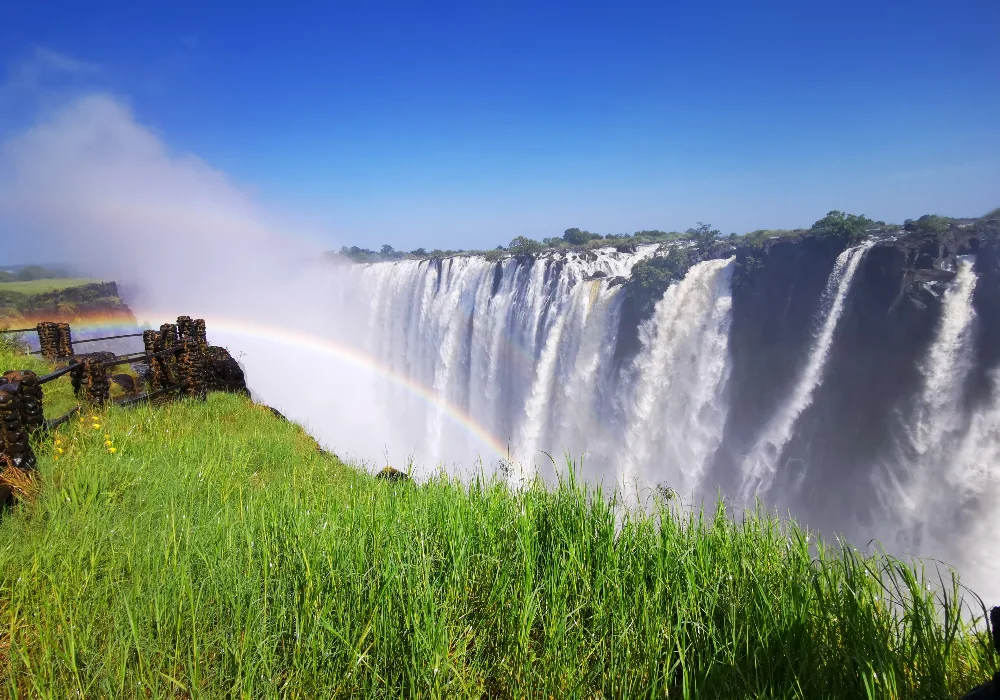
In tourist destinations such as the Victoria Falls, the airlines continue to fly in daily and unload guests from a myriad of countries and points of origin to this Hub of regional tourism. We recognise of course that certain agents, operators and travellers have concerns about visiting Zimbabwe as a result of travel advisories issued by some countries. On this topic, an industry delegation from JATA (Japanese Association of Travel Agents) visited Victoria Falls last weekend on a specific “look see” experience and have gone back determined to encourage their government to keep Victoria Falls in particular on the lowest possible level of travel advisory. In a similar vein, we hope to be able to influence local embassies and high commissions so that Victoria Falls is not included in increased travel warnings for the country at large. We once again reiterate that Victoria Falls remains one of the safest, calmest and most peaceful destinations on the planet. There is no sound reason not to visit, and indeed many good reasons why one should visit. GotoVictoriaFalls.com and all its members have always been, and will always be honest, frank and professional in our communications about the status and facts on the ground in Victoria Falls. We will always seek to be the first to advise, should it ever be necessary, against travel to Victoria Falls. We look forward to your continued support and remain sincerely appreciative of all your efforts on our behalf. Yours sincerely Ross Kennedy
With regards to our Antelope Park projects, all volunteers who arrived during the run-up to the elections faced no difficulties en route to their placement, and our projects continue to run in a manner of which we can all be proud, given the current economic situation that our country is faced with. We are immensely proud to be part of a nation of people of which the large majority hold their heads up in times of crisis, and welcome any queries that you might have.
For daily updates from one of our current Antelope Park lion rehabilitation project volunteers, read Kelly Swift's blog http://kellyswiftinafrica.blogspot.com/
"Today I had my first sunrise lion pride walk. Watching the sunrise over the African Bush was spectacular. The lions are quite talkative in the mornings. As we approach their enclose they begin to make what sounds like a combination of a continuous, subtle roar and a moan. You can’t help but want to try and mimic the sound back. They are happy to see the arrival of their human pride and begin rubbing up against the cage practically begging for our hands to touch them. We do. Once the gate is open, they cheerful come out to explore. The morning session began with the older cubs, 19 months......"
For any queries relating to our Zimbabwe projects please feel free to email Lesley Bredenkamp, our Destination Manager for Zimbabwe, on lesley@africanencounter.org
Sarah Graham
AFRICAN IMPACT
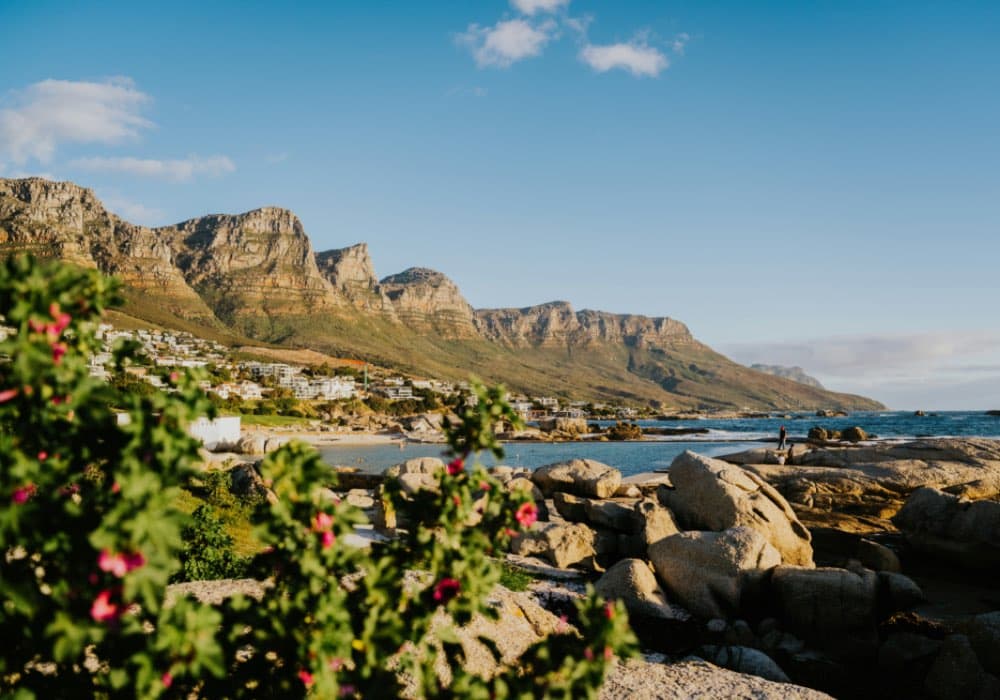
Interested in being a Volunteer in Cape Town? Here's what some of our most recent participants have to say
"Clearing the space behind Red Hill, building the fence, and installing the gate is something I will NEVER forget. The volunteers who were involved with that project and I are very proud of it. Teaching at Ukhanyo was also a highlight. Being able to connect with the student and really make and impact in their lives. It is an experience that I will be telling my kids about. Truly an enlightening experience. I also enjoyed teaching the adults at Masi how to use a computer. I only got to do this for two weeks at the beginning, but even to this day when I see the teachers they thank me for the lessons. Reading at the Library and Sports were also activities I enjoyed. Aside from project I enjoyed getting to know my fellow volunteers and the AI staff. They are a huge part of this experience" Justin Kreamer, Age 26, USA.
Volunteer Work with Big Cats
Inguun Saxrud from Norway takes time to tell us about her experience at African Imapct - Volunteer Work with Big Cats


Monday, March 17, 2008

Did you have any concerns before traveling to Africa?
Because of the political situation in Zimbabwe when I was bound to come, with the election results announced, there was a tense situation in Zimbabwe. So that was a bit worrying, but the news had blown it up worse than it was. I have not had any problems or feared for my safety whilst I have been here, the people of Zimbabwe seem very peaceful and they are very friendly.
What were some of the highlights of your placement with us?
Of course the Lions!!! Ah, I love Shumba!! :)
Working with Lions is just such a dream, and now it has come through!
Elephant and horse swim was excellent, I have learned to ride a horse when I was here.
I really loved being at the released lions site, seeing what it's all about, the first step to increase Lions in Africa. Loved to watch them and taking data on them.
And the Victoria Falls trip will be one to be remember!
I'll be back! ;)
Could you please explain your true feelings and thoughts about this Program?
I think this program has an excellent goal in increasing Lion populations in Africa. I have gained so much from volunteering here I can't even start to describe it!
Interested in other volunteer work with big cats? Click here to find out about opportunities to volunteer with cheetahs in South Africa.
Stuart Neath visits us in Mozambique


The whole experience was absolutely incredible. It was uplifting, rewarding, challenging, grounding, heart-braking and soul-destroying in equal measure. To see the absolutely joy on the faces of the children when we arrived to spend time with them, or their excitement at being given some new clothes, a piece of chocolate cake or the opportunity to do something creative, was incredible. To see someone's new home taking shape was fabulous.
To see how they accept what they have, are content with it and essentially happy with their lot was a major lesson for me, and certainly changed my perspective of my life and the things that I take for granted. It is one thing to see this scale of poverty and hardship on television (e.g. Comic Relief) , it is quite another to stand there holding a 6 year old boy who has cerebral palsy... lives in an environment totally unable to deal with his special needs, and yet is happy and excited about you being there to help and entertain him, even for just a few short hours per week. This is the reward. Moments like this make it one of the most amazing things I have ever done. This is why I WILL do it again and why I would encourage anyone who is thinking about doing this sort of thing to stop thinking about it, and go and to it.
My thanks to everyone who has offered support to African Impact and the Mozambique Community Project as a direct result of my involvement in it. I can tell you that your contribution will be extremely well used and it is very much appreciated. Thank you.
Stuart Neath
January 2008 Update from our Kenya Project
Hi Everyone
As you all know, things in Kenya have been really crazy since the elections, with a lot of counrtywide unrest. Due to this, the usual structure of our medical and community project was disrupted and our project involvement became limited to only the orphanages in Limuru.

Until last Sunday, things had been calm in Limuru, where our volunteer cottages are. Around lunch time we were faced with over a 1000 refugees at the nearby Tigoni police station and the Red Cross Centre in Limuru. The refugees had been displaced due to the political unrest. On Monday, we went to check out the situation and established that it would be safe for us to send our volunteers in to help at both places.
Monday morning we spent at the Red Cross Centre, sorting clothes and helping to dress those that had nothing, as well as cooking lunch for the 500 refugees, helping with registration etc. In the afternoon, we cooked rice for 800 (at least) refugees at the police station. They have spent most of their time this week at the police station opposite Brackenhurst, helping with the preparation and distribution of food (which is usually CRAZY!!), playing with young children, and helping out wherever else there is need.

This week, we have felt it most important for our volunteers to respond to this immediate crisis in our area, and they have been happy to do so and have done a wonderful job. We have been told that these refugees are expected to be there for at least the whole of the next week. However, we would like to give the medical volunteers the option of going to the hospital from next week again.
The situation in Kenya seems to have calmed down and we feel like it is safe to drive anywhere. There is still tension though, and we will not send the volunteers into the slums until this has completely settled down.
I hope that gives you all a good picture of our situation. You can be very proud of the vols here. They have really come together to help the people in need and have done a great job!!!
Hope you are all well!!
From Tesni
(Kenya Project Manager)
Monday, December 3, 2007
As you all know, things in Kenya have been really crazy since the elections, with a lot of counrtywide unrest. Due to this, the usual structure of our medical and community project was disrupted and our project involvement became limited to only the orphanages in Limuru.

Until last Sunday, things had been calm in Limuru, where our volunteer cottages are. Around lunch time we were faced with over a 1000 refugees at the nearby Tigoni police station and the Red Cross Centre in Limuru. The refugees had been displaced due to the political unrest. On Monday, we went to check out the situation and established that it would be safe for us to send our volunteers in to help at both places.
Monday morning we spent at the Red Cross Centre, sorting clothes and helping to dress those that had nothing, as well as cooking lunch for the 500 refugees, helping with registration etc. In the afternoon, we cooked rice for 800 (at least) refugees at the police station. They have spent most of their time this week at the police station opposite Brackenhurst, helping with the preparation and distribution of food (which is usually CRAZY!!), playing with young children, and helping out wherever else there is need.

This week, we have felt it most important for our volunteers to respond to this immediate crisis in our area, and they have been happy to do so and have done a wonderful job. We have been told that these refugees are expected to be there for at least the whole of the next week. However, we would like to give the medical volunteers the option of going to the hospital from next week again.
The situation in Kenya seems to have calmed down and we feel like it is safe to drive anywhere. There is still tension though, and we will not send the volunteers into the slums until this has completely settled down.
I hope that gives you all a good picture of our situation. You can be very proud of the vols here. They have really come together to help the people in need and have done a great job!!!
Hope you are all well!!
From Tesni
(Kenya Project Manager)
The Independent Newspaper reports on our Lion Release Programme
Sir Ranulph Fiennes at the release site
Phyre, Kenge and Ashanti explore their new surroundingsThe Independent, known as the Indie is a UK national daily newspaper with a readership of around 250,000 per day.
Here is their report on our lion rehabilitation programme from last week...
Walking with lions: How captive-bred animals can be returned to the wild
Swallowing his fear, Richard Grant braves a very close encounter with big cats
Published: 29 November 2007
It seems dreamlike, impossible. Armed with a stick and a few instructions ("Be relaxed, stand your ground, never show fear or panic...") I'm walking through the African bush with four young lions. Shoulders rolling, tails low, they look so menacing and magnificent, and so utterly capable of turning me into lunch.
This fear cannot be allowed into my mind. It will show in my body language and the lions will see it. They were born in captivity, reared by their handlers to think of humans as the dominant members of their pride. But they are opportunistic carnivores, and have an unerring ability to detect weakness and single out the easy target in a herd or group.
Two lions bound ahead, wrestling each other. Walking towards them, entranced by their play, I lose track of the dominant female as she drifts off then circles back. "Watch your back!" one of the handlers, Marvin, calls out. I turn. The lion is stalking me, head lowered, with that predatory look that the handlers call "cheeky".
I stand my ground and say, "No!" while Marvin distracts her. The look goes out of her eyes and she comes past me at a slow, nonchalant amble before flopping on the ground. "Has anyone ever been hurt doing this?" I ask. "Just the occasional scratch," replies Marvin. "You can pet her if you like." Following his instructions, I approach from the tail end, talking to the lion in firm but soothing tones, and start rubbing her vigorously on the back and sides. You don't stroke a lion gently. Their skin is eight times thicker than ours and a light touch can be annoying, like a fly on human skin. When she turns to play-bite my hand, I scratch on the ground with the stick to distract her. I give her belly a good rub and she stretches out, making a contented groan.
There are two places in Africa where you can walk with lions and both are in Zimbabwe, a country with the world's highest inflation rate, 80 per cent unemployment, and severe shortages of food and fuel under Robert Mugabe's controversial rule. I had misgivings about going there, but I didn't get so much as a hostile glance and I felt glad to be supporting the tourist industry and the Zimbabwe-based African Lion and Environmental Research Trust (Alert).
Alert is a non-profit organisation which arranges the lion walks and it is championed by such supporters as Sir Ranulph Fiennes. It also works tirelessly for lion conservation, employing local people in the process.
Since 1975, African lion populations have declined faster than any other species on the continent. Illegal hunting, loss of habitat and disease have been the main factors. A 2004 report by the African Lion Working Group puts the lion population on the continent as low as 16,500 and decreasing, with many living in isolated, inbred and doomed populations.
Alert's main aim is to breed lions then release them into the wild. This was the idea of its founder, a Zimbabwean called Andrew Conolly, who inherited some lions and motherless cubs when he bought the Antelope Park game preserve near Gweru in the Zimbabwe midlands, 20 years ago. With his wife, Wendy, he started walking the cubs in the bush.
"It was amazing to see their hunting instincts develop," Conolly says. "It wasn't something they needed to be taught. All they needed was the opportunity."
Andrew is missing his left arm. It happened when he was still learning about lions and long before he founded Alert. One night he went down to his lion enclosure, acted "overly familiar" with them and was probably lucky to lose just his arm. However, he still loves them for the indomitable predators they are. If anything, it strengthened his determination to work for their future. But he knew it wouldn't be easy.
Others had previously tried introducing captive-bred lions to the wild, almost always failing. The reasons were fourfold: individuals were released instead of prides; they weren't given the time and opportunity to hone their hunting skills; they were too habituated to humans; and they had no experience of competing with species such as hyenas.
Alert, in conjunction with a team of scientists, has come up with a four-stage programme to help to rectify these issues. During stage one, the cubs are taken from their mothers at three weeks. This may sound cruel, but mother lions are used to losing cubs, mainly because incoming males often kill all young under the age of one when they take over a pride, to bring the females into heat. Both in the wild and in captivity, these mother lions return to normal social activity within a few hours of losing their offspring.
After removing the cubs, Alert staffers bottle-feed and play with them, introducing them to meat, providing affection and discipline, and, at six weeks, beginning a regime of walks. It's during this period that tourists can help to walk the lions, their $100 fee helping to fund the programme.
For me, walking with the cubs during this phase one stage started to feel familiar and comfortable. I learnt that the lions are lazy. Sometimes you'll only get 20 paces before they flop down. We may associate lions with courage but the cubs are afraid of water, heights, shadows and most living things that move. The main reason for the walking programme is to build their confidence in the bush and to allow their hunting skills to develop. They practise on each other and sometimes on you, laying ambushes and sometimes bounding towards you in a kind of play-charge, at which point you have to raise your arms, say, "NO!"
Like domestic cats, they are much better at climbing up trees than climbing down. They hate being pinched the back of the thigh. Their tongues are astonishingly abrasive, designed to scrape animal flesh from bone.
As the cubs grow older, human contact is reduced to a minimum; instead, the lions are let out at night to hunt. By the age of two, they are killing nearly all their food, operating as a pride, and are ready for stage-two release. This involves transferring a pride into a semi-wild ecosystem of no less than 500 acres; the lions are expected to sustain themselves by hunting. Then they'll be moved into a wilder stage-three area inhabited by hyenas, where they are removed from all human contact. It's the cubs born during this stage – reared by a pride in the wild, with all their natural fear and wariness of humans intact – which can then, it is hoped, undergo a stage-four release into national parks and other protected wild areas.
Until I arrived, the Alert programme had not yet progressed past stage one, but eight other African countries had expressed interest in replenishing their lion populations this way. So it is on a hot sunny morning that I join about 80 people at the game reserve near Turk Mine, Zimbabwe, to watch the first stage-two release of lions into the fenced semi-wild ecosystem. Emotions are running high. "This has never been done," Andrew tells me. "No one has ever released a captive-born pride into the wild before."
"They look ready," says David Youldon, chief operating officer of Alert. The seven lions, five females and two males, pace their enclosure. The big male, Maxwell, has been in a fight with Phyre, an aggressive female, and both lions bear wounds on their faces. "Not so good for the cameras but normal," David tells us. "It's a hard, violent life being a lion." Sir Ranulph Fiennes, there to lend support, pulls back the gate's release bar and the seven lions pad out into their new 1,000-acre world. The crowd wishes the lions good hunting. Two tough-looking male handlers sob.
Three days later, the news is not good. Phyre and Maxwell are still fighting and the pride hasn't made a kill. It's been a week since they've eaten. Then on day four, the lions bring down an eland, and it seems from all the blood on her face that Phyre did most of the killing. "My baby!" says David, emotionally. "I'm so proud of her it's ridiculous." Two days later they bring down a warthog. The lions are doing as well in their new surroundings as anyone had dared hope. Perhaps the future of the African lion is not as fragile as it seems, after all.
Lion walks are available at Masuwe Safari Lodge (www.lionencounter.com) and Antelope Park (www.antelopepark. co.zw). For more information and to make a donation, contact alert@africanencounter.org A version of this article appears in the December edition of High Life, the British Airways magazine
Feedback from Ania Perez, Mozambique Community Project


Ania Perez, age 29, from Spain
Q: Did you feel your orientation was effective? If not please explain why and feel free to put forward any suggestions that you may have.
A: There was fully effective orientation on arrival and I’ve had all the information needed during my whole stay, perfect!
Q: What were some of the highlights of your placement with us?
A: Vilanculos itself, being in touch with local people and local staff everyday, having the chance to be here at the beginning of the school project, being able to build something with my own hands, the camp… All of it!
Q:How has living in Africa for this period influenced your perspectives and outlook on life?
A: I’ve loved this town and this part of Africa. It has been a completely enriching experience in all senses. I will certainly keep trying to visit more places down this side of the world. And I am much more patient now.