Join one of our rewarding conservation volunteer opportunities in Africa! Home to some of the most magnificent wildlife and natural ecosystems on the planet, much of the natural beauty on this large continent is vulnerable, defenseless, or even critically endangered in the wild. To ensure the future of Africa’s wildlife and landscapes, we must take action now to protect species threatened with extinction. From stunning landscapes to unparalleled wildlife, Africa is a truly magical destination for any traveler who is passionate about the environment, wildlife and conservation efforts. Contributing to conservation and preservation of natural ecosystems offers you nothing short of an incredible experience that lasts a lifetime.
Conservation Volunteer Program Highlights
Protect African Wildlife — Contribute to the protection of African wildlife through research, ecosystem restoration, or rescue and rehabilitation projects.
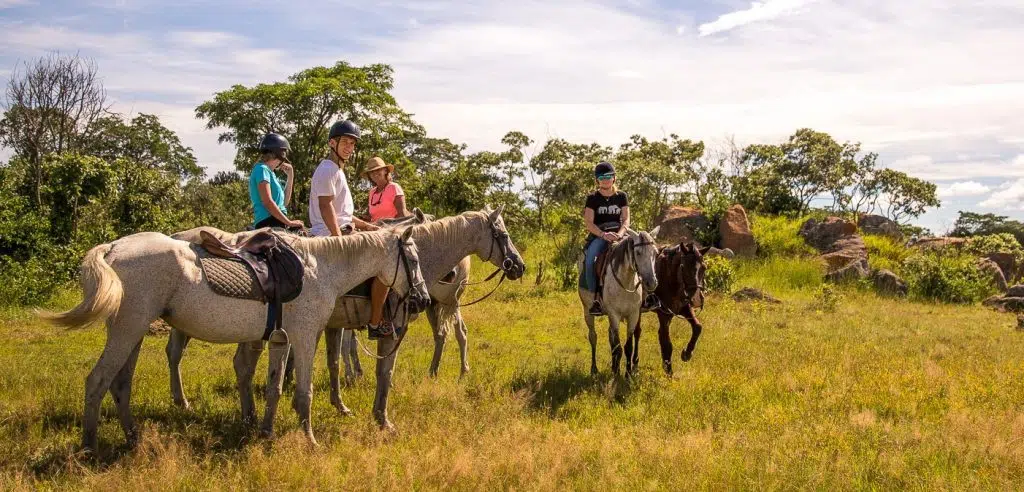
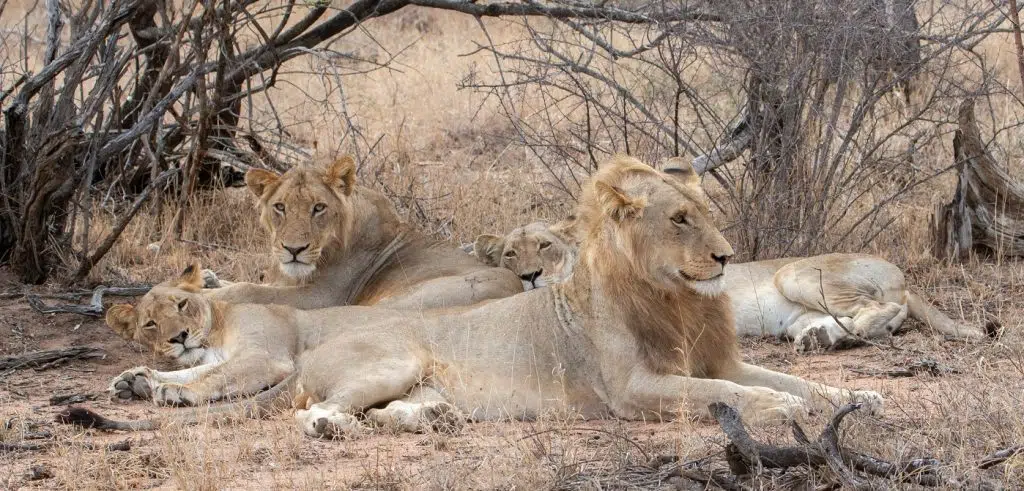
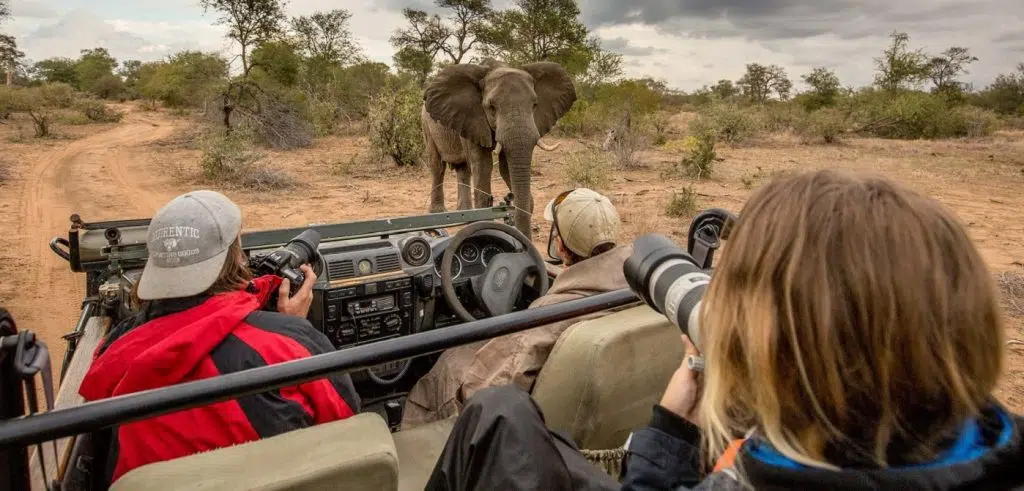
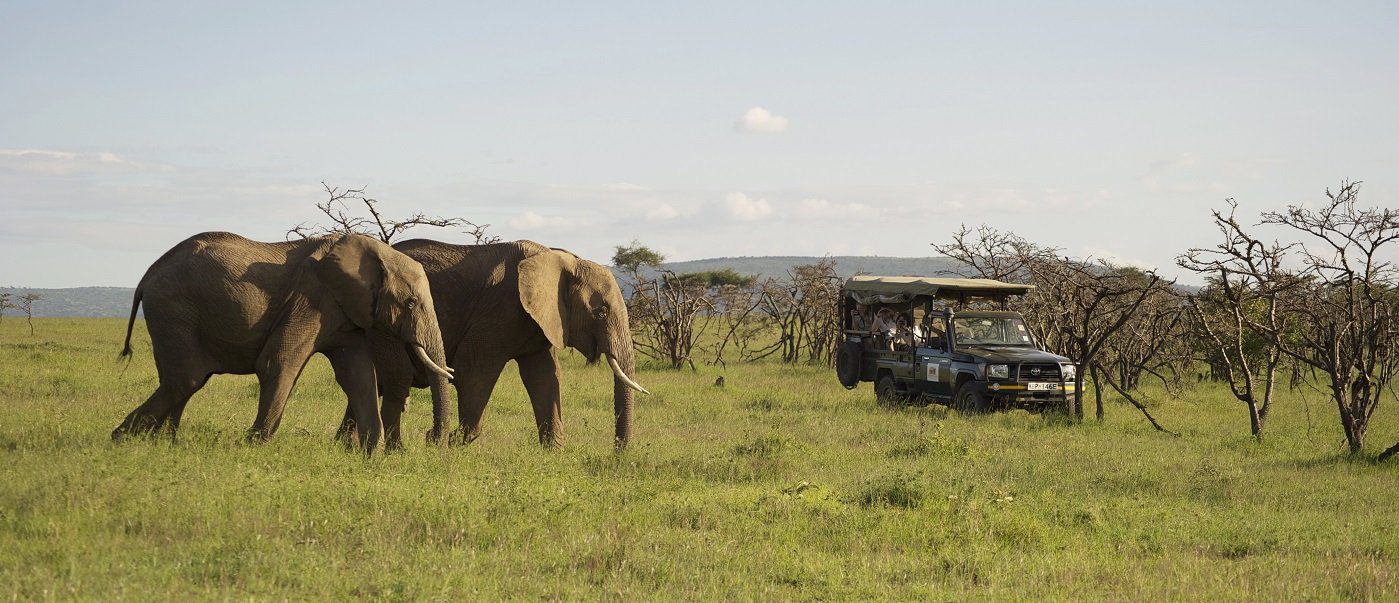
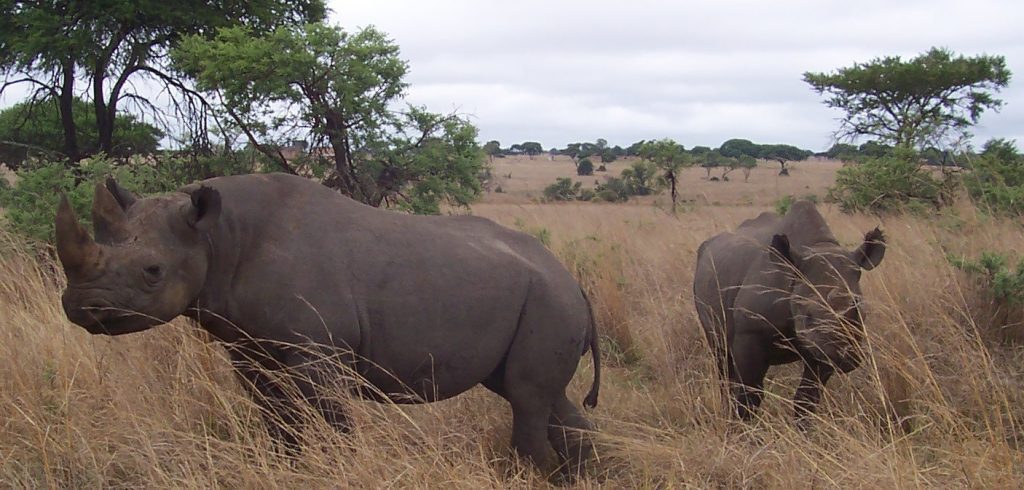
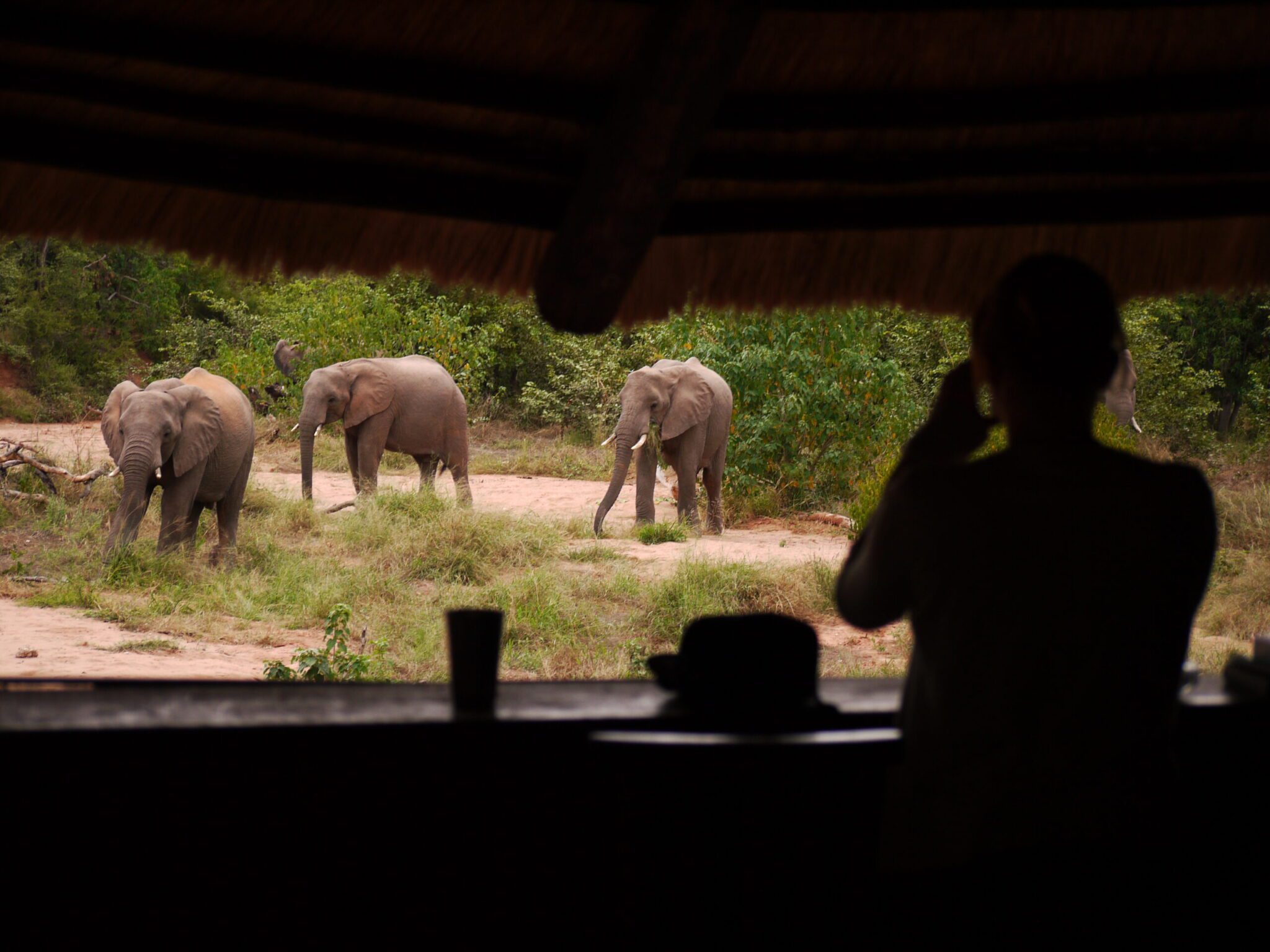
Walk The Trail — Experience the unique opportunity of being in the African bush, surrounded by animals such as lions, elephants, buffalos, rhinos, and leopards.
Personal Development — Choose the program that’s right for you, and rest assured you’ll have plenty of skills gained from volunteering in conservation.
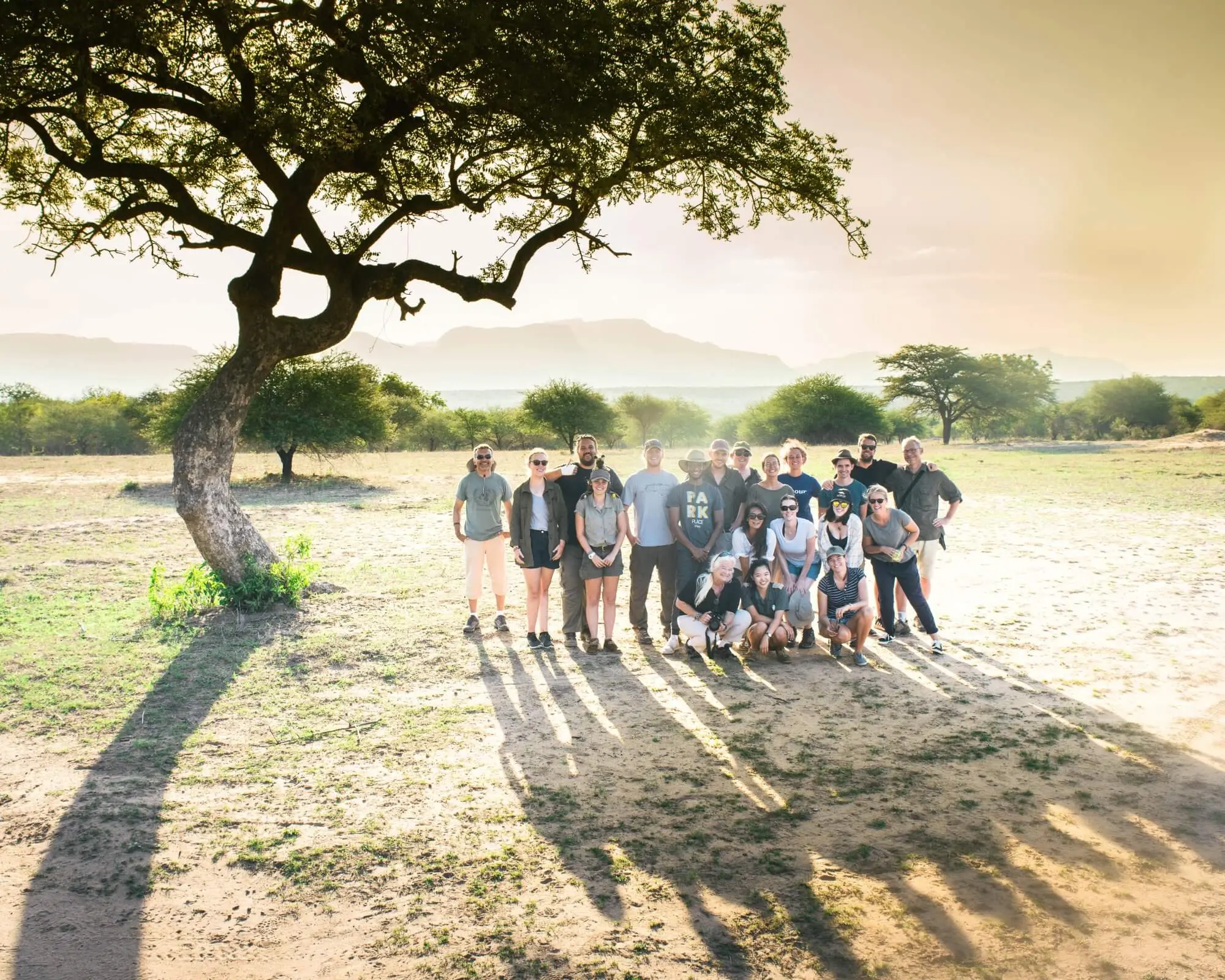
Team Networking — Enjoy the support of experts within the team; follow guidance from guides, researchers, conservationists, and project managers.
Close Encounters — Get up close with incredible animals on a daily basis, and call this a day’s work.
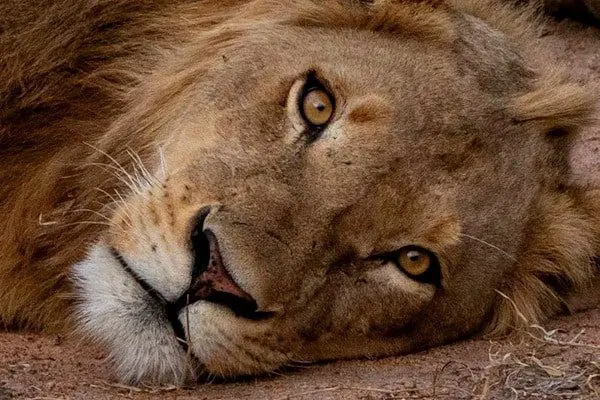
You will get up close with iconic African wildlife and be fully engaged in wildlife conservation efforts to protect vulnerable and endangered animals in
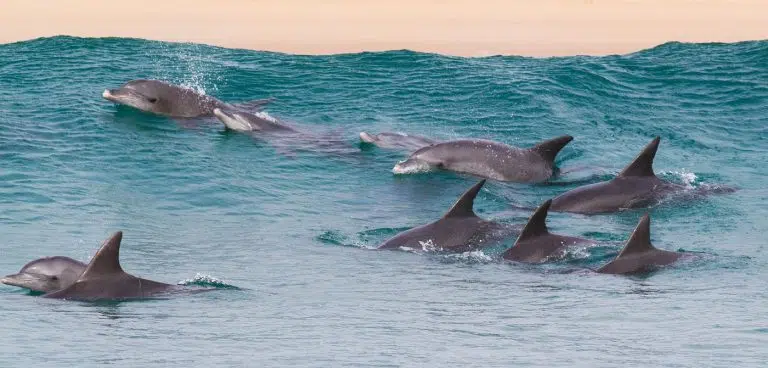
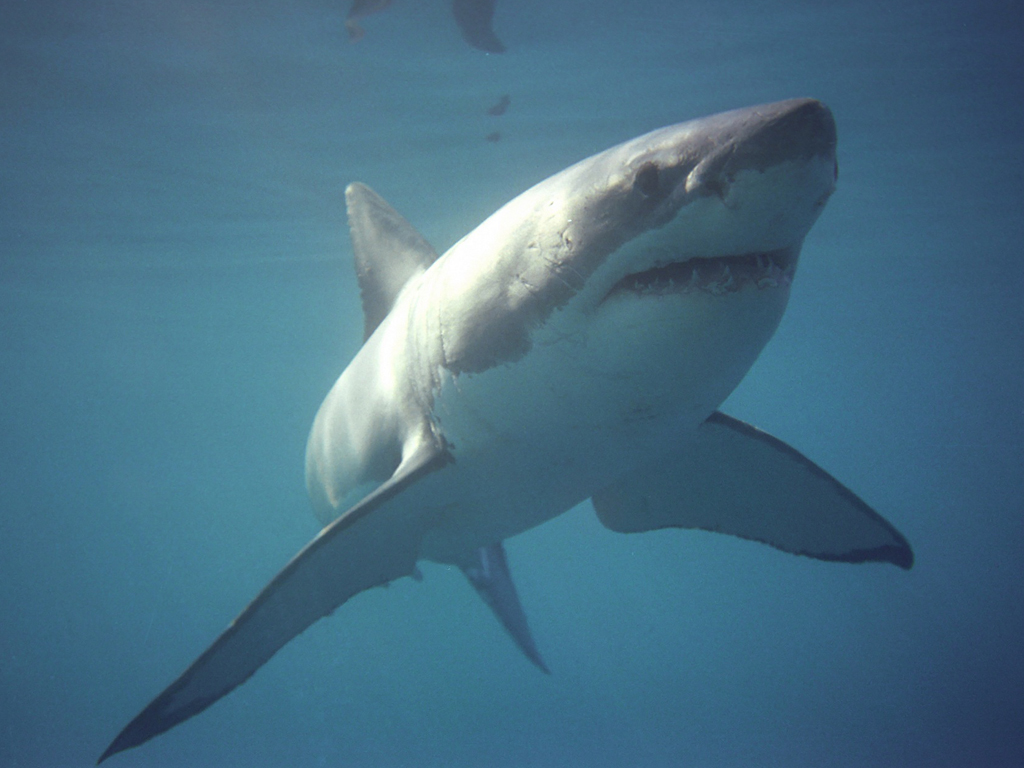
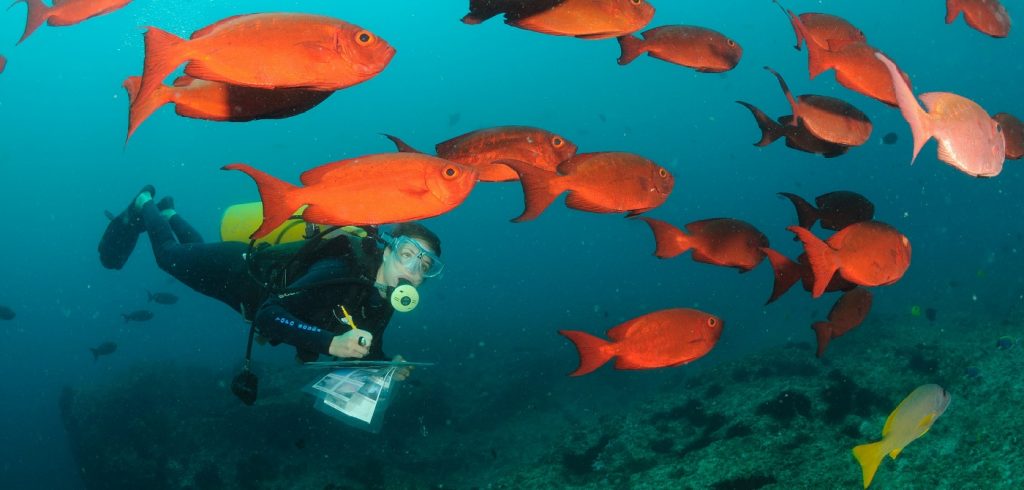
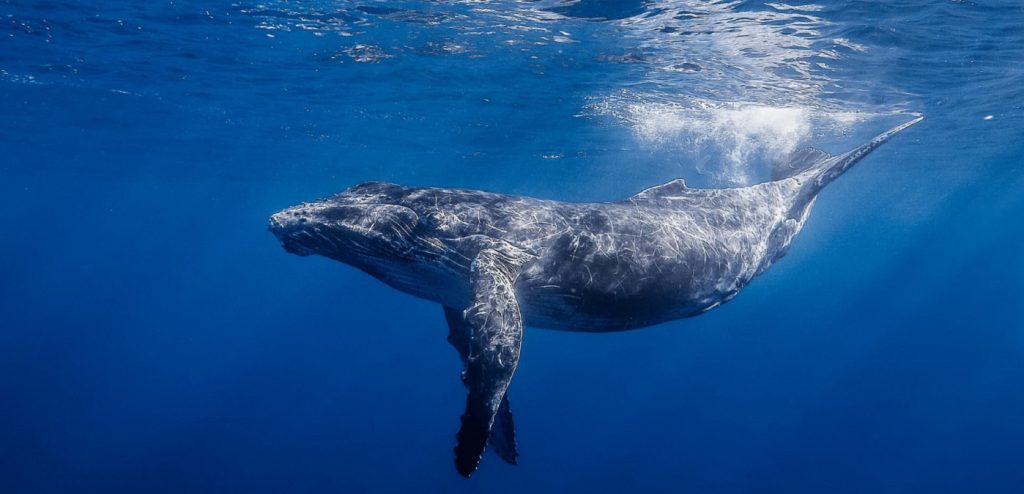
Are you looking for an ocean adventure with a purposeful twist? Fancy swimming with dolphins, mapping out colourful reefs, or studying great white sharks,
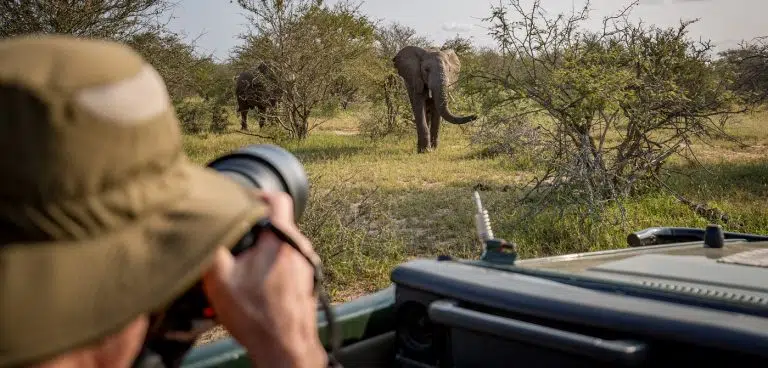
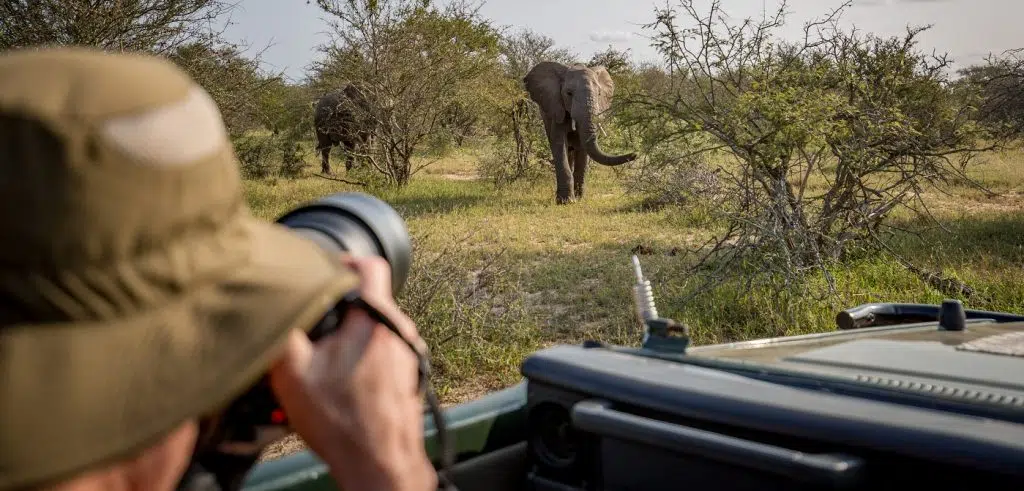
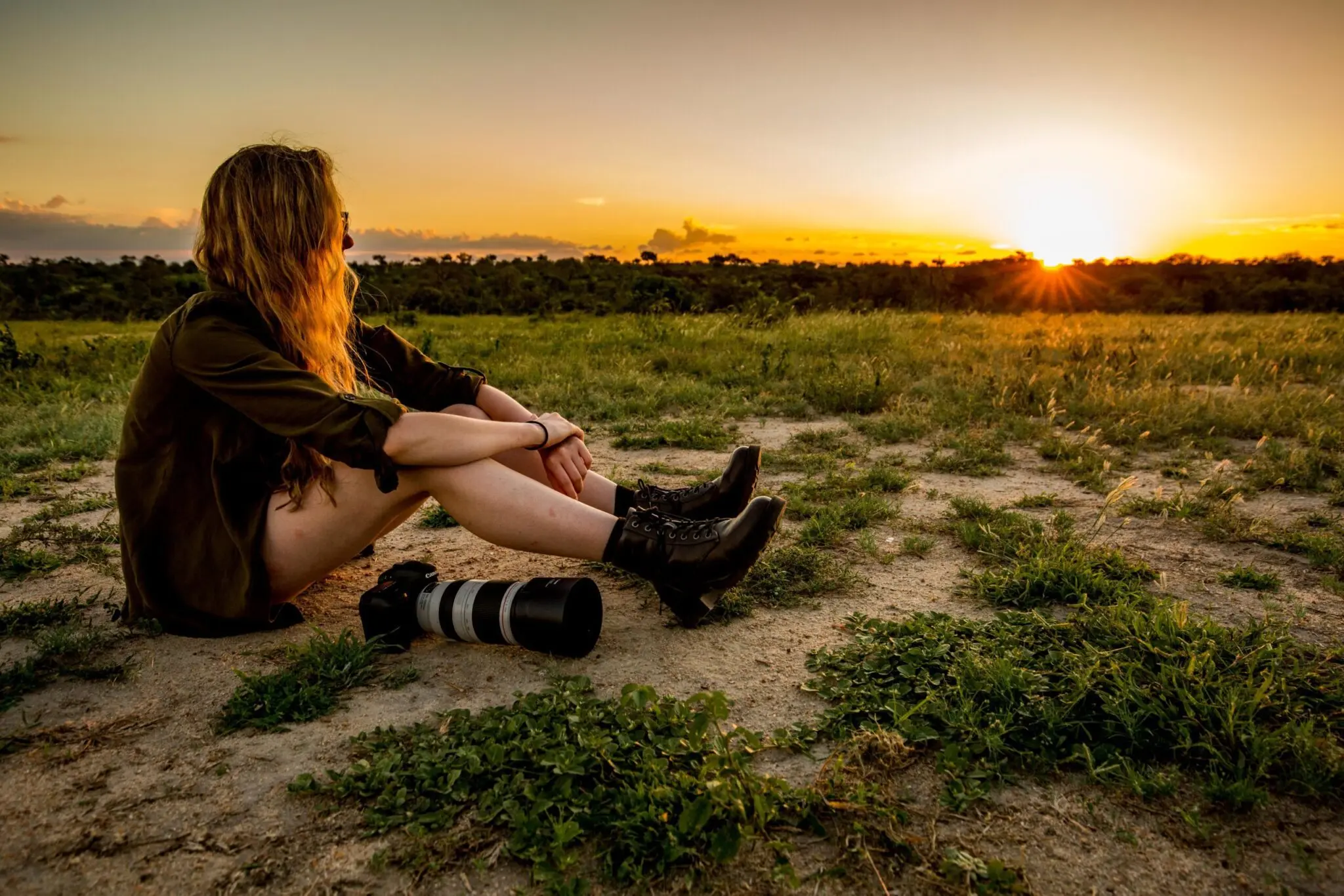
Our wildlife photography projects offer established and aspiring wildlife photographers the great wild plains of Africa as their playground to improve their skills and
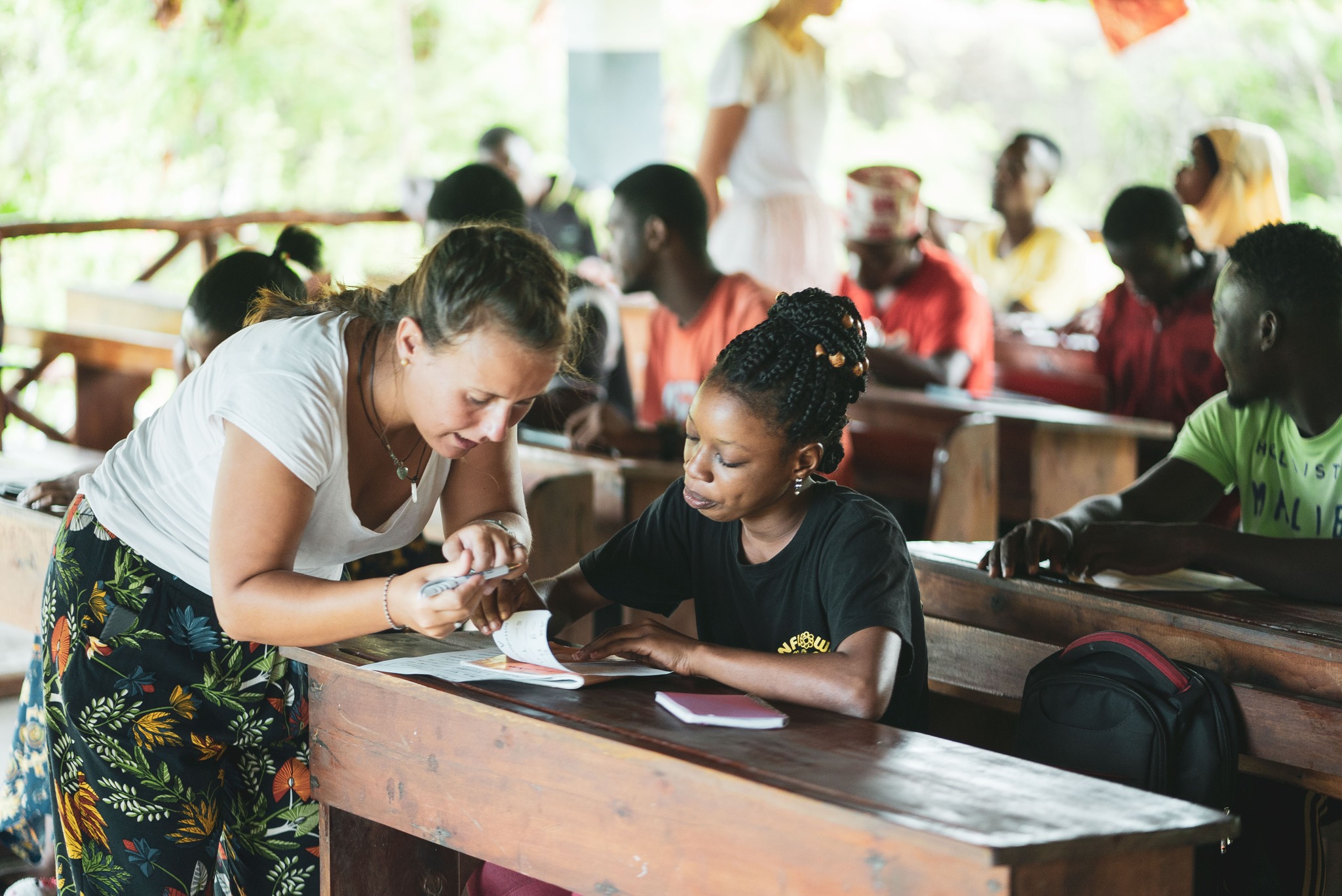
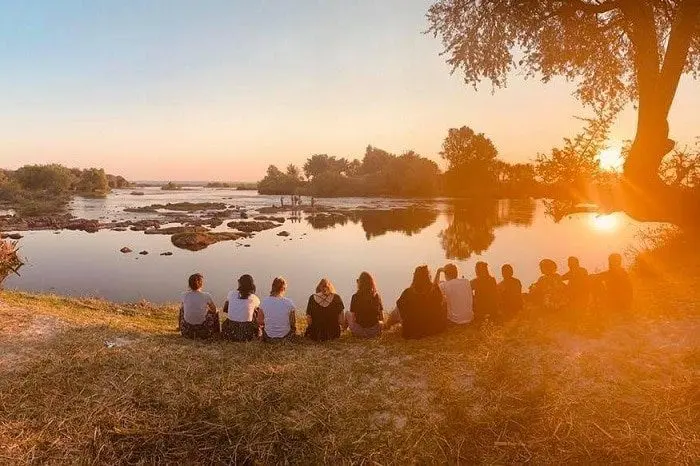
Whether you’re interested in wildlife conservation, wildlife photography, or animal care, all of our volunteer projects involve collaborating with local communities where life-changing cultural exchanges and real conservation efforts take place. Volunteering with fellow conservation volunteers, community members, and our local staff is a beautiful experience. As an African Impact volunteer, you can spend your time doing everything from night drives through the Greater Kruger Area to scuba dives in Zanzibar’s stunning blue waters.
Join our research team in the Greater Kruger Area, in South Africa, and gain professional experience in a conservation-driven research initiative and wildlife internship.
Join African Impact and volunteer on a wildlife photography project in South Africa! Document and track some of Africa’s most incredible creatures in the wild.
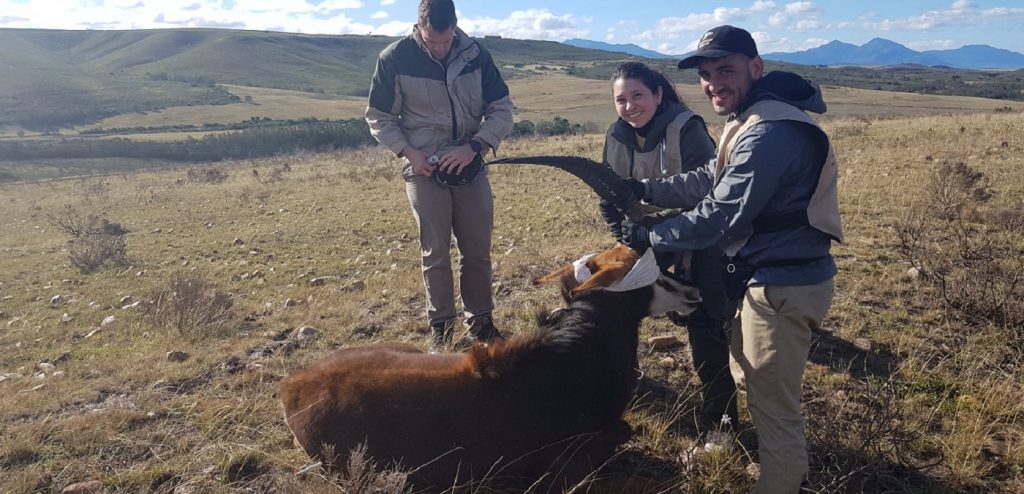
Join our Wildlife Veterinary Assistance volunteer project in South Africa, and get hands-on, incomparable experience in all facets of wildlife capture and wildlife veterinary procedures, situated on the beautiful Garden
Scuba dive in Mozambique and get hands-on experience in world-class field research on a marine volunteer project designed and created by leading whale shark and manta ray scientists.
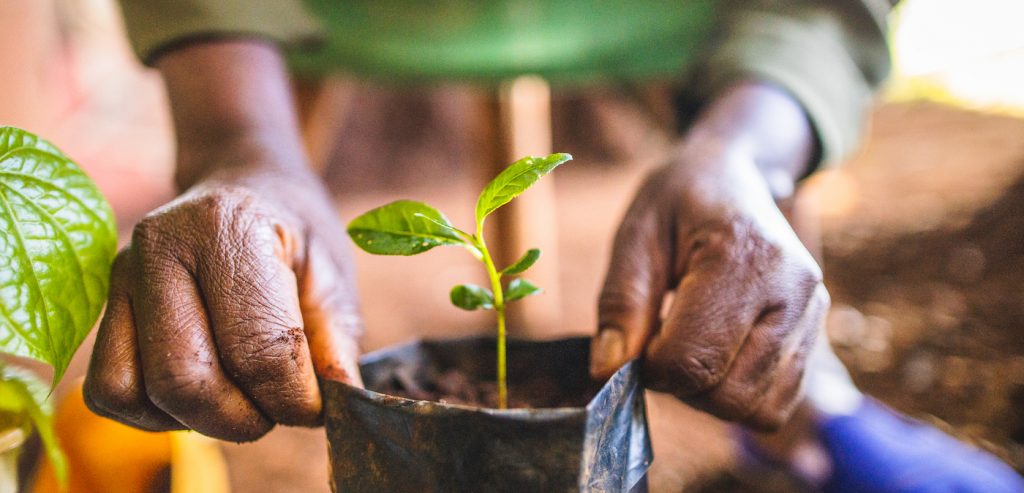
Join African Impact and volunteer on a reforestation project in Kenya! Support the conservation of indigenous forests and other sustainability practices.
Join African Impact and volunteer on a wildlife conservation project in South Africa! Protect the African big 5 from threats such as poaching and habitat loss.
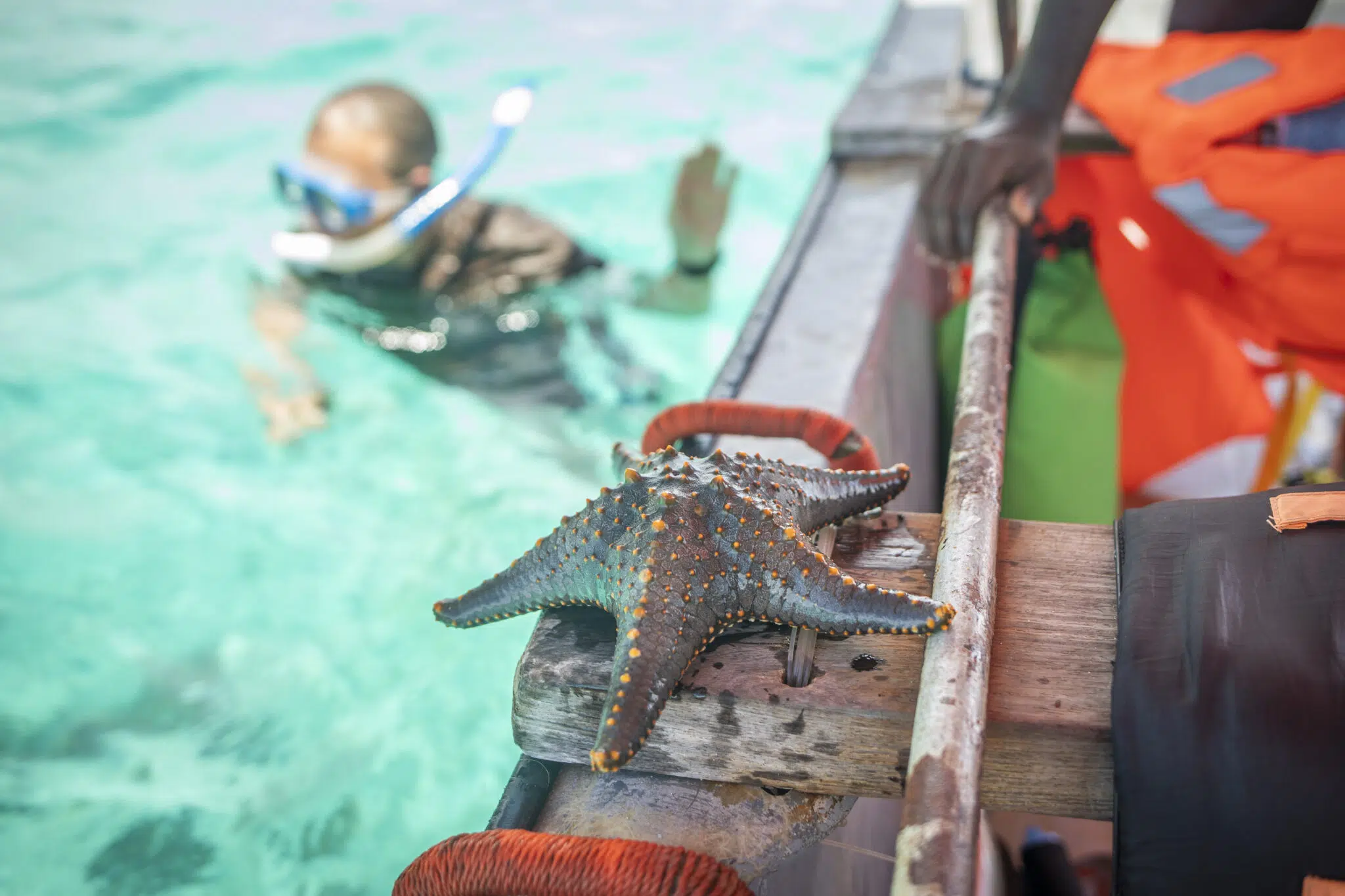
Live the tropical island dream whilst helping conduct dolphin research and carrying out coral reef surveys – a chance to make a lasting impact on the survival of a fragile
Guided and tutored by a professional photographer, gain practical experience in wildlife photography while contributing to the conservation of South Africa’s wildlife.
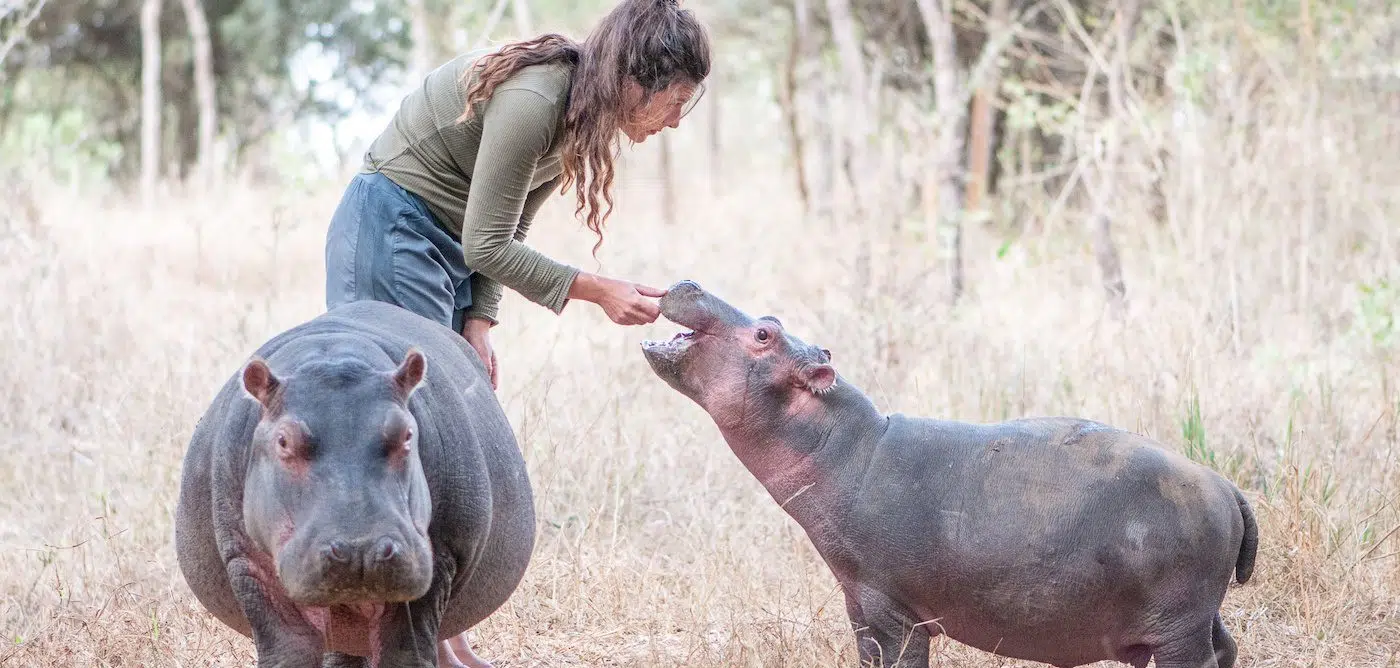
Join African Impact and volunteer on a wildlife rehabilitation project in South Africa! Care for rescued animals that have been injured, neglected, or lost.
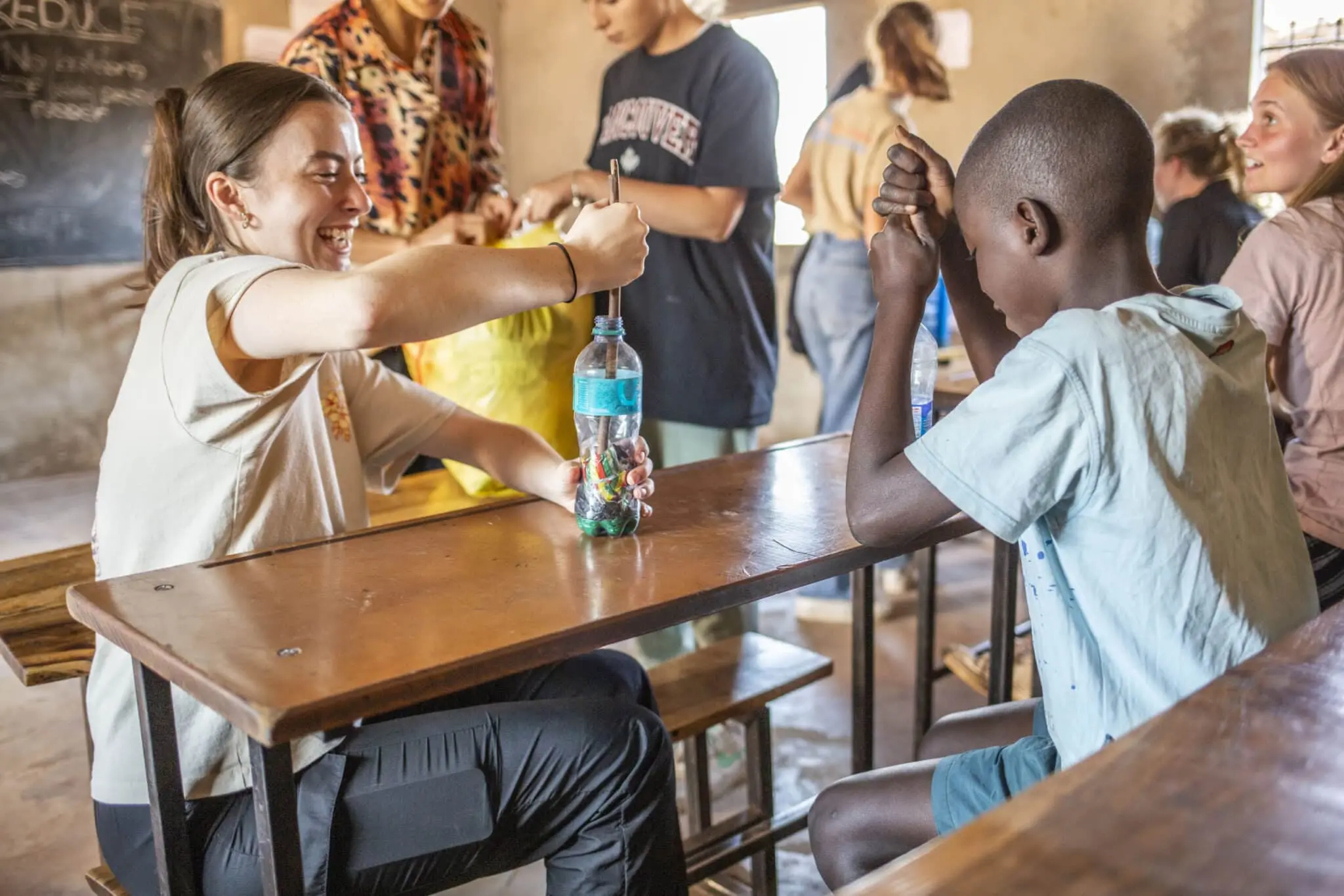
Join African Impact and volunteer on a plastic waste reduction project in Zambia! Help support the fight against plastic pollution in local communities.
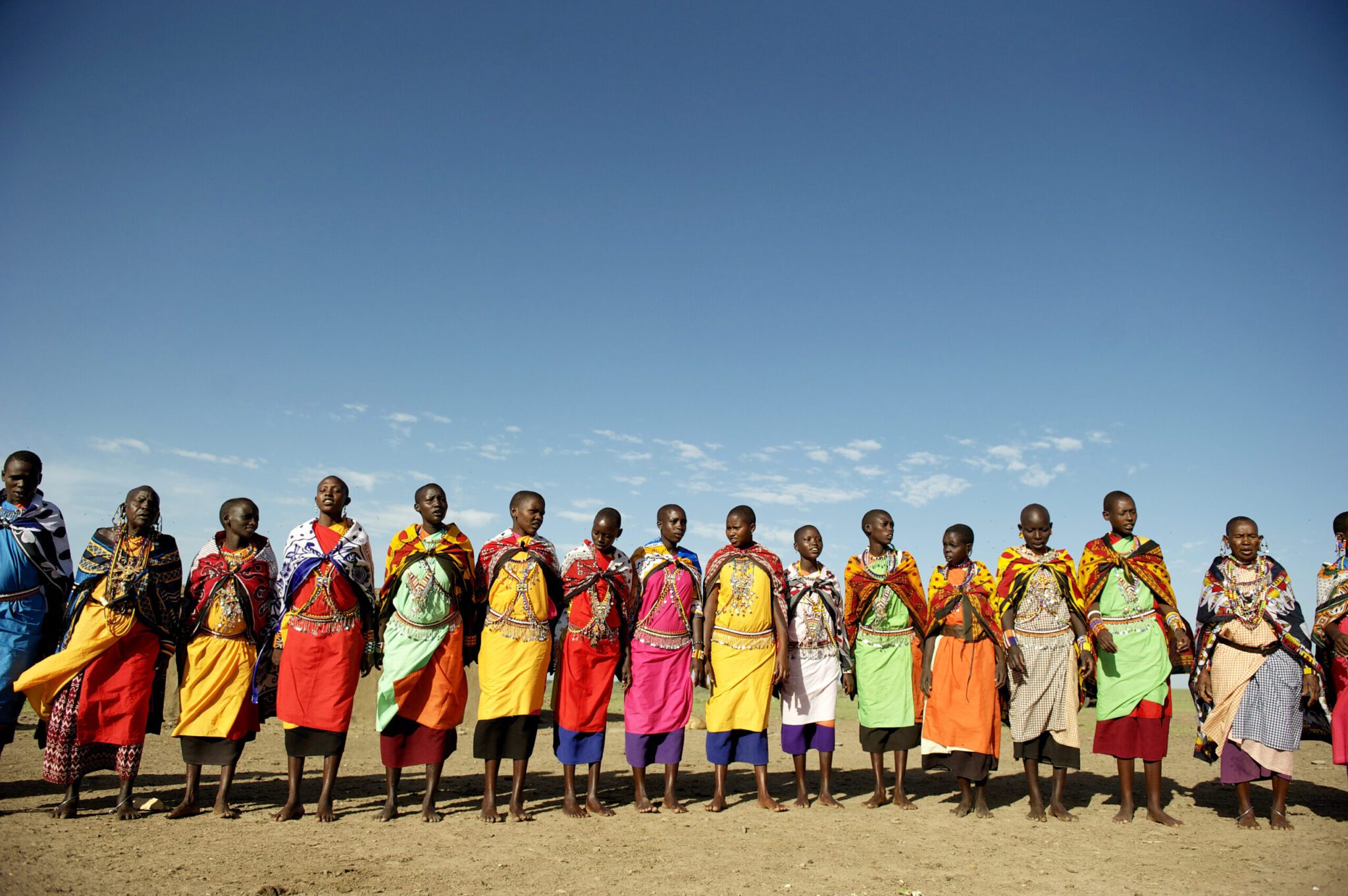
From South Africa to Kenya, the cultural roots in Africa run deep. There’s an amazing amount to learn if you are open and respectful to these values and beliefs while volunteering. Additionally, life in many African countries moves at a slower pace, it’s a great chance to unwind and experience a different pace of life.
Language
African nations boast over 2000 different languages, each with its own local dialects. This can seem daunting, but it’s all part of the experience. Embrace the unfamiliar and challenge yourself to communicate in new ways. Who knows, you might even learn a new language or a few phrases!
Location
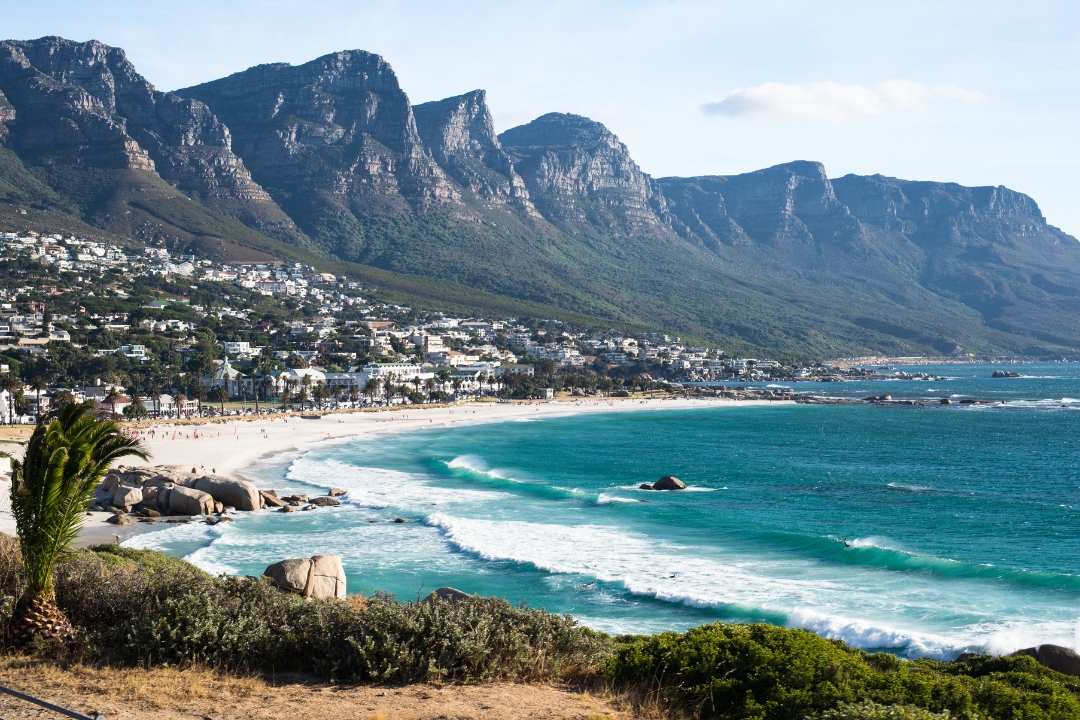
From its rolling hills and verdant forests to its sun-kissed beaches and crystal-clear waters, the continent is a feast for the eyes. A visit to Africa is a chance to experience nature at its finest. The breathtaking beauty of Africa’s landscape is sure to leave a lasting impression. Our volunteer projects in Africa will give you the opportunity to immerse yourself in traditional life and witness a side of Africa that few get to see.
Weather & Climate
The weather patterns in Africa are diverse, from the hot and dry climate to the wet and humid equatorial regions. In coastal areas, the average temperatures remain warm throughout the year, while the interior experiences wide temperature variations, with hot summers and cool winters. The unique weather patterns and diverse landscapes of Africa offer something for every traveler.
Wildlife
The continent’s various ecosystems, ranging from savannas and deserts to wetlands and forests, provide habitats for a vast array of species, making it a prime destination for wildlife lovers and nature enthusiasts. African wildlife is renowned for its incredible diversity and abundance of species. A visit to Africa promises unforgettable experiences and encounters with some of the most awe-inspiring animals on the planet.
Free Time & Adventure Activities
You will work hard as a volunteer, but there will also be time to play hard. You will have your evenings and weekends free to explore all Africa has to offer and there’s no shortage of adventure on this continent! You might join a cultural tour, safari in nearby game reserves, visit historical landmarks, bungee jump over Victoria Falls, abseil down the side of Table Mountain or snorkel in Zanzibar’s coral reefs. Our project teams on the ground will help you book tours upon your arrival, so you can experience it all with your fellow volunteers. There’s so much to experience in Africa – and we can’t wait to share it with you!
Conservation Volunteering FAQs
Why Volunteer in Conservation Work with African Impact
Africa is home to some of the most stunning wildlife and natural landscapes on the planet. We believe that an African conservation experience is one of the best ways to experience everything our continent offers. Known to be full with a beautiful array of natural wonders and wildlife, from big cats to stunning marine life, there are no shortages of incredible wildlife encounters to be had in Africa’s unmatched parks.
For more than a decade, African Impact has been committed to running volunteer projects that create sustainable and long-term impacts in the communities we work in. In 2018 alone, our volunteers and staff contributed to a range of beneficial conservation efforts, including: removing 87 snares in the Greater Kruger Area, taking 9,636 photographs for ID kits to track and monitor animals, and ethically training 15 new boat drivers, among many other achievements.
Why is Conservation Volunteering Important?
Vulnerable, endangered and critically endangered species in Africa are all at high risk of extinction in the wild. Unfortunately, the majority of these animals are native to Africa, and they include wildlife such as the African Elephant, Great White Shark, African Wild Dog, Sea Turtles, and the Black Rhino. You can support the protection of animals in Africa by getting involved in conservation efforts as a volunteer with African Impact!
Why Are Volunteers Important to an Organization Like Us?
ning a conservation volunteer program is one of the best ways to get involved in protecting Africa’s precious ecosystems. All conservation projects at African Impact are committed to making sustainable and long-term impacts on local communities and wildlife. No matter how long you join us, the skills you learn from volunteering on a project will benefit you for a lifetime, and your time will impact conservation efforts in powerful ways thanks to our focus on sustainability.
What Are the Benefits of African Conservation Volunteering?
The benefits of African conservation volunteering are exponential. This impact-driven adventure will transform you, the volunteer! When you give your time in Africa, you will receive so much in return. Not to mention, if you join conservation opportunities abroad, that means you’ll explore some of Africa’s most beautiful national parks.
We offer conservation volunteer opportunities in multiple countries across Africa. Have a look through our list of program options above, and choose from a selection of destinations that emphasize the value of volunteering in conservation.
How to Get Involved in Conservation Volunteer Work?