Contribute to the vital work of preserving our planet’s natural wonders through our diverse conservation projects in Africa. Whether you’re passionate about protecting endangered wildlife, safeguarding marine ecosystems, restoring forests, or capturing nature’s beauty through photography, we have a volunteer opportunity tailored for you. Join us in making a tangible impact on the environment while gaining invaluable hands-on experience in conservation efforts that shape our world’s future.
Browse Our Conservation Volunteer Projects

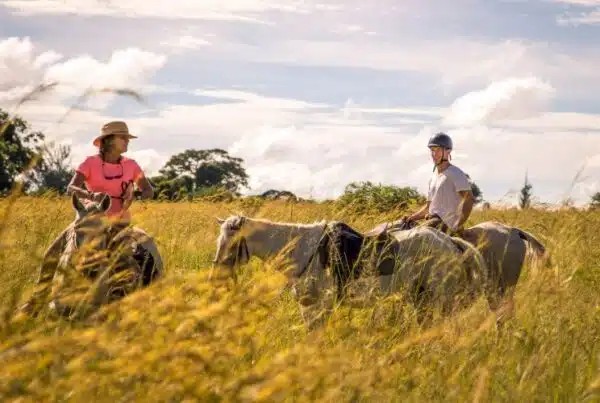


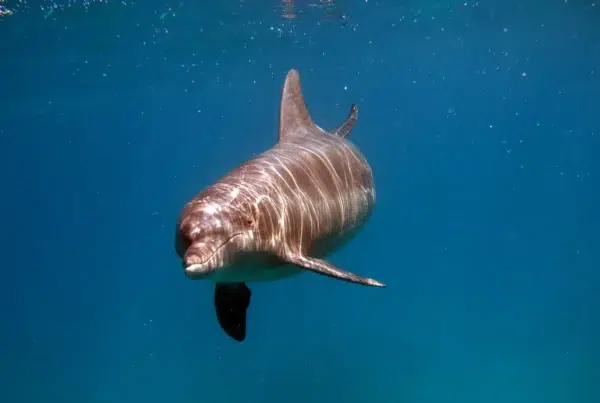


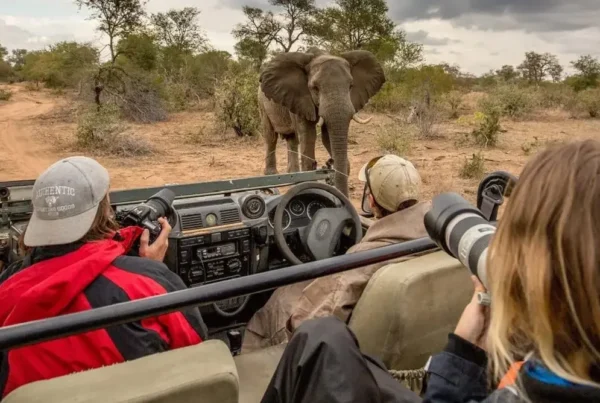

Why Volunteer On Conservation Projects With African Impact?
HANDS-ON EXPERIENCE
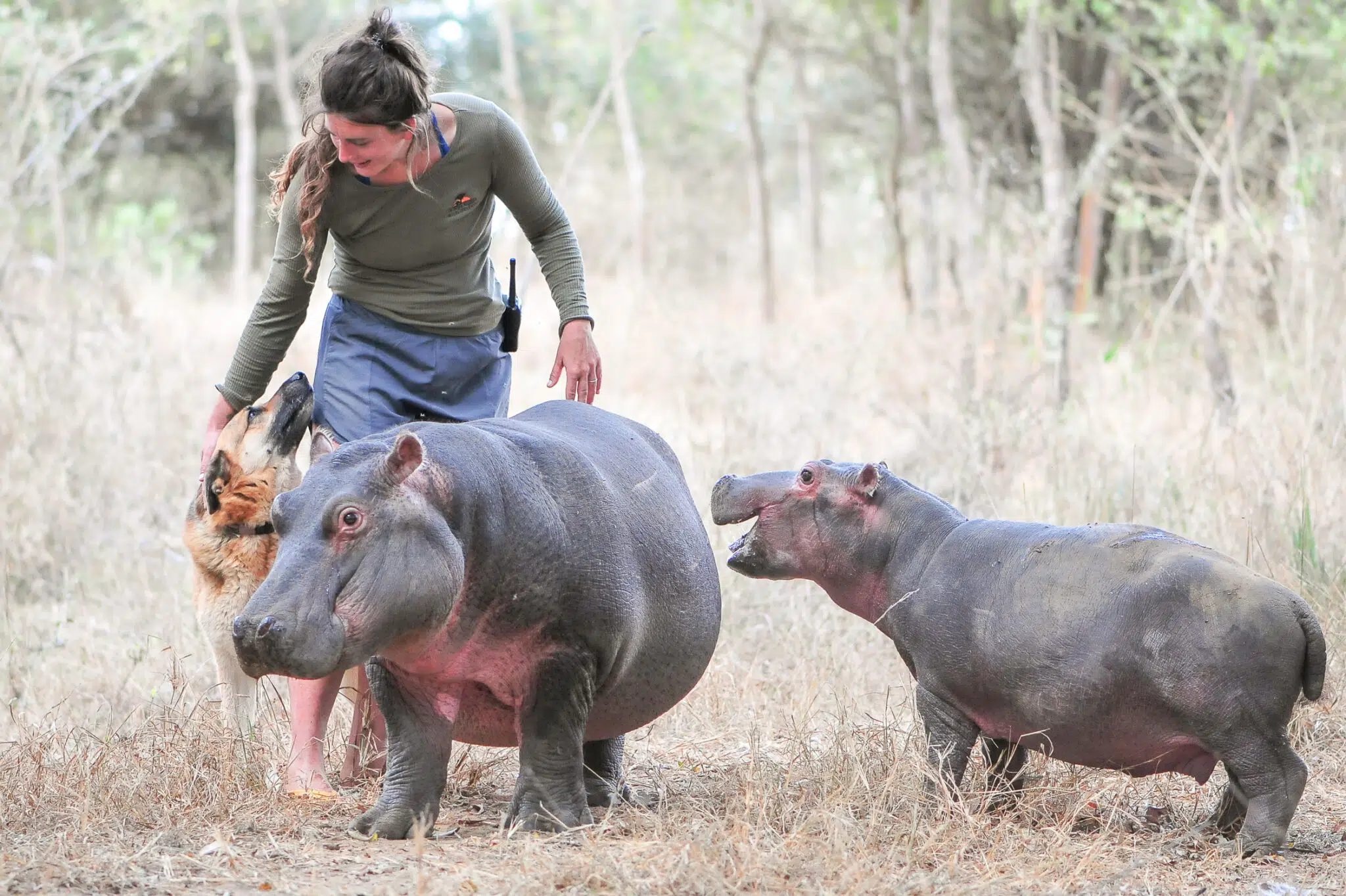
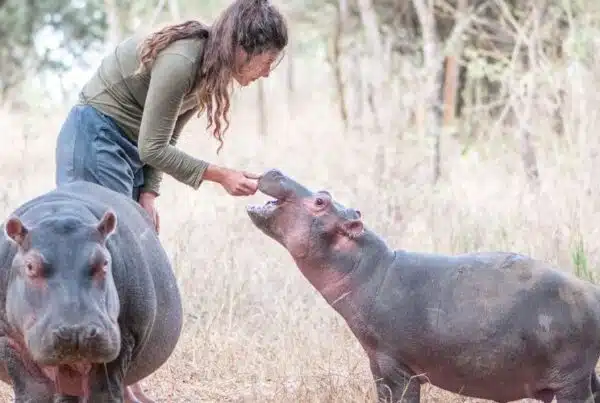
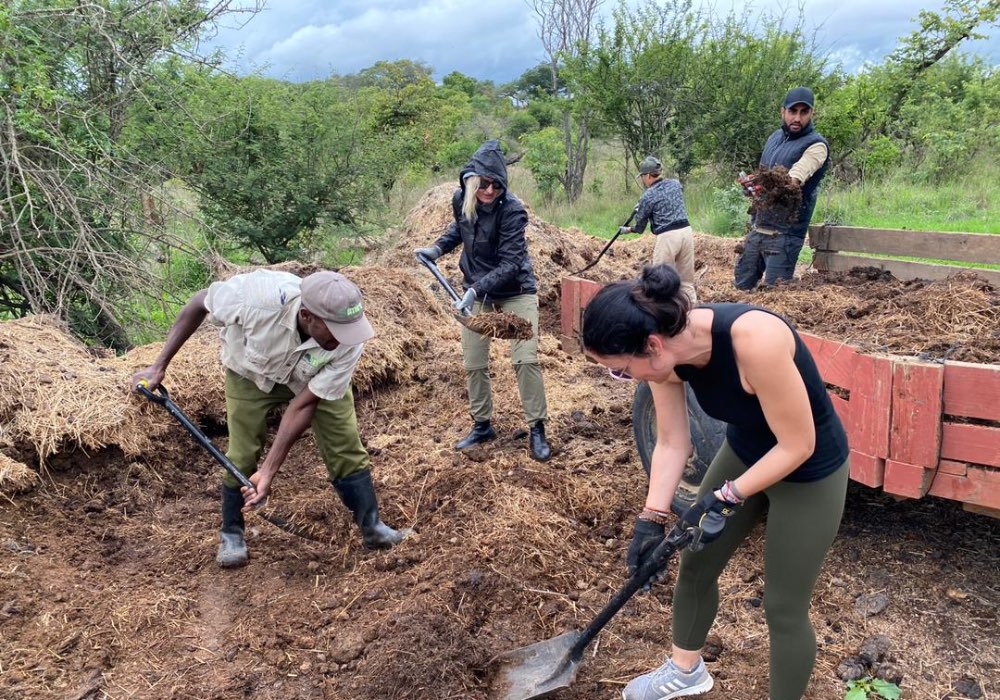
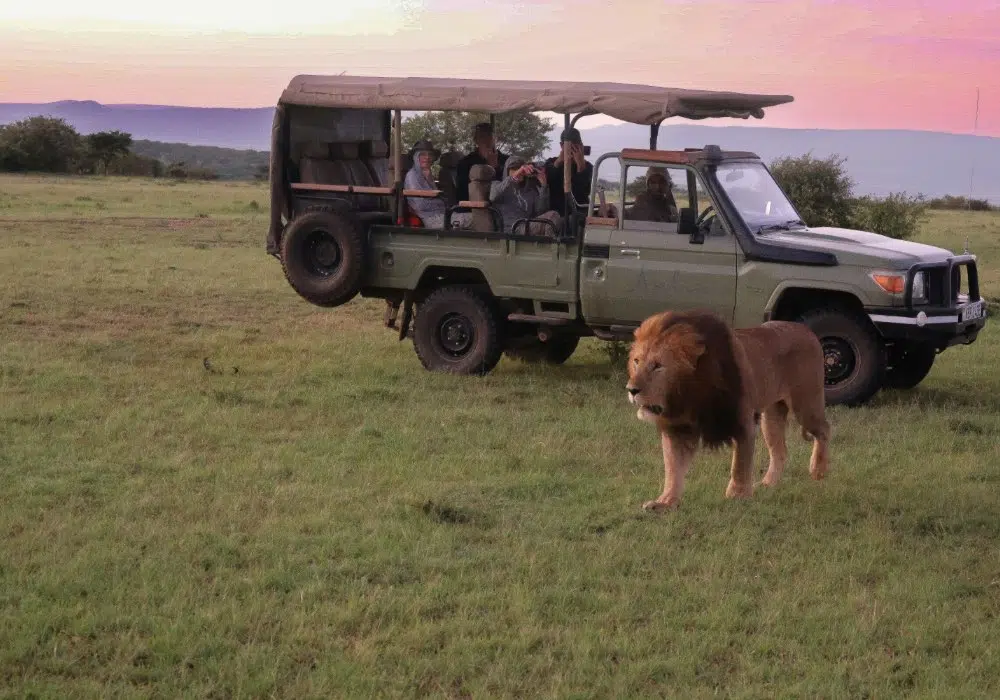
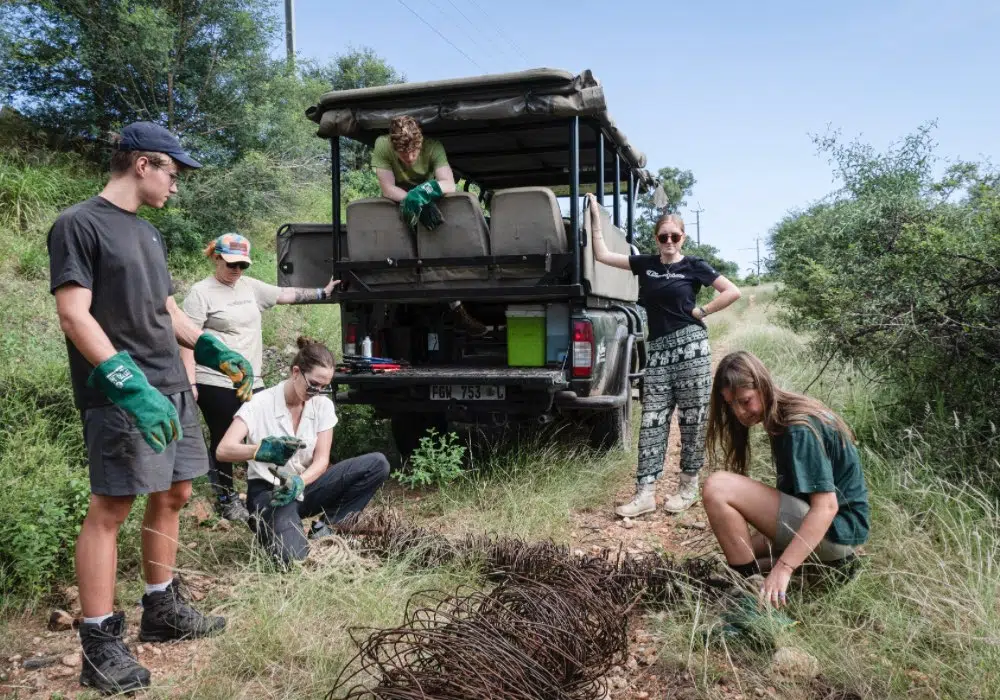
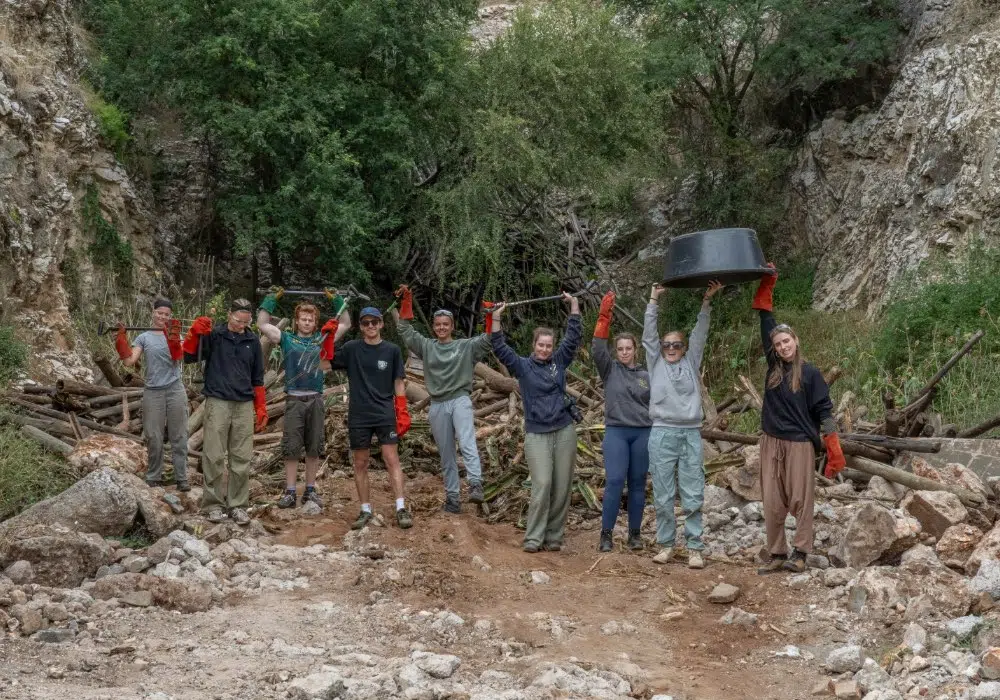
Whether it’s physical conservation, or hand feeding orphaned animals, it’s time to roll up your sleeves!
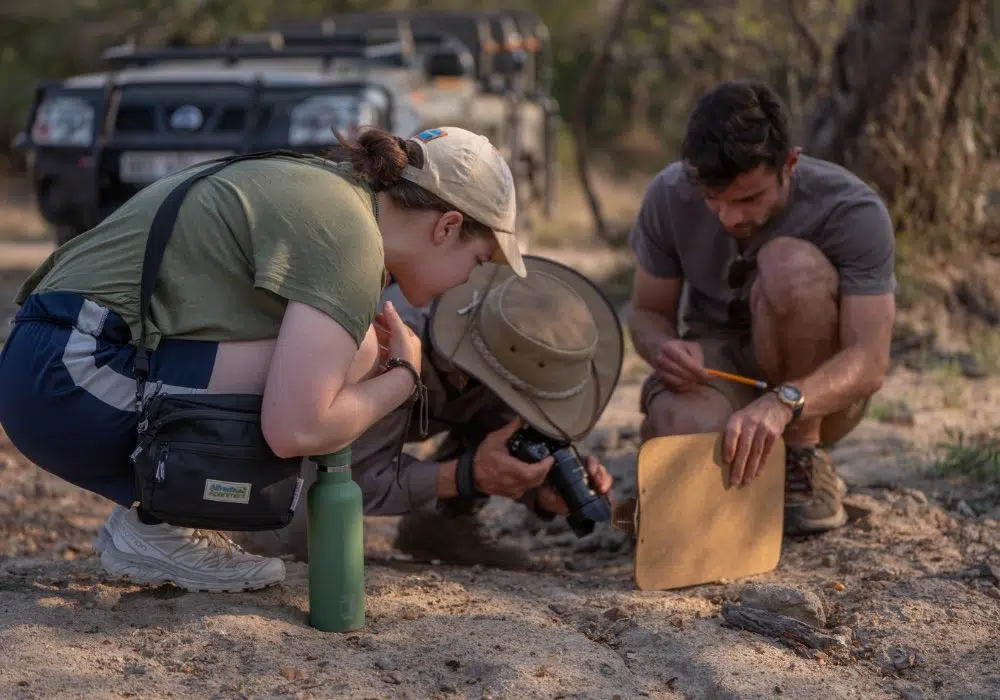
DATA ANALYSIS
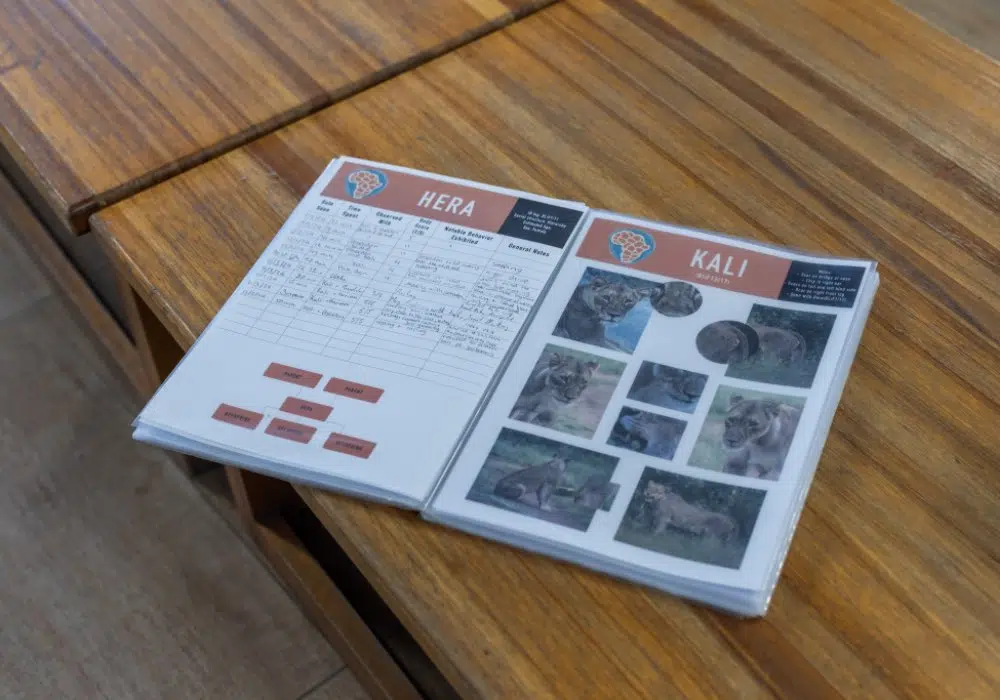
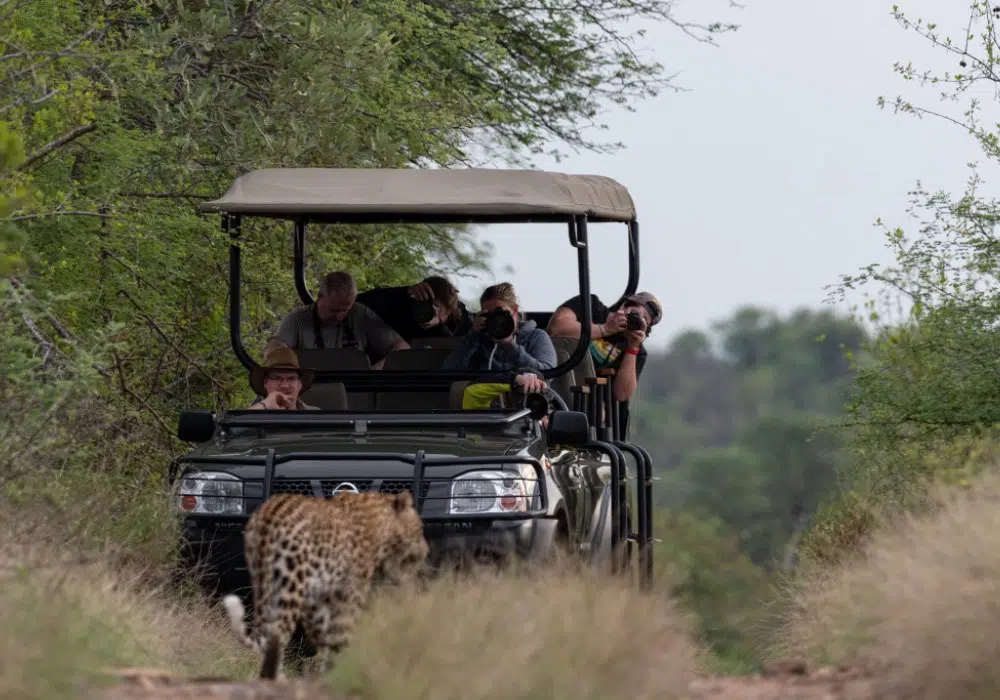
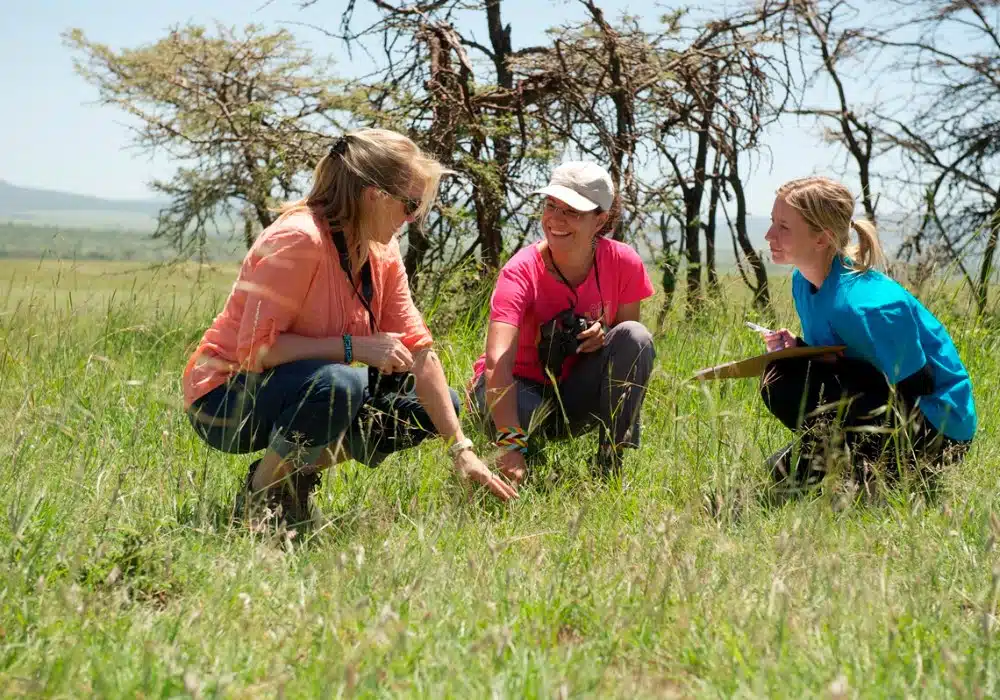
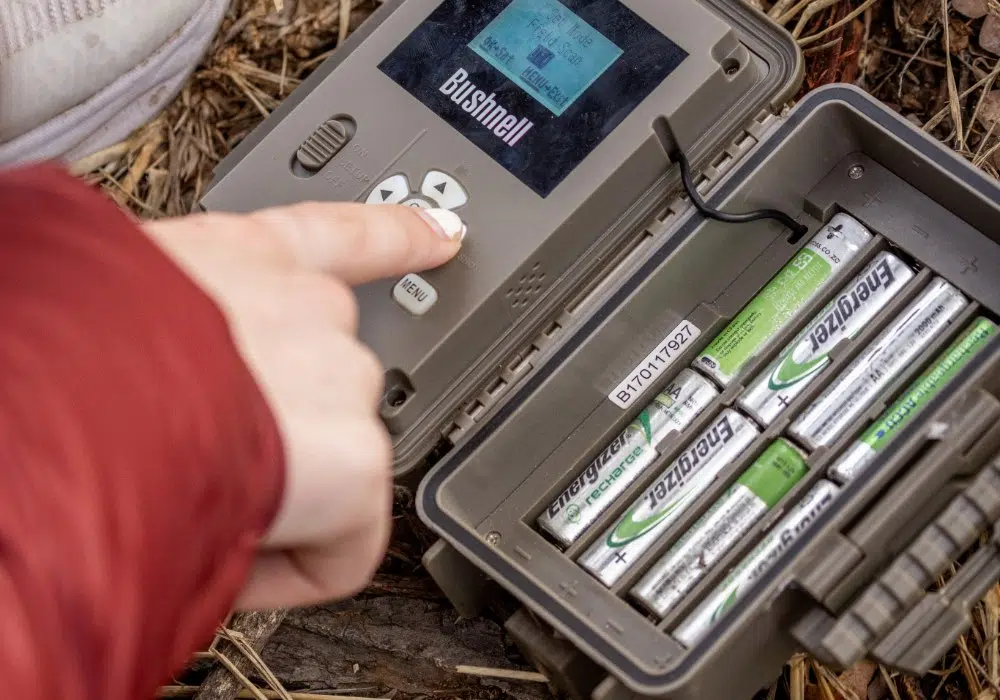
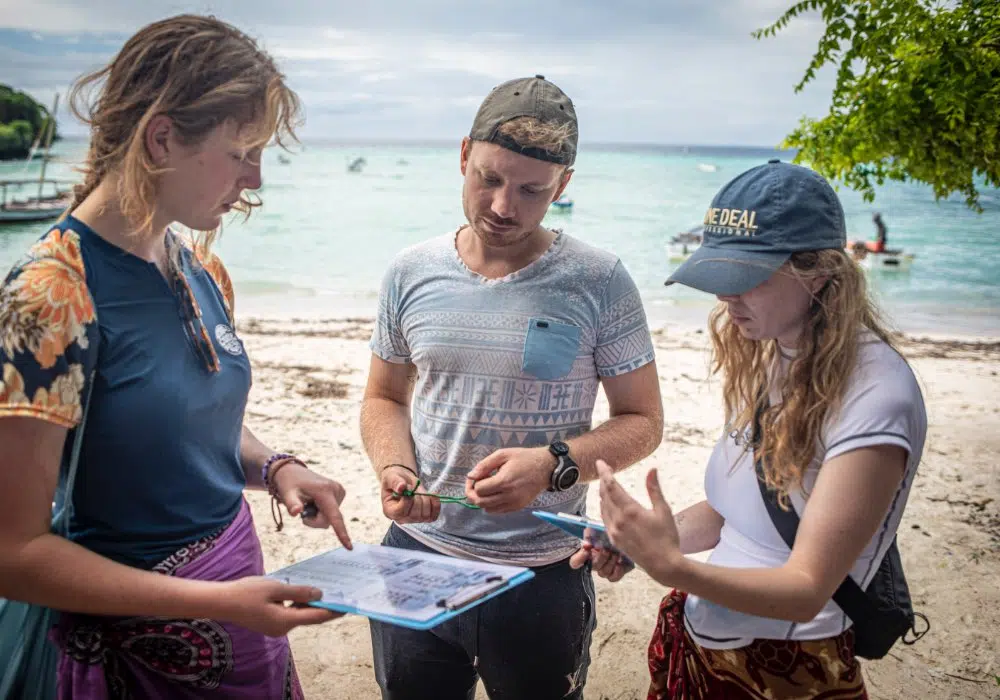
From coral reef surveys, to capturing data on game drives – data we collect informs communities and management practices.
WILDLIFE CONSERVATION
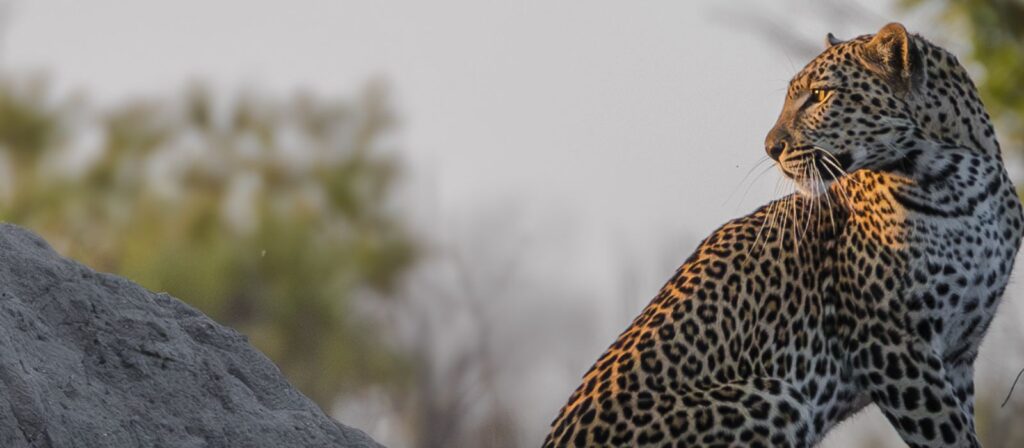
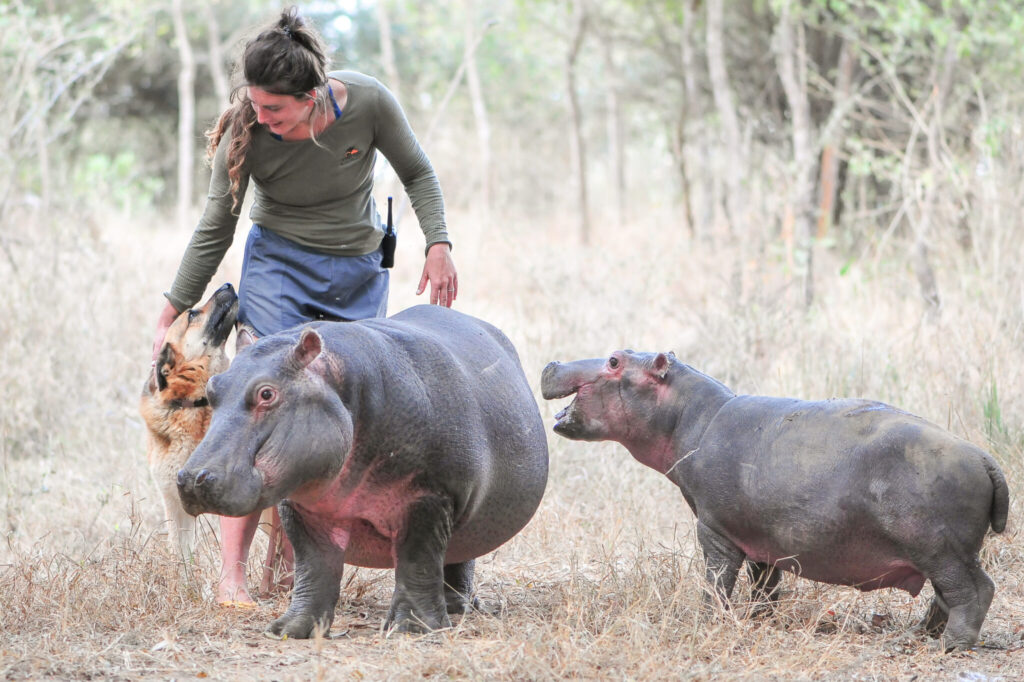
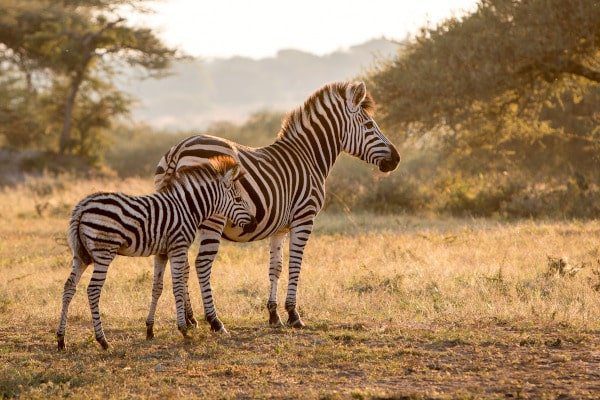
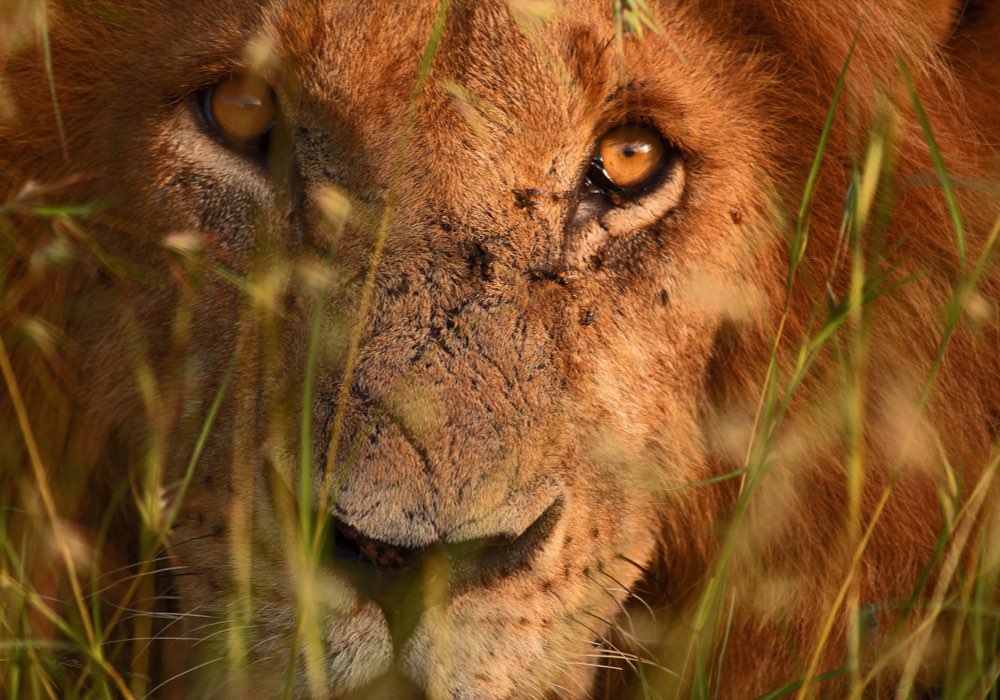
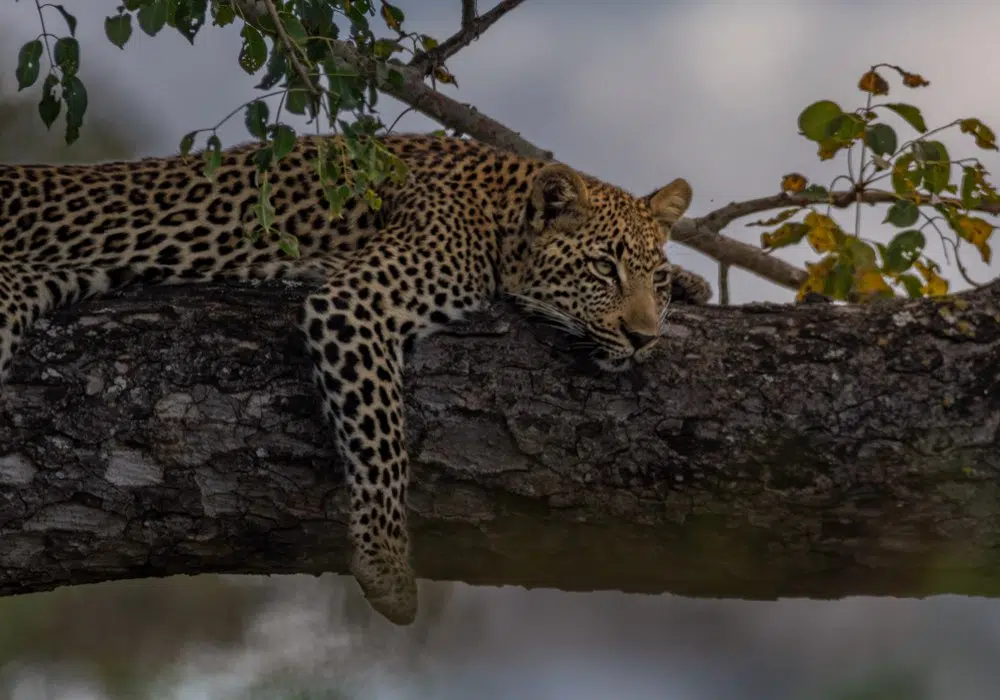
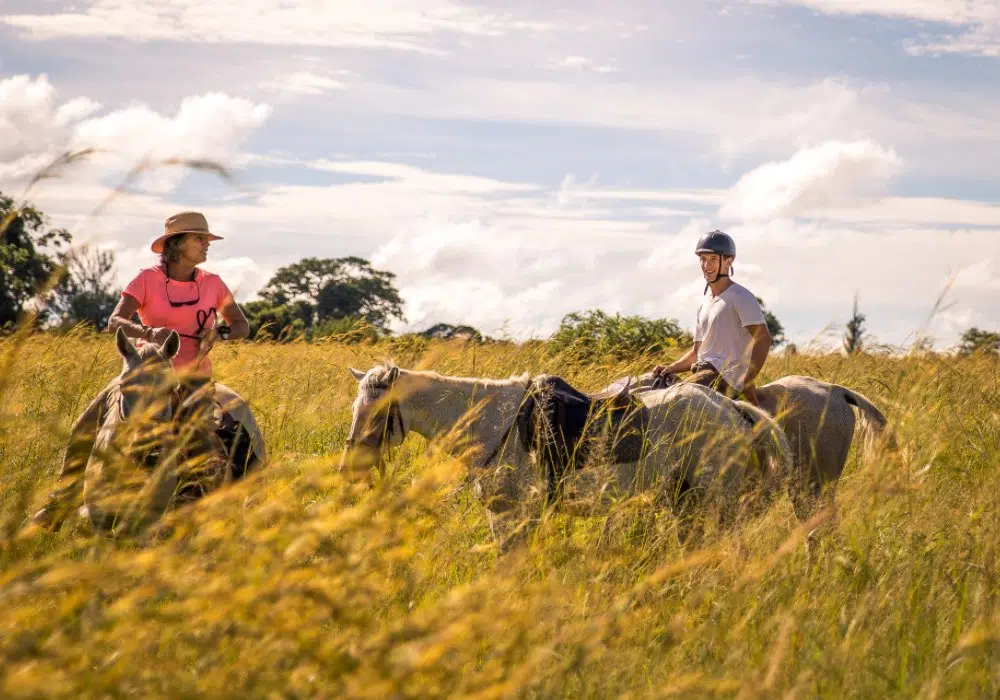
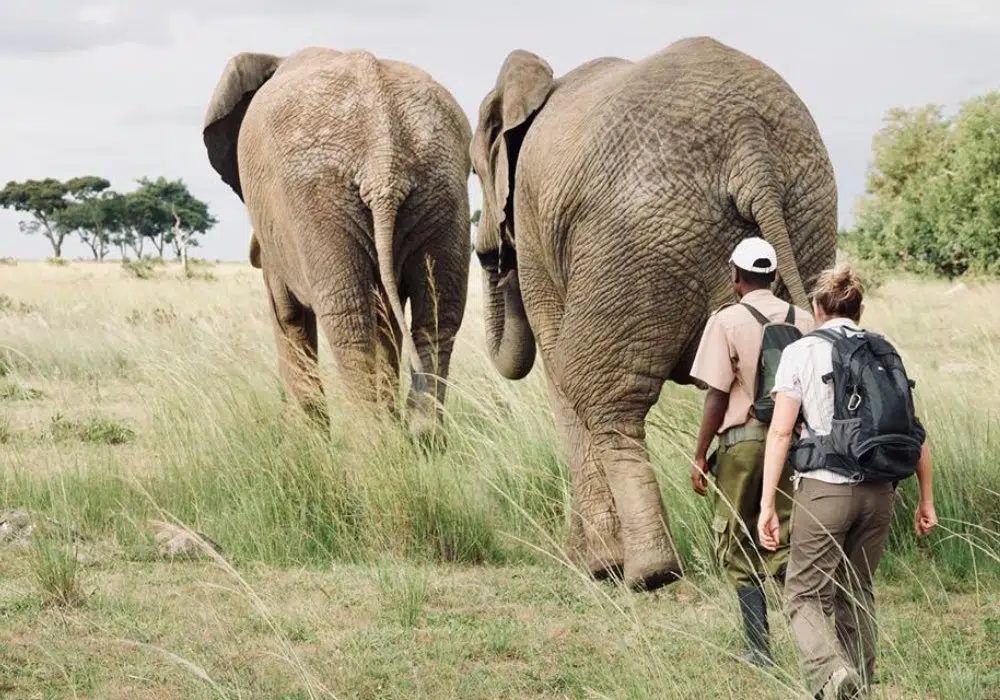
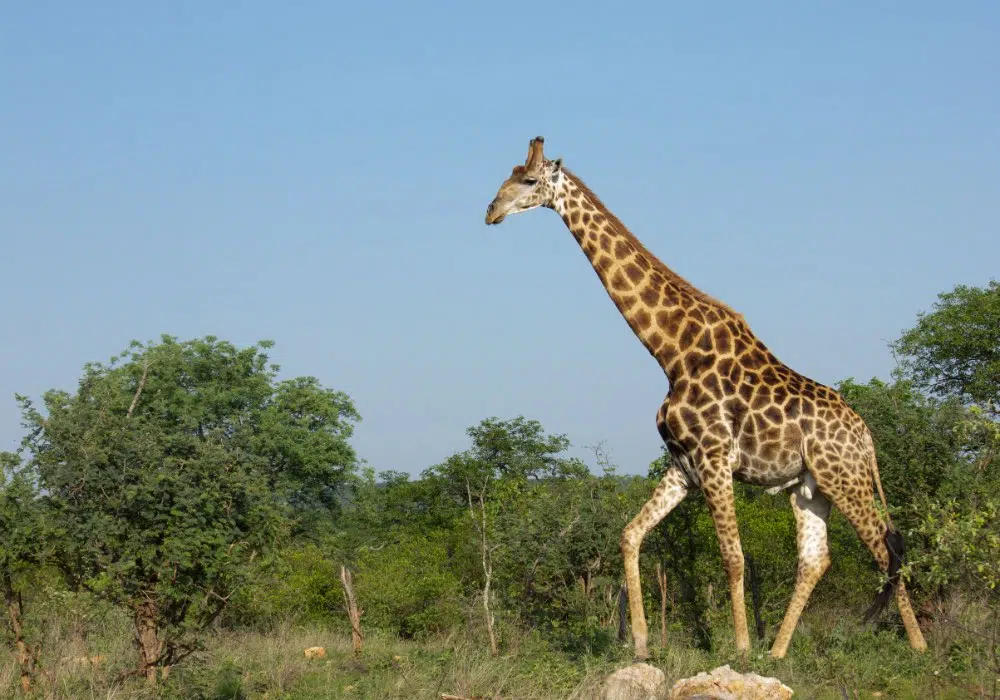
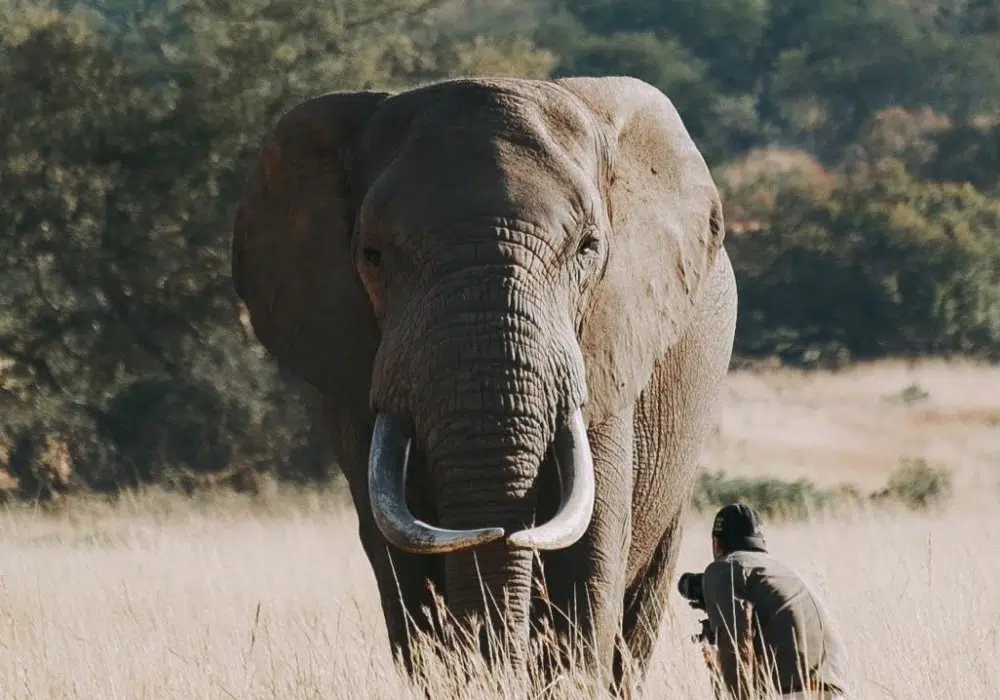
Experience the diversity of Africa’s wildlife! From elephants and big cats, to nocturnal animals rarely seen.
MARINE CONSERVATION
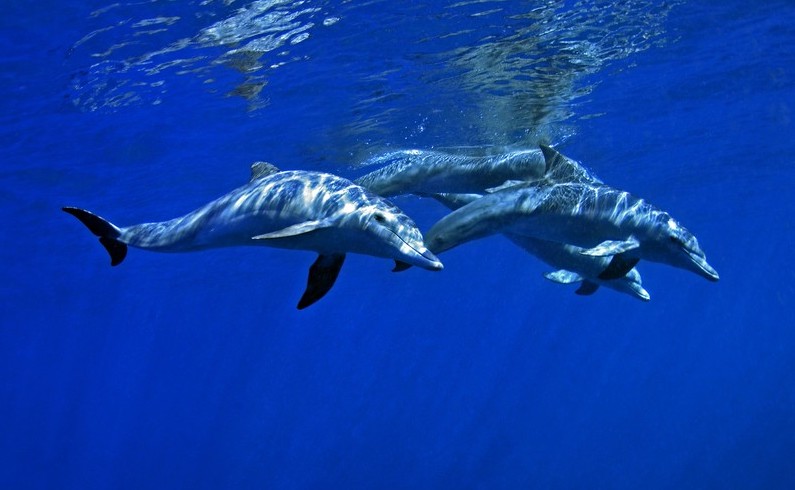
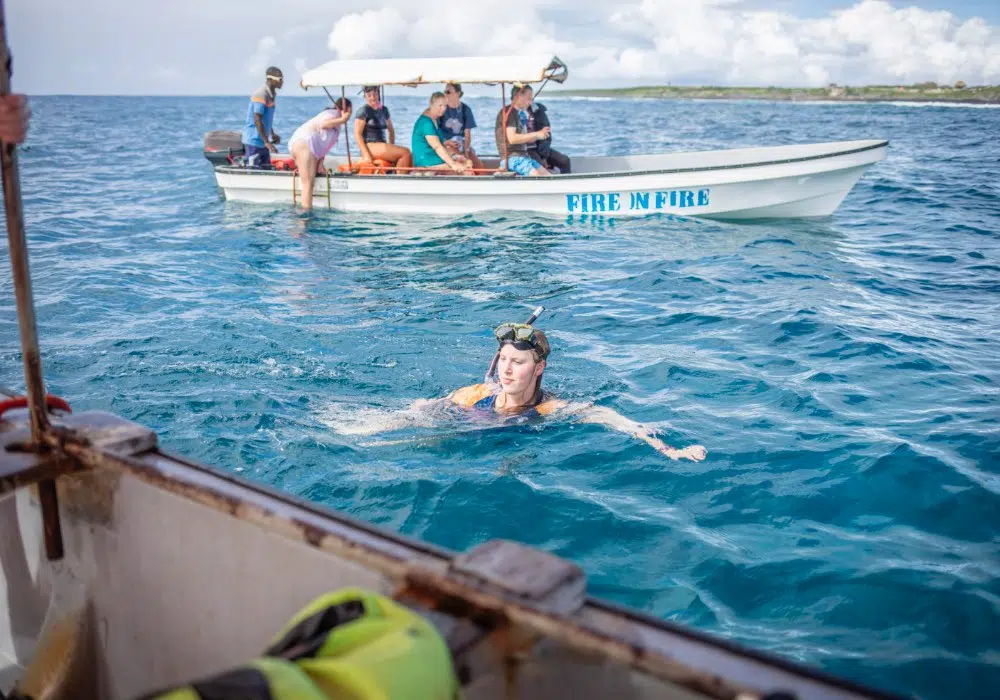
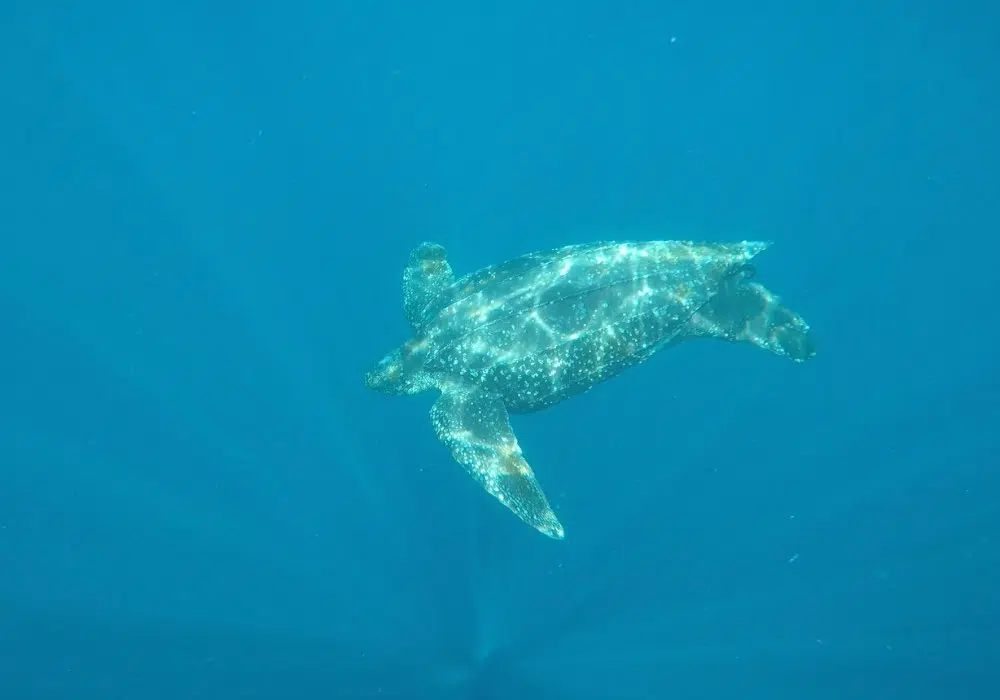
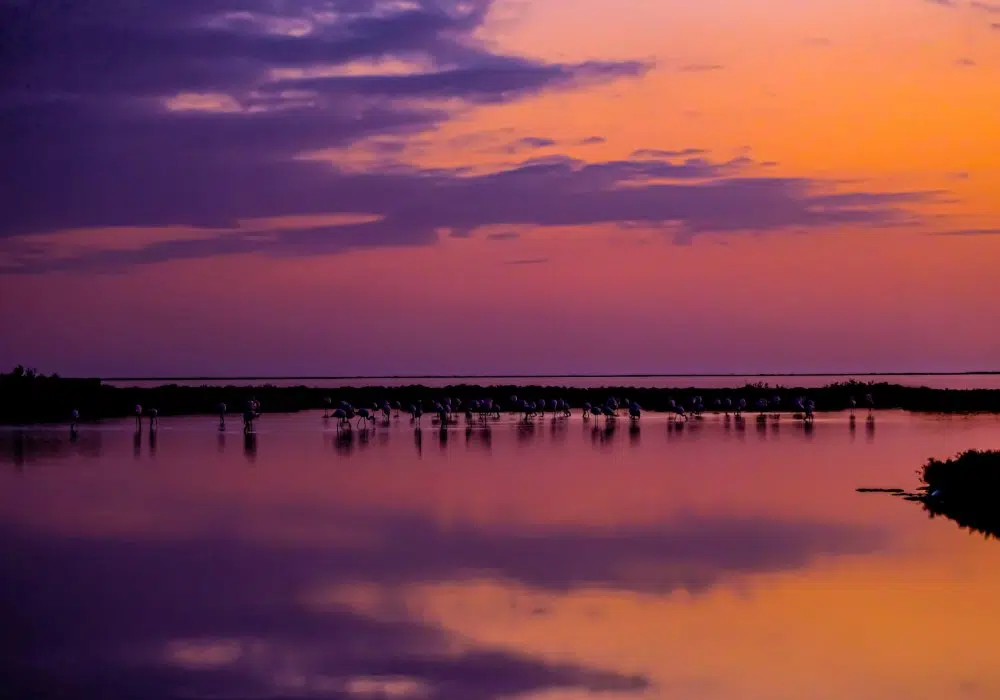
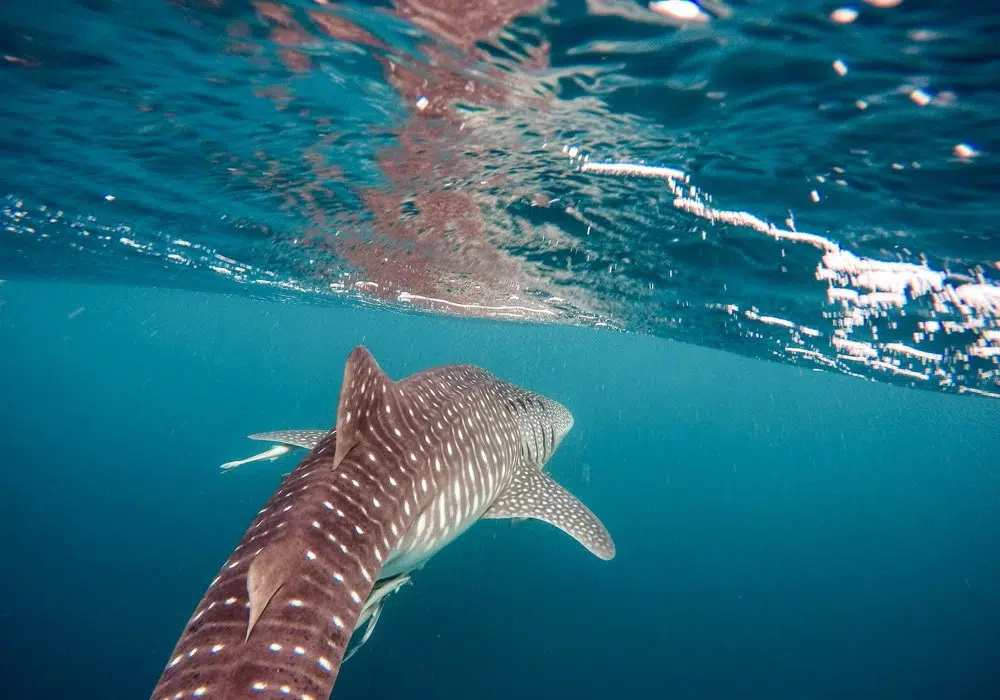
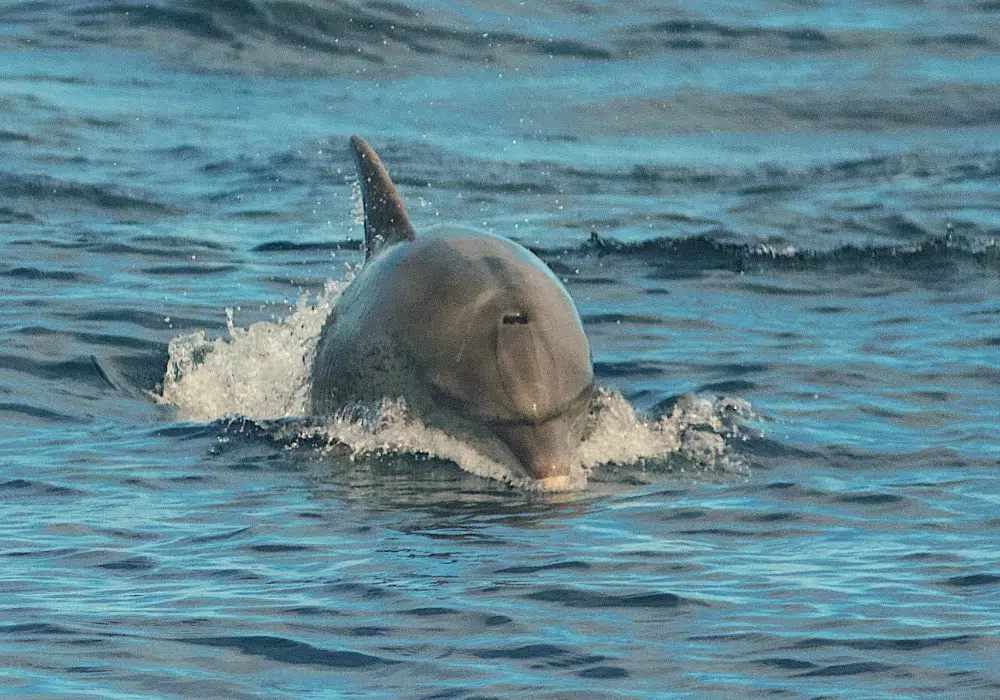
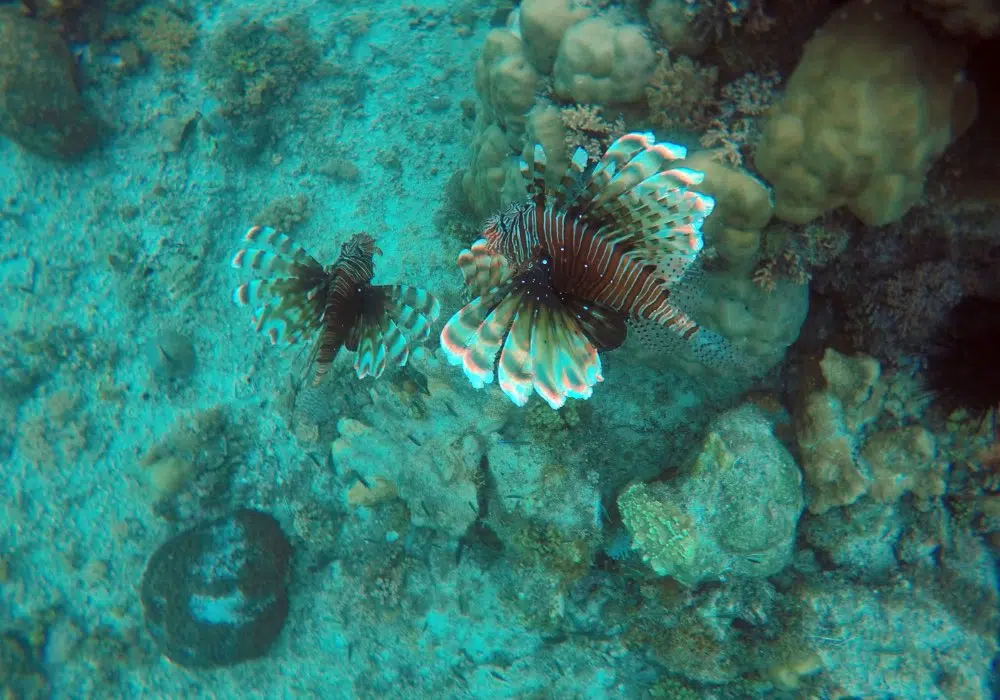
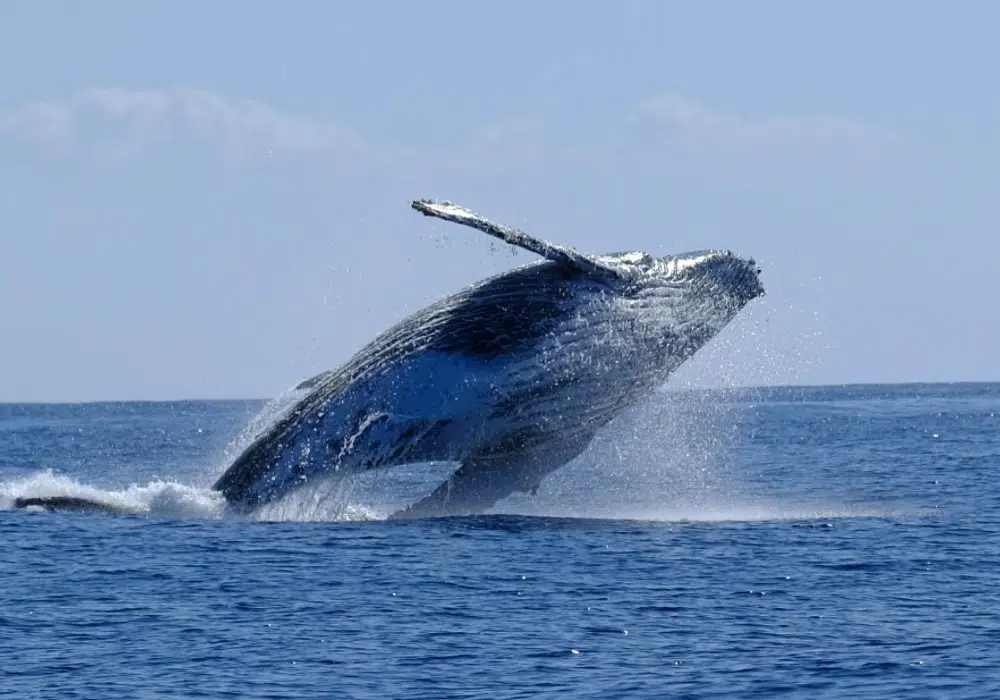
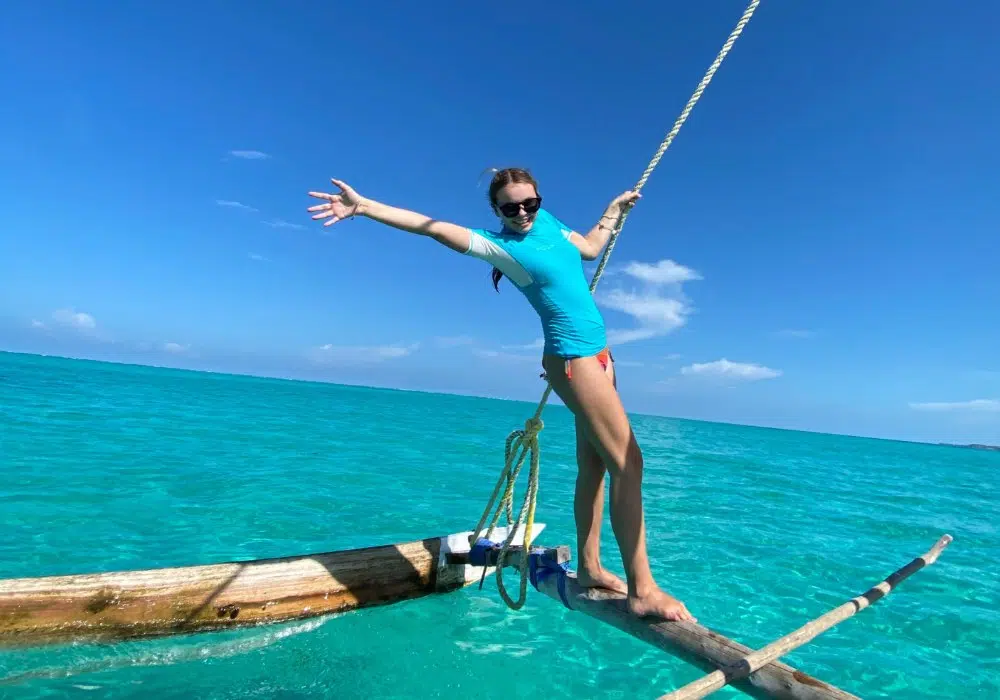
From the tropical island of Zanzibar to the warm waters of Mozambique, diverse marine life needs your assistance to protect it.
LEARNING EXPERIENCE
Every project offers you the opportunity to leave having learnt something you never knew before.
Do You Want to Create an Impact in Conservation?
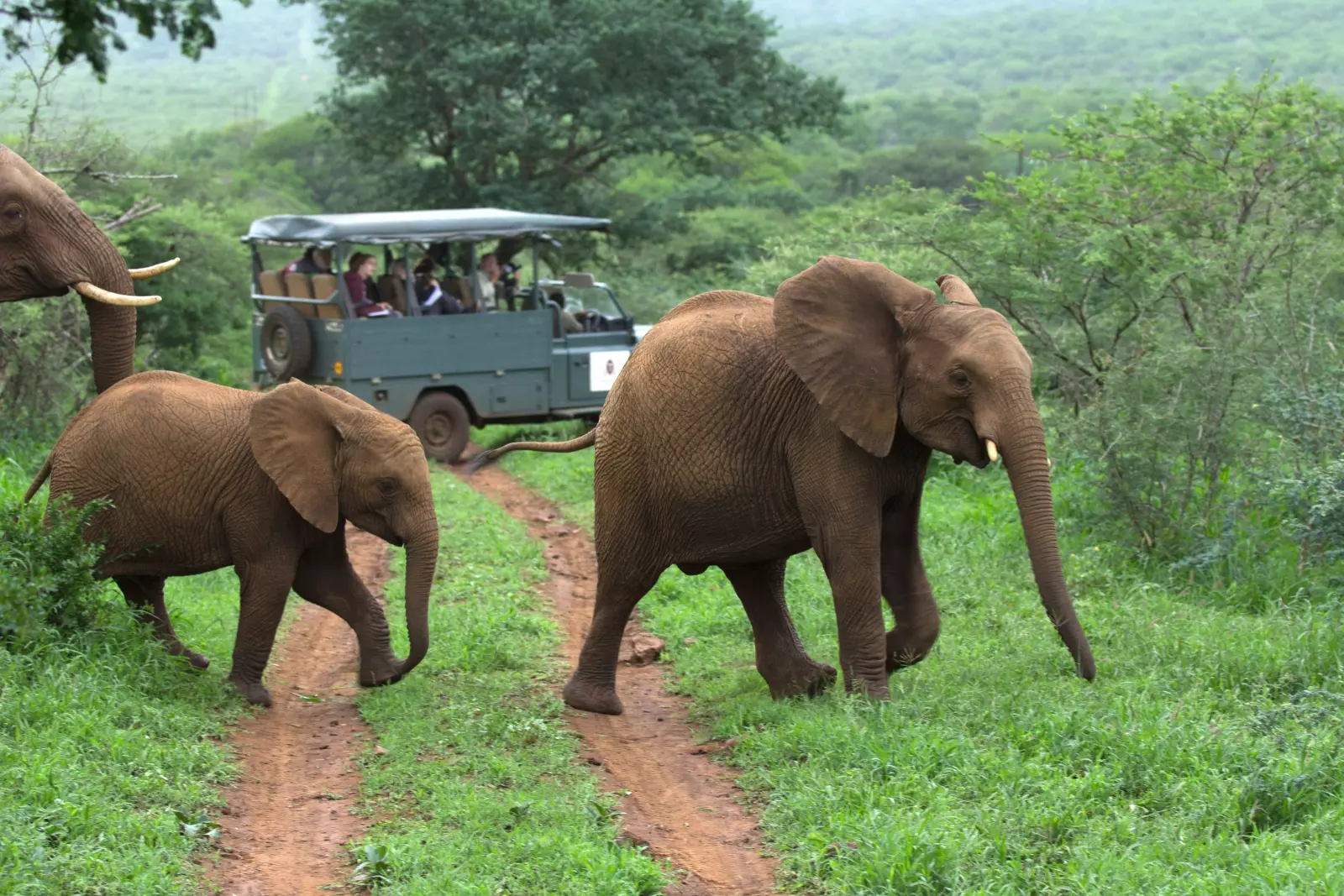
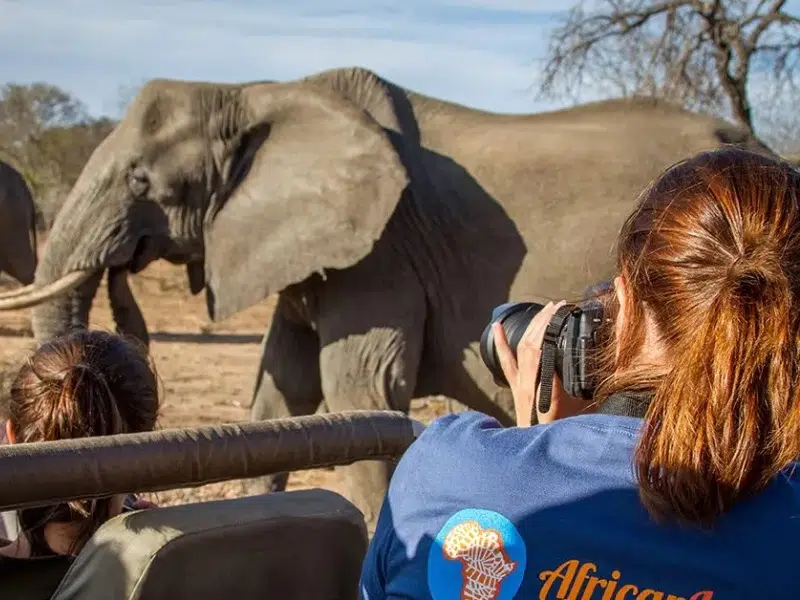
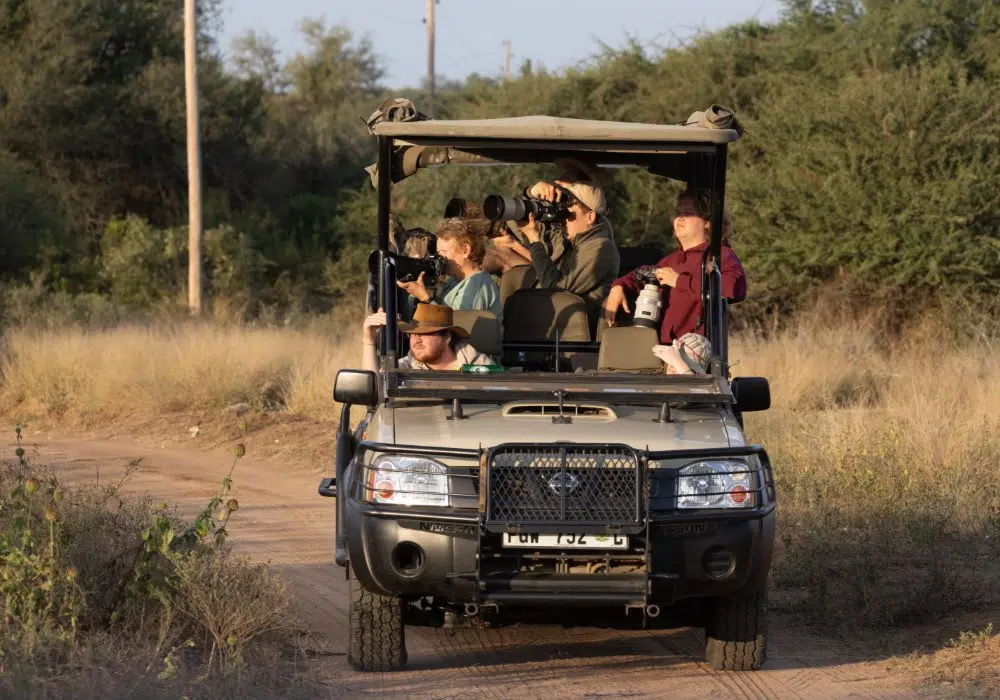
Embark on an extraordinary journey with our conservation volunteer projects in Africa – a continent boasting some of Earth’s most awe-inspiring wildlife and ecosystems. Much of this natural beauty is vulnerable or critically endangered, making immediate action crucial. Our volunteer opportunities offer more than just travel; they provide a chance to make a tangible difference in conservation efforts. Whether you’re tracking elephants, monitoring big cats, or restoring natural habitats, each day brings new adventures and meaningful contributions.
As a conservation volunteer, you’ll not only witness the magic of Africa’s wilderness but actively participate in its preservation. Work alongside experts, engage with local communities, and gain invaluable insights into wildlife management.
This isn’t just a trip – it’s a life-changing experience that connects you deeply with nature and leaves a lasting impact on both you and the environment.
Our Impact On Conservation in Africa


Our dedicated team of Field Guides and Researchers across South Africa and Zanzibar actively support the above United Nations Sustainable Development Goals, ensuring impactful conservation efforts in these diverse regions.
Why Volunteer In Conservation Work With African Impact
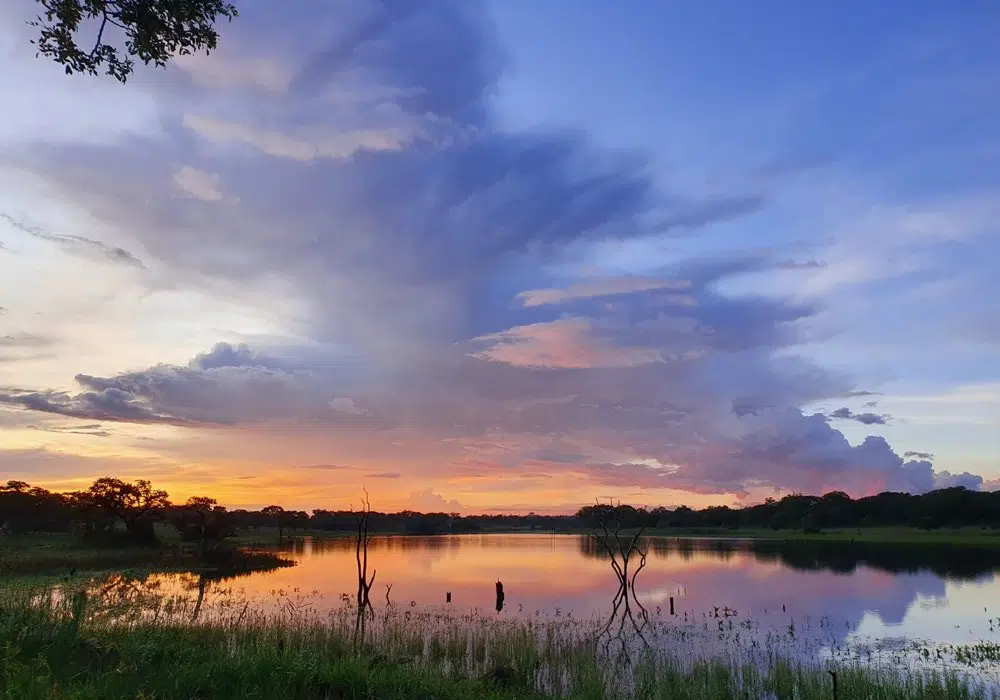
Africa is home to some of the most stunning wildlife and natural landscapes on the planet. We believe that an African conservation experience is one of the best ways to experience everything our continent offers. Known to be full with a beautiful array of natural wonders and wildlife, from big cats to stunning marine life, there are no shortages of incredible wildlife encounters to be had in Africa’s unmatched parks.
For more than a decade, African Impact has been committed to running volunteer projects that create sustainable and long-term impacts in the communities we work in. In 2018 alone, our volunteers and staff contributed to a range of beneficial conservation efforts, including: removing 87 snares in the Greater Kruger Area, taking 9,636 photographs for ID kits to track and monitor animals, and ethically training 15 new boat drivers, among many other achievements.
Conservation Project FAQs
WHY IS CONSERVATION VOLUNTEERING IN AFRICA IMPORTANT?
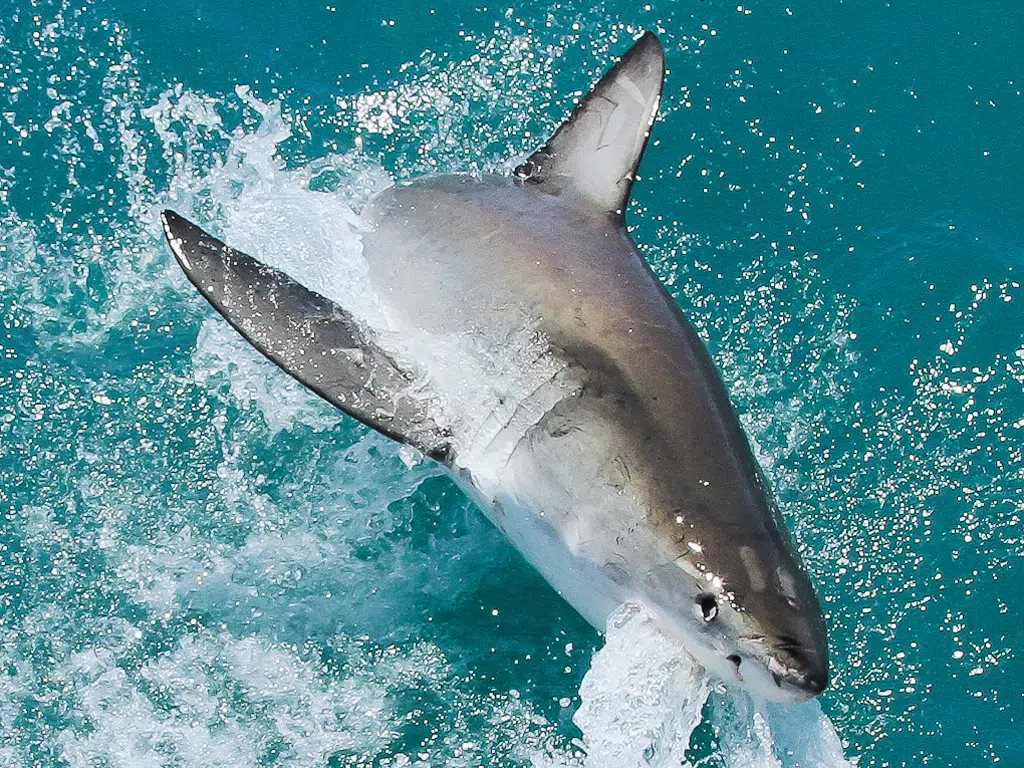
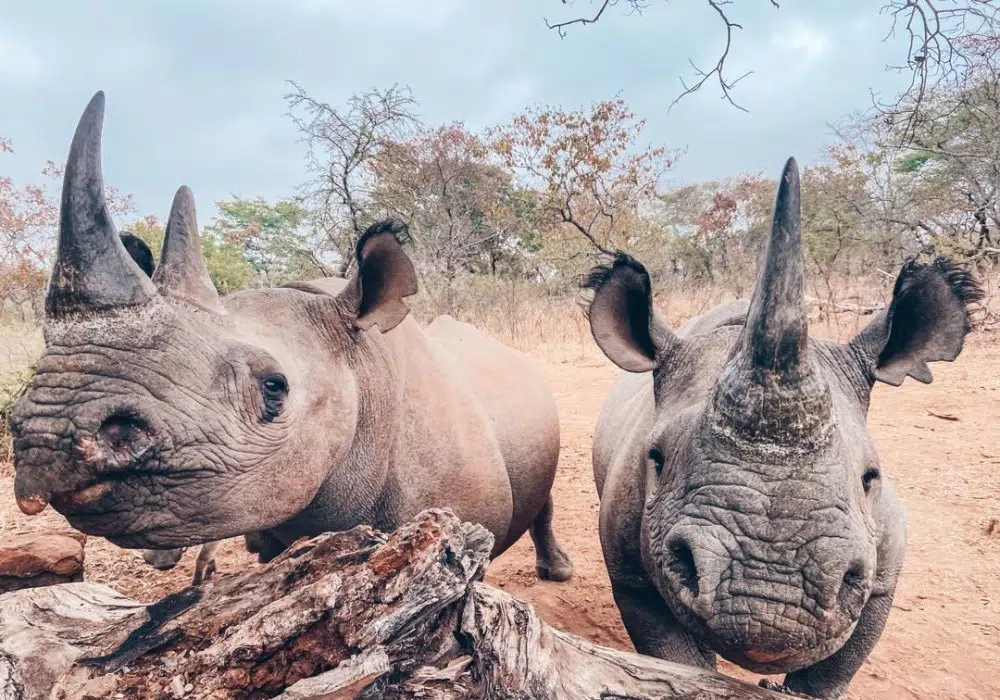
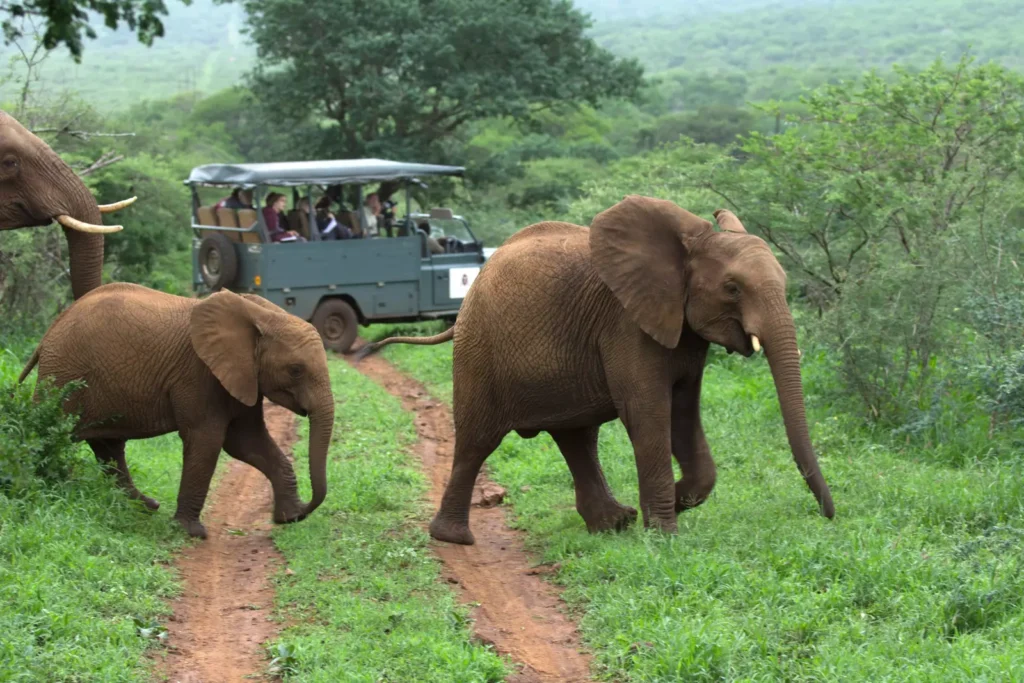
Vulnerable, endangered and critically endangered species in Africa are all at high risk of extinction in the wild. Unfortunately, the majority of these animals are native to Africa, and they include wildlife such as the African Elephant, Great White Shark, African Wild Dog, Sea Turtles, and the Black Rhino. You can support the protection of animals in Africa by getting involved in conservation efforts as a volunteer with African Impact!
WHY ARE VOLUNTEERS IMPORTANT TO OUR ORGANIZATION?
Joining a conservation volunteer project is one of the best ways to get involved in protecting Africa’s precious ecosystems. All conservation projects at African Impact are committed to making sustainable and long-term impacts on local communities and wildlife. No matter how long you join us, the skills you learn from volunteering on a project will benefit you for a lifetime, and your time will impact conservation efforts in powerful ways thanks to our focus on sustainability.
WHAT ARE THE BENEFITS OF BEING A CONSERVATION VOLUNTEER IN AFRICA?
The benefits of African conservation volunteering are exponential. This impact-driven adventure will transform you, the volunteer! When you give your time in Africa, you will receive so much in return. Not to mention, if you join conservation opportunities abroad, that means you’ll explore some of Africa’s most beautiful national parks.
Read this blog on how volunteering can change your life to learn more about the benefits!
HOW CAN I GET INVOLVED IN CONSERVATION WORK?
You might be asking yourself questions like, “How do I start volunteering in conservation?” or “What skills do I need to be a volunteer?”? Well, the answers you’re looking for are as simple as it seems. Take a browse through our conservation projects, learn about all the requirements, and what’s on offer. Once you’ve decided on a chosen project, scroll down to the bottom of the page, where you’ll find the project enquiry form to fill out.