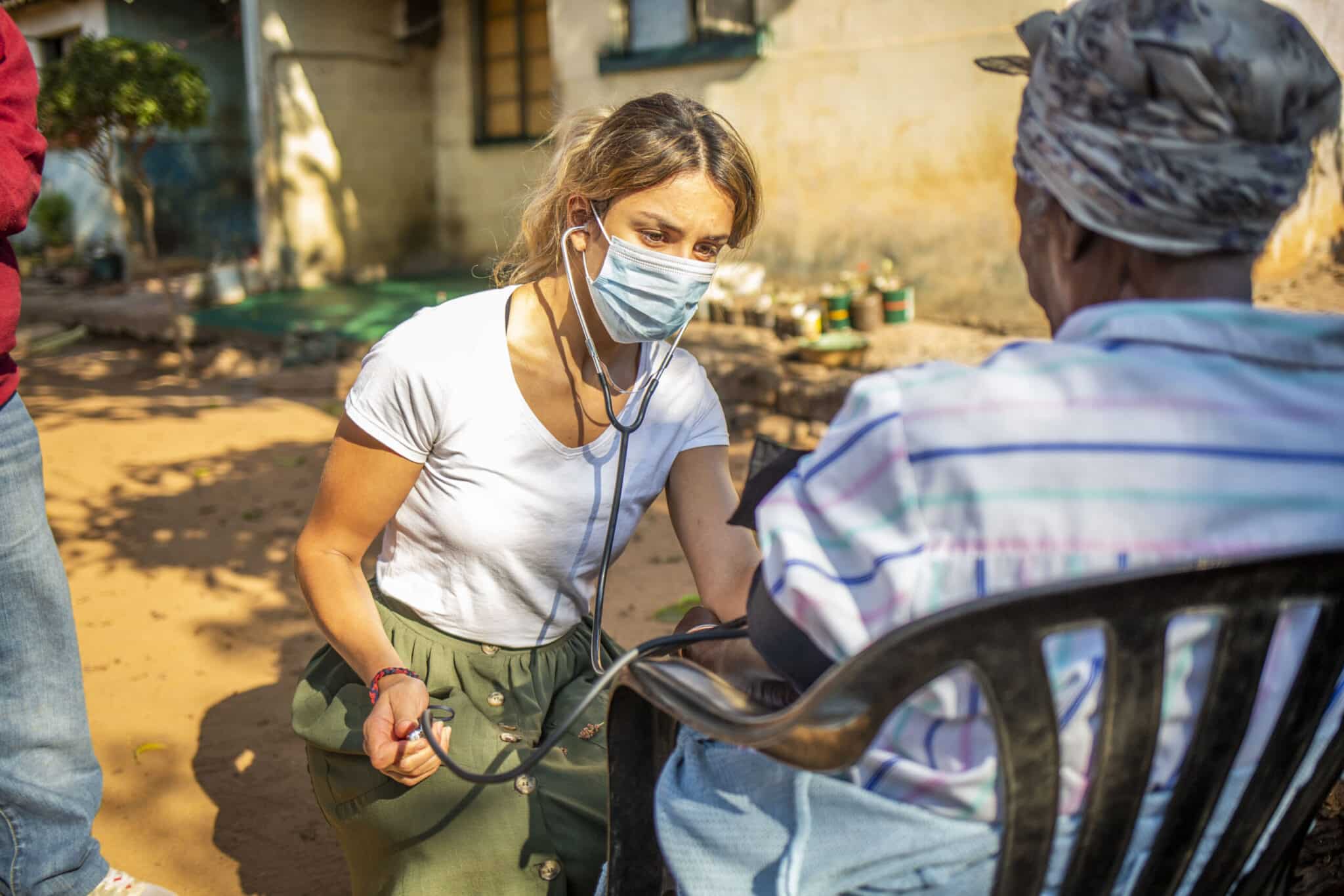
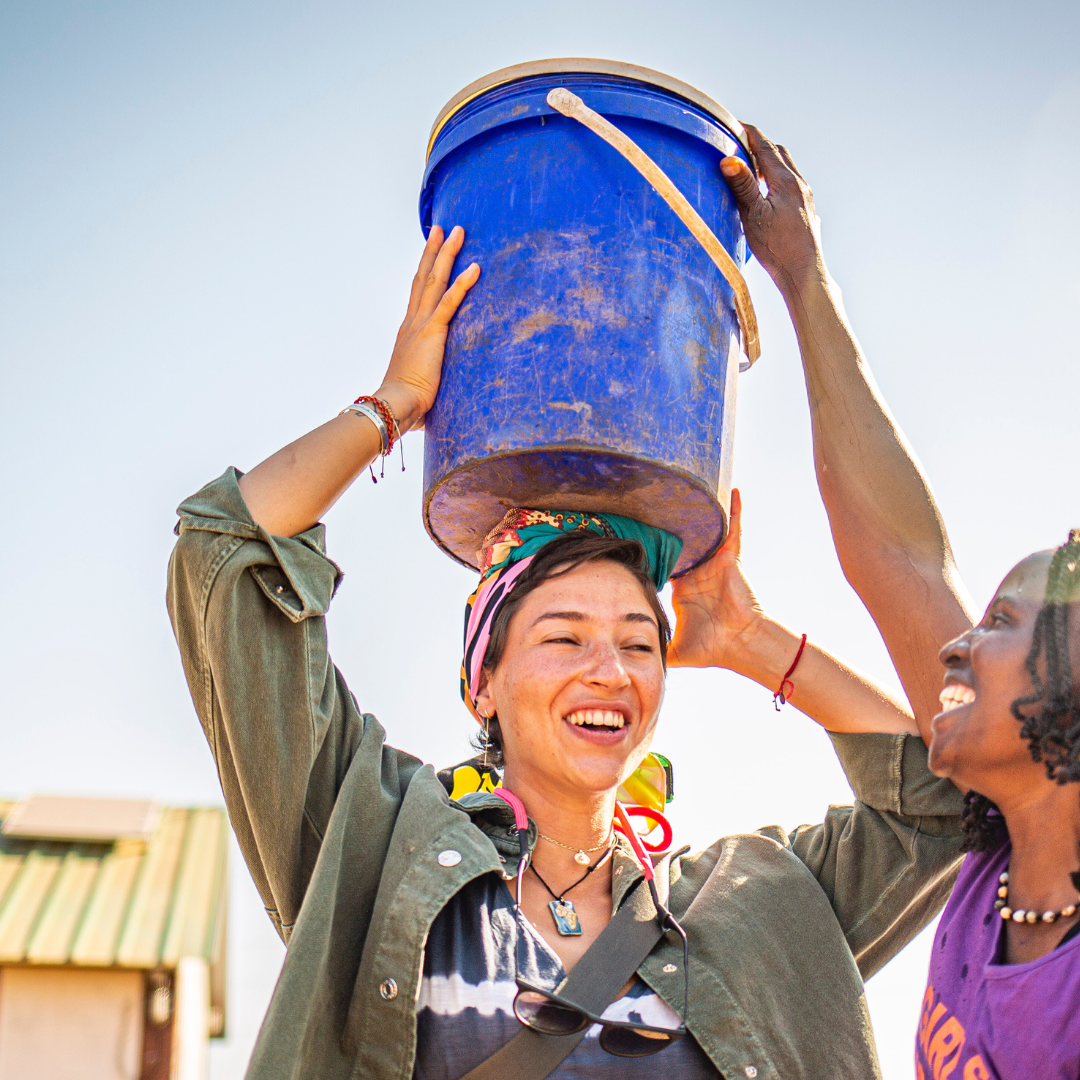
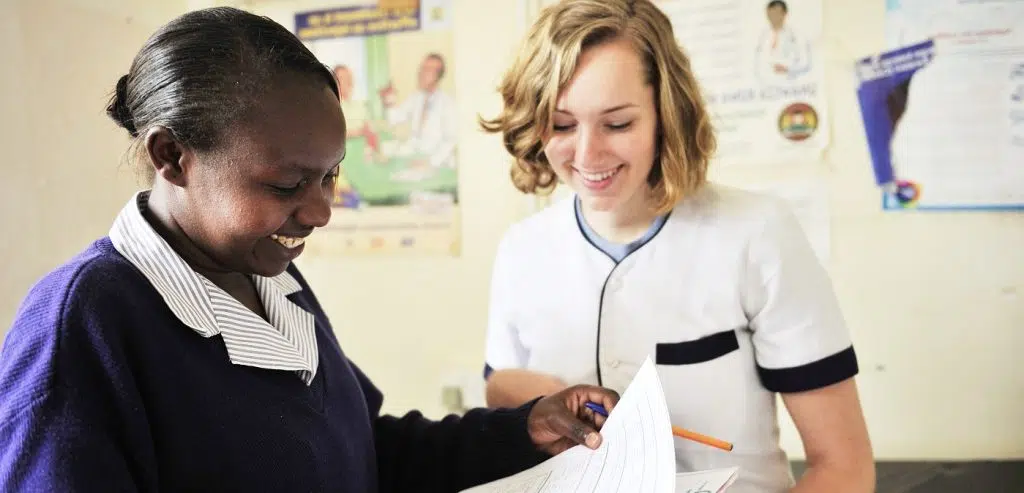
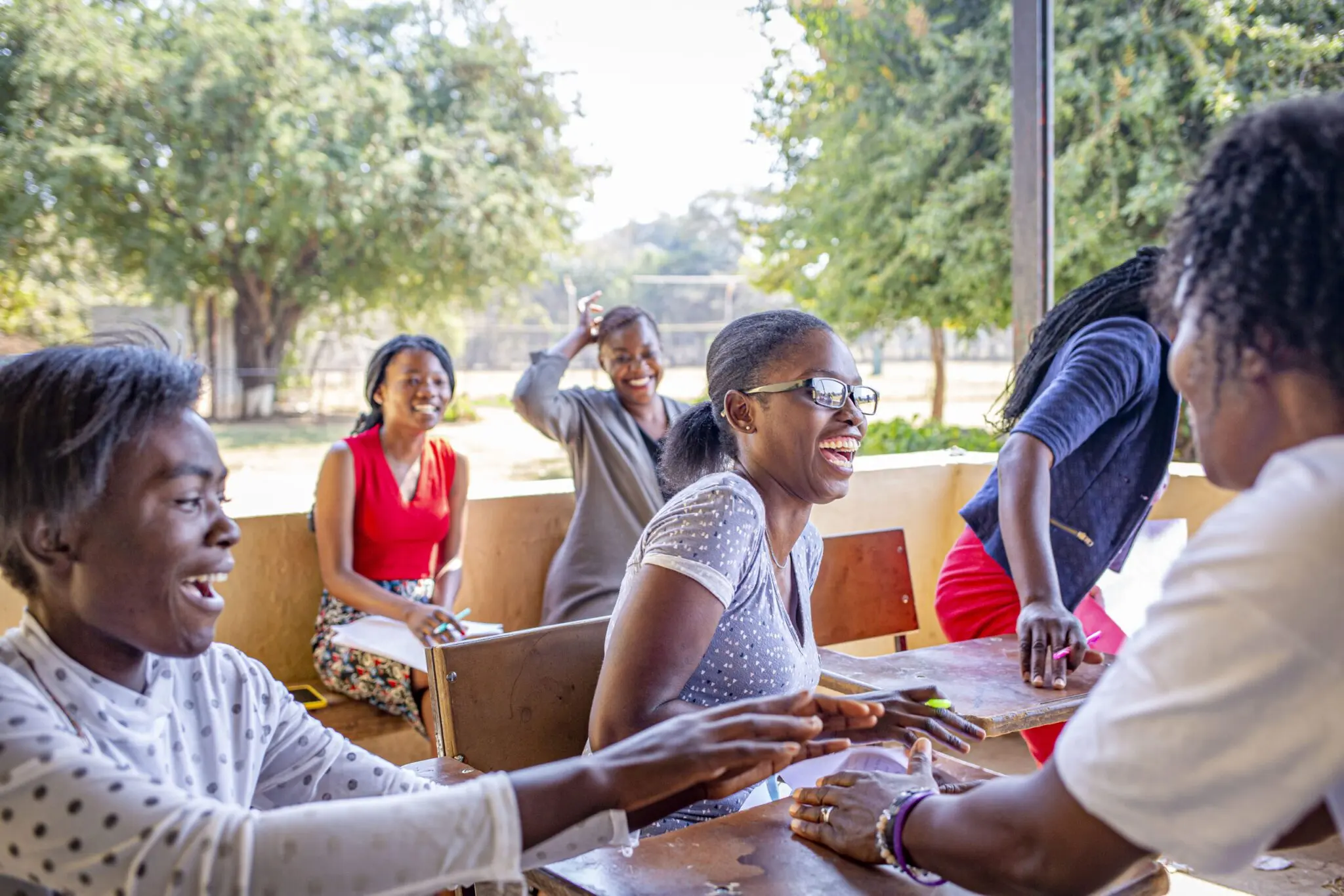
Work as a Rural Community Development Intern and contribute to the education and welfare of the local Zambian Communities on the outskirts of Livingstone, an area rife with poverty and hardships. Also gain exposure to Wildlife Conservation and Lion Rehabilitation Initiatives.
Education And Rural Community Development Internship Livingstone, Zambia


Since 1950 the human population of Africa has increased from 221 million to nearly one billion. This increase is one of the leading factors contributing to the decline of the African lion. As the continent’s human population continues to grow the amount of suitable habitat for lions is decreasing at an alarming rate as more and more land is converted to other uses.
The result for lions is isolation in fragmented and fragile ecosystems that are under constant pressure, with little motivation for government or rural communities to work towards long term solutions. This project works towards generating the motivation and means for all stakeholders towards responsible development where natural resources are seen as vital to both short and long term social and economic development.
To try and fulfill this remit projects are focused on empowerment and benefit sharing, human / wildlife conflict issues, education and health programmes for communities living alongside Africa’s wildlife. Only when the African people are able to accrue the benefits of sound wildlife management will the motivation for such be generated, producing the long term solutions that are so greatly needed.
Your involvement:
The involvement of volunteers on the project is paramount to achieving our aims on all fronts. You can expect days to be long, but you will also be able to end each day knowing that you have given something back to Africa; having made a difference to the people that you come into contact with.
More about the African Lion Rehabilitation & Release into the Wild Programme:
THE 4 STAGE RELEASE PROGRAMME:
The aim of the 4 stage Lion Rehabilitation programme is to release and therefore restore lion populations within Eastern and Southern Africa through a programme that will also provide social benefits to surrounding communities.
In order to do this, all captive bred lions on our projects will go through a 4 stage rehabilitation programme:
STAGE 1:
Cubs born in our breeding sites are removed from their mothers after a period of initial care - at this point we take the place of dominant members of their pride, and train them only to the point that they are safe for us to walk with.
The lions are given every opportunity to build their confidence in their natural environment both during the day and at night. As their experience grows they start to take an interest in the wildlife they encounter on the walks, and by the age of eighteen months are able to hunt many of the smaller antelope. By two years old the lions are already seasoned hunters, and we give them plenty of opportunity to practice their natural hunting skills.
STAGE 2:
In stage two the lions are given the opportunity to develop a natural pride social system in a minimum 500 acre enclosure. They have plenty of wildlife to hunt, and their progress is monitored closely, although all human contact is removed. The lions remain in stage two until the pride is stable, and self-sustaining semi-wild born cubs have been integrated into the pride.
STAGE 3:
In stage three the pride in stage two is relocated into a managed ecosystem of a minimum 10,000 acres, where:
• There are no resident human beings
• There are sufficient prey species to hunt
• There are competitive species such as hyena
The lions in Stage 3 will give birth to cubs, which will be raised by the pride in the managed ecosystem, which is very close to their natural environment.
STAGE 4:
In stage 4 lions born in stage 3 can be released into the wild in several natural social groups or ‘prides’
Through these 4 stages, we aim to preserve the African Lion by producing quality gene pools, rebuilding the diminishing numbers of lions and introducing the offspring back into wild environments.
2013 RATES
4 WEEKS: £ 1 195 / € 1 555 / $ 2 095
6 WEEKS: £ 1 595 / € 2 075 / $ 2 795
8 WEEKS: £ 2025 / € 2 635 / $ 3 545
- £1295
- €1620
- $2330
What is the minimum stay?
4 weeks
Where exactly is it?
Livingstone, Zambia
What will I be doing?
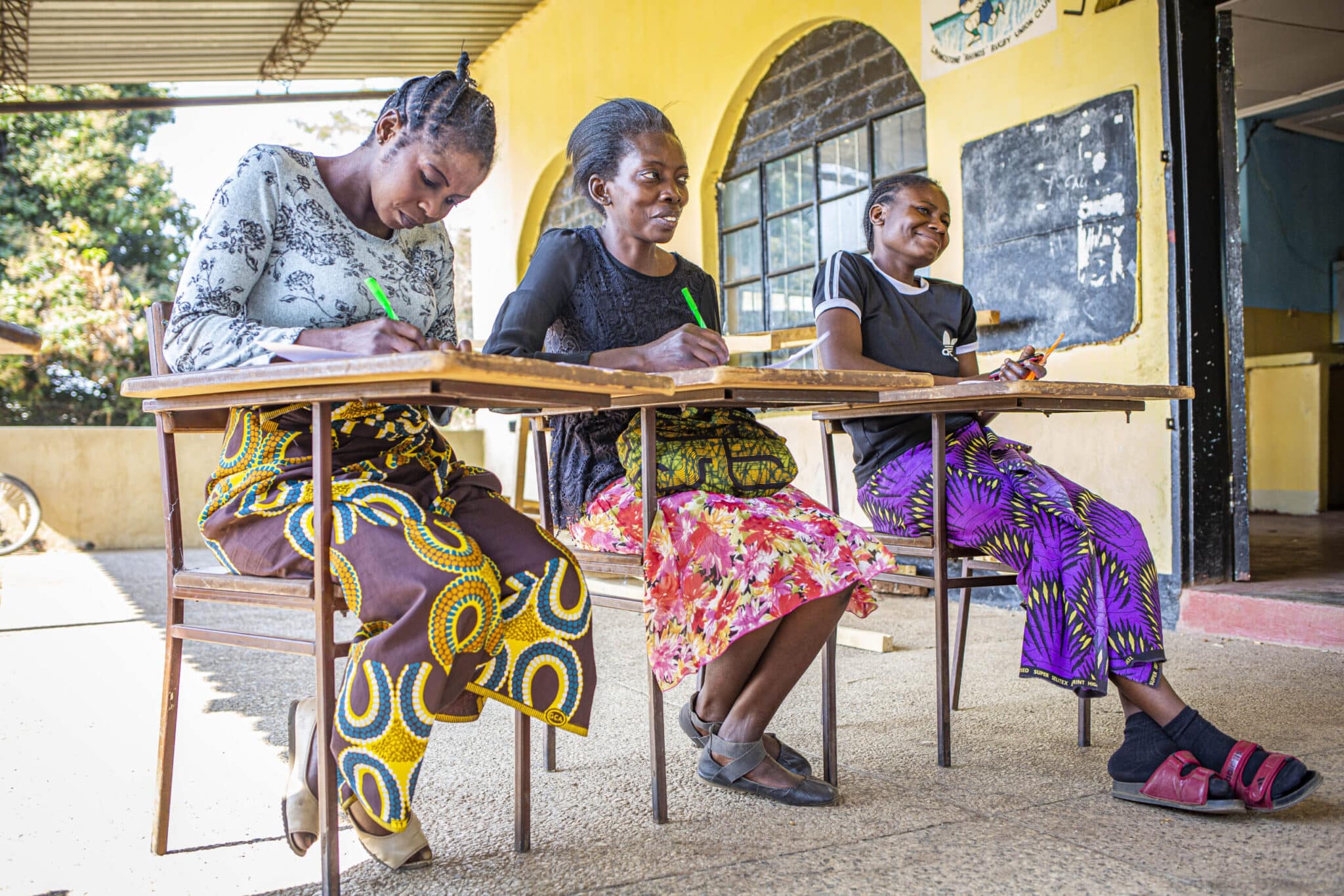
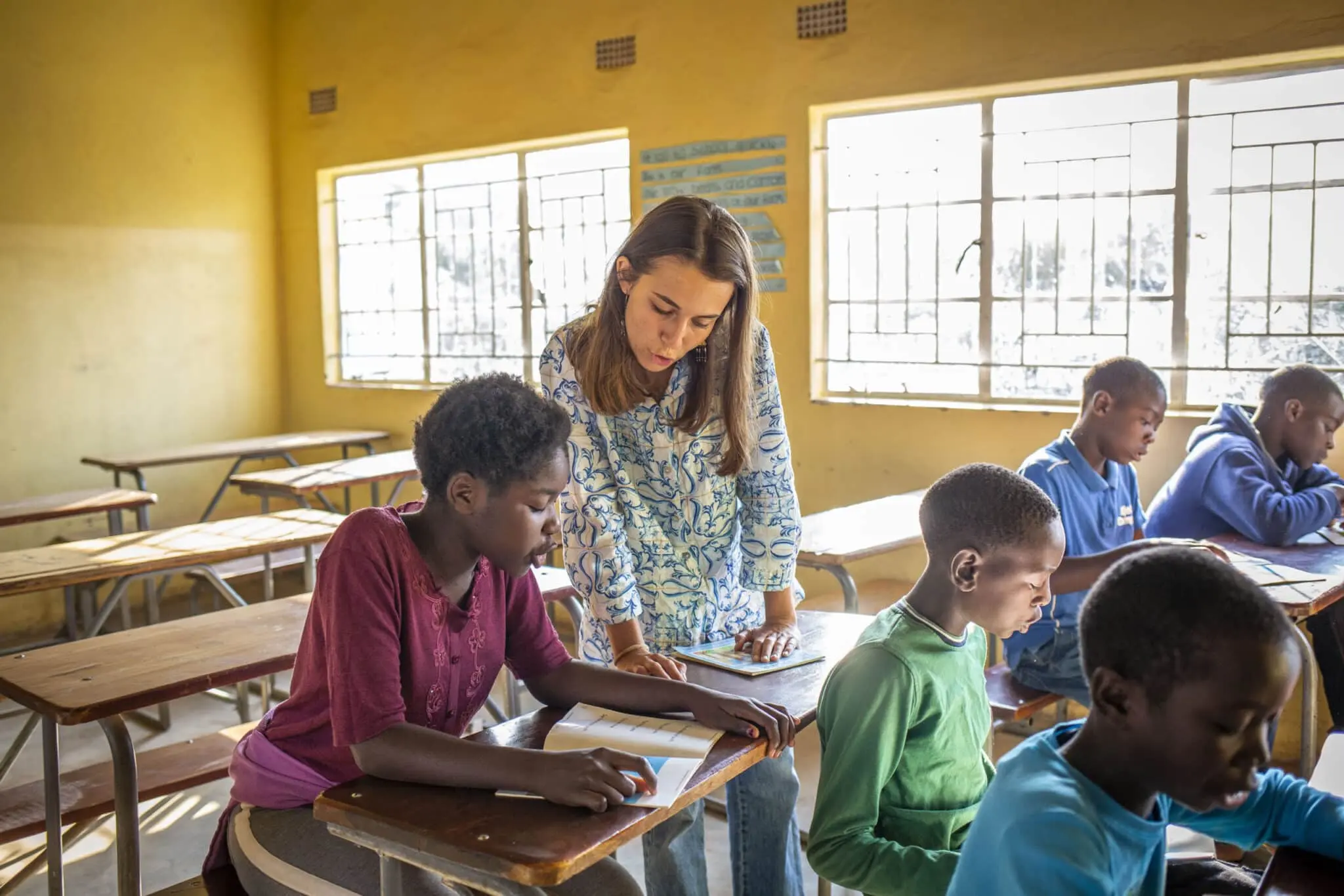
Contribute to the education and welfare of the local Zambian communities on the outskirts of Livingstone.

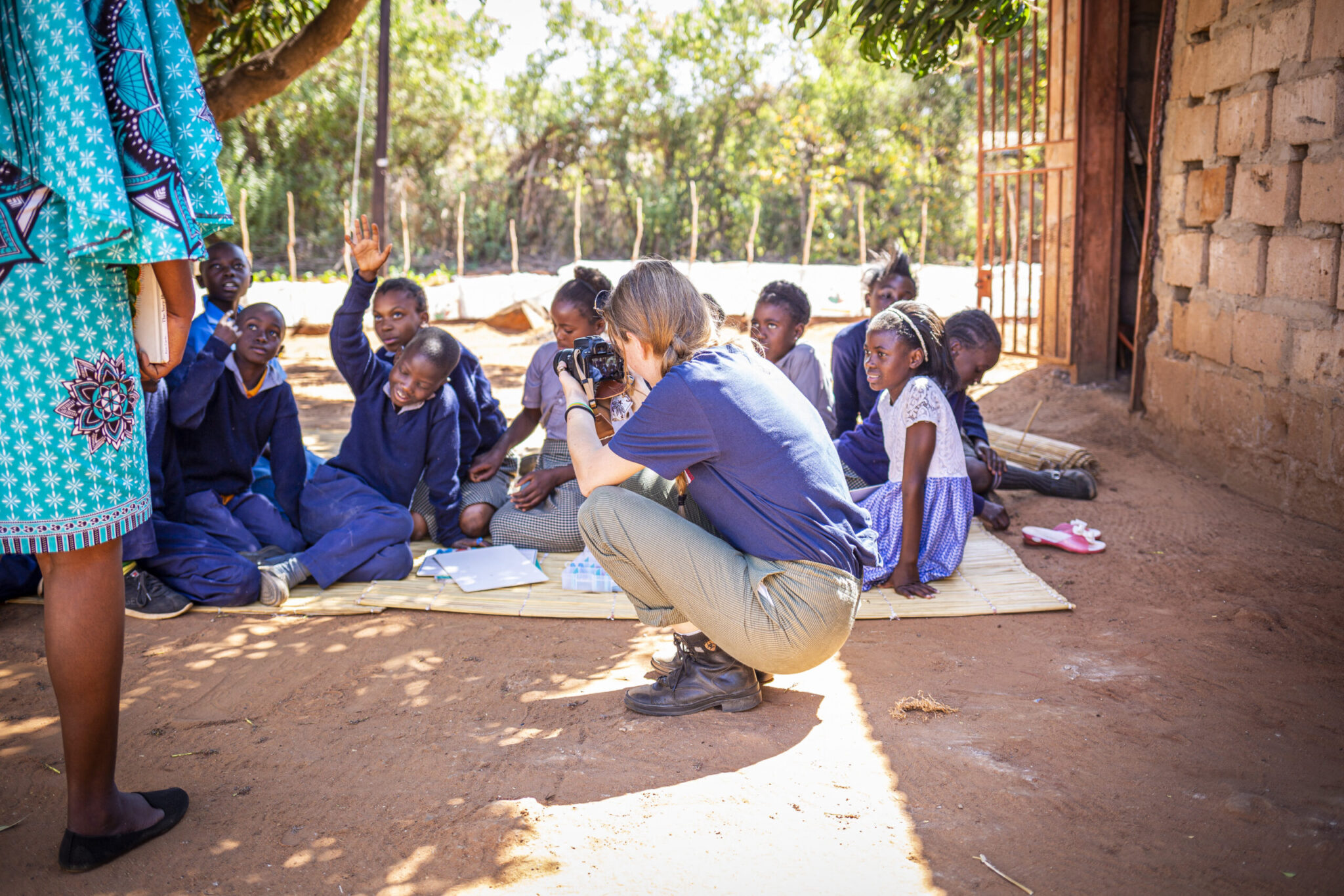
- Spend your time helping to provide local schools much needed support working with the teachers to give children a better chance for a fuller education
- Join the conservation education team in local schools giving you a wonderful insight into the Zambian community, as well as giving you a chance to help save the future of the Zambian environment by educating the local children;
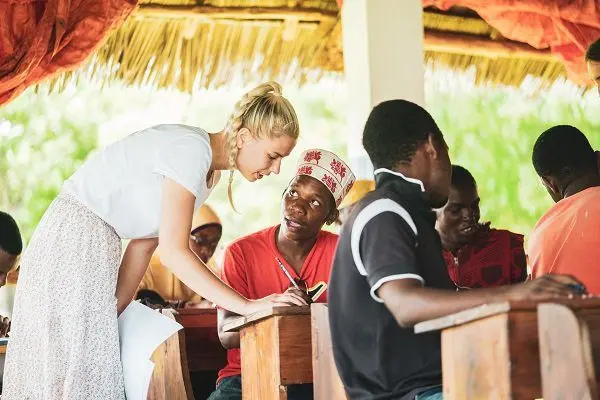
- Use your skills, and interests to offer extracurricular classes to widen the knowledge of Zambian people;
- Be based on the world’s leading programme for the release of lions back into the wild;
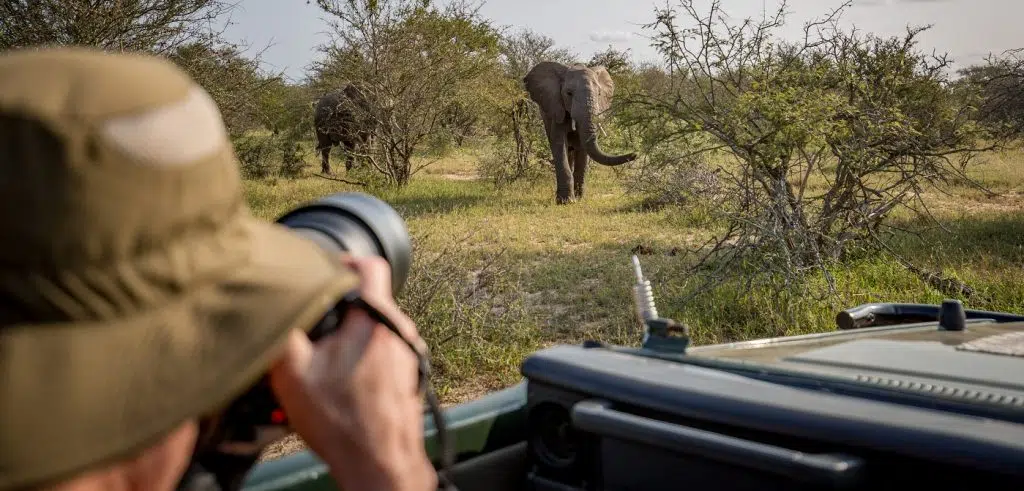
- Experience the African bush in a very special way as you spend time out in the Mosi-oa-Tunya National Park. Your accommodation will be in the national park;
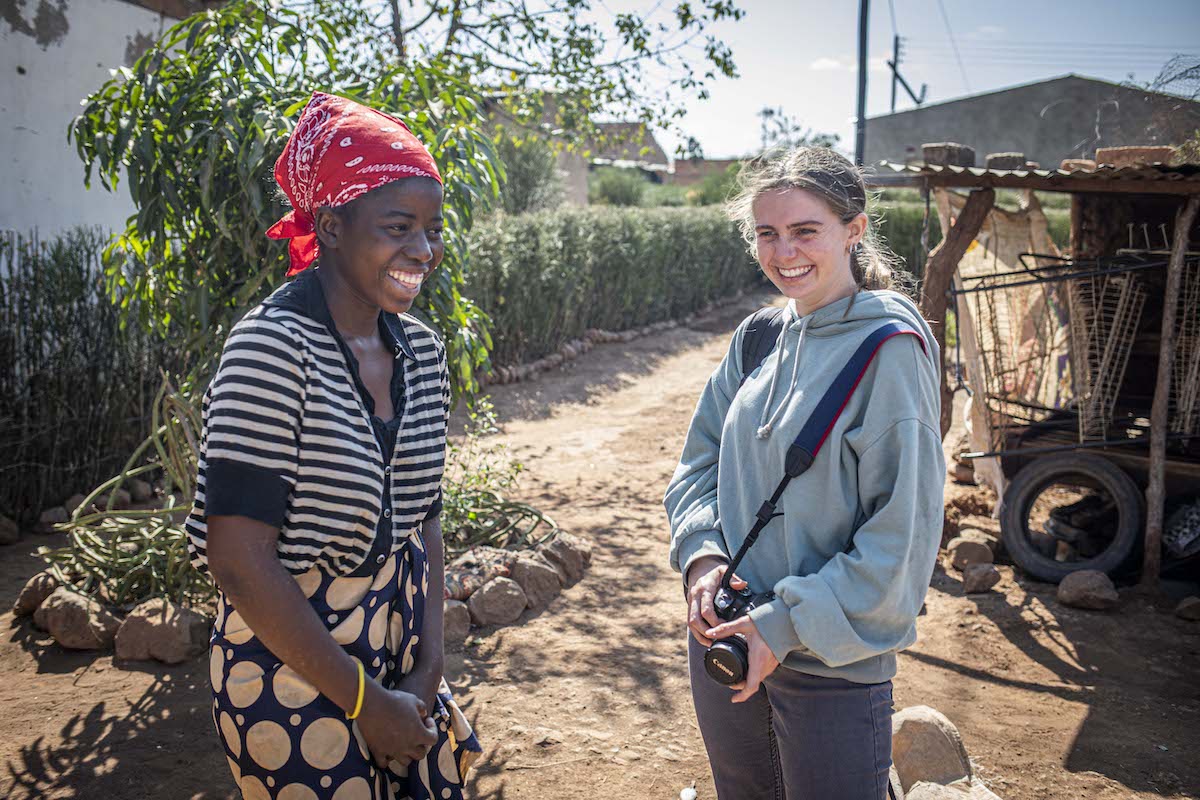
- Immerse yourself in local Zambian culture;
- Enjoy the many adventure activities available from white water rafting on the mighty Zambezi River; bungee jumping from the Victoria Falls Bridge or taking to the air for a helicopter flight over the Falls giving a bird’s eye view of this natural wonder;
- Take advantage of optional trips to see more of the areas spectacular wildlife areas in neighbouring Botswana or Zimbabwe. Chobe National Park is just an hour or so away, and you can also visit the lion rehabilitation programme’s breeding base at Antelope Park;
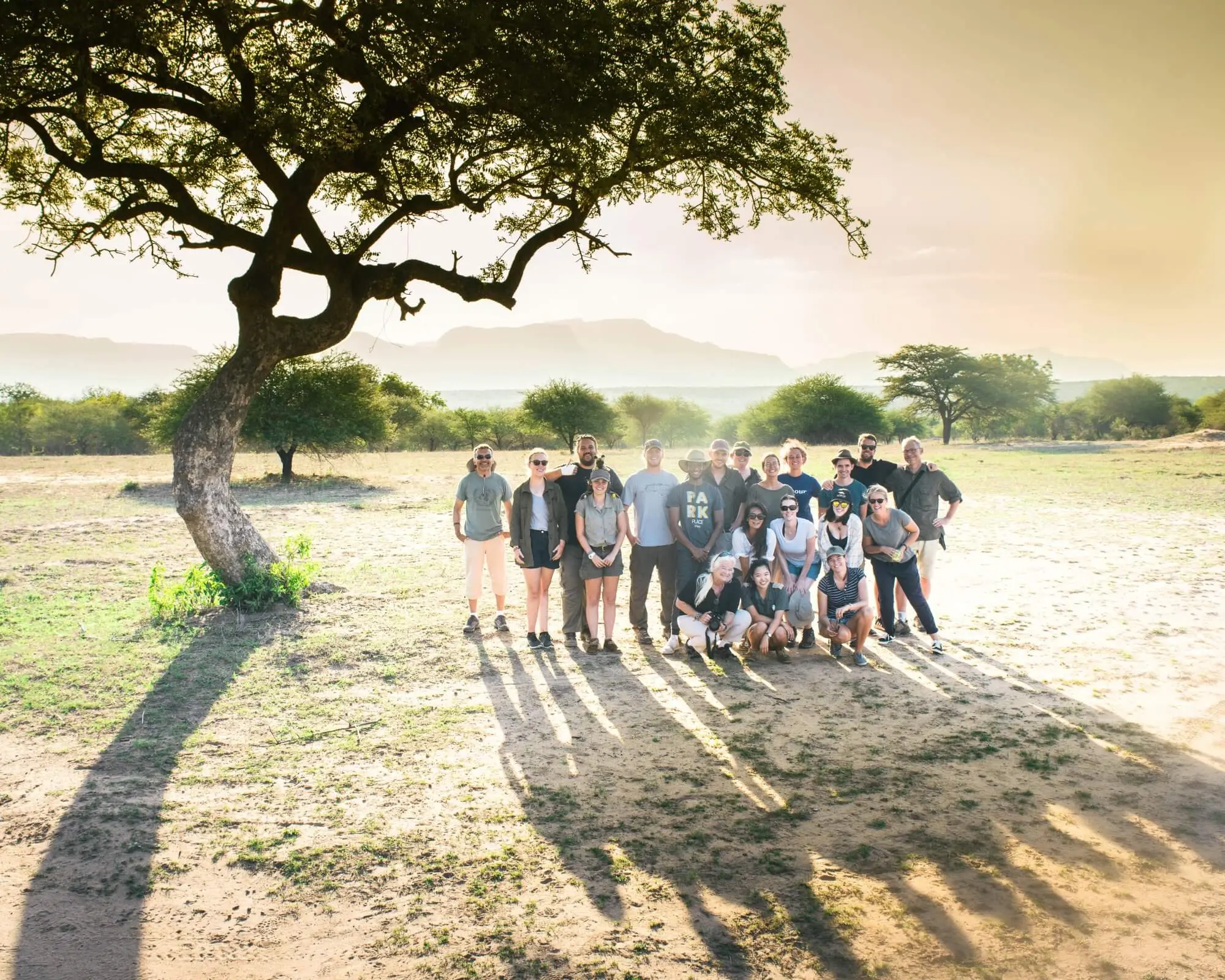
- Make friends for life with the other international volunteers and Interns on the programme as well as those on the lion project.

Internship Cost Includes:
- Project Fee: this entails financing that goes directly back into the project that you are involved with. This project fee facilitates funding for items, supplies and support for community initiatives and the development of the lion rehabilitation programme
- All transfers to and from Livingstone Airport upon your arrival and departure
- Assistance in your projects by various trained guides, community liaison officers and field staff during your stay
- Any wildlife education talks that take place during your stay and that you might wish to partake in
- Full board and lodging which includes 3 meals a day and unlimited tea, coffee and juice throughout the day
- Laundry service during your stay and the service of a cleaner to attend to your room each day
Internship Cost Excludes:
- All items of a personal nature, such as curios, gifts, clothing (work and other)
- Flights to Livingstone International Airport
- Email and telephone calls made during your placement (charged out at cost)
- Any excursions over and above your planned itinerary e.g. visit to Chobe National Park
- Personal insurance cover for the duration of your placement, which must include cover for repatriation

On arrival at the Livingstone project, the following orientation will take place:
- You will receive your volunteer's manual which includes information that will help with your integration into the project, as well as give you further tips for your involvement at the Livingstone programme
- Introduction to all senior project staff and heads of department
- Familiarization of the work areas – including rivers, internal roads and tracks and some of the wildlife species
- Introduction to the lions and cub enclosures
- Briefing on the community and schooling structure, how to plan lessons, and other information about the community projects.
- Meet and Greets with the school teachers and head masters you’ll be working with
- Familiarization with all duties you will be involved in

The minimum age for this project is 17 and as long as you’re fit and healthy, we have no upper age limit. Please check when booking if you have any health specific enquiries.