Volunteer Work in Madagascar
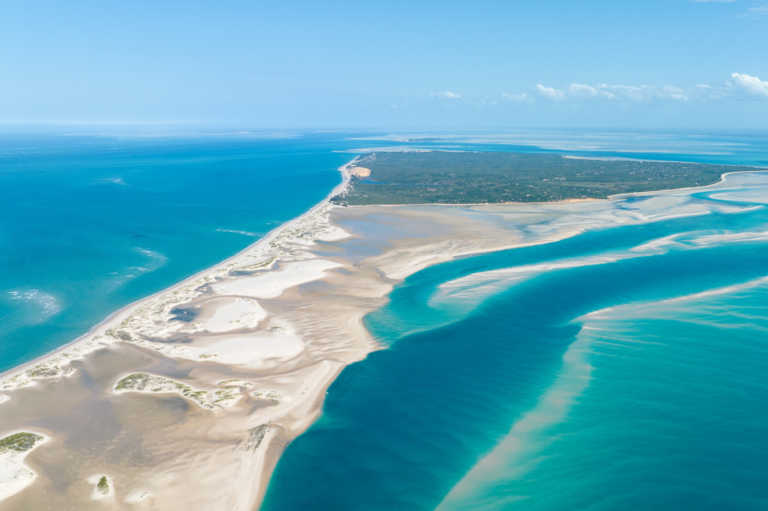
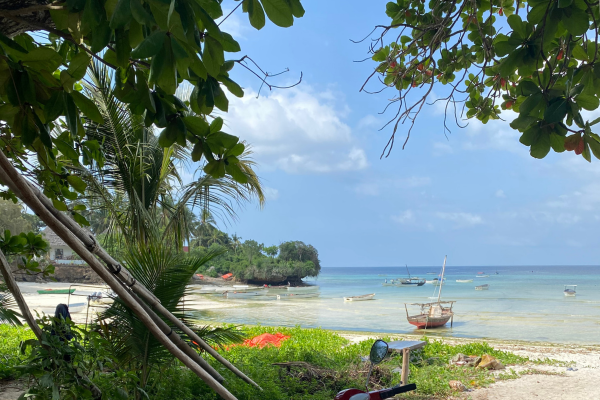
Famous for its pepper, vanilla and possibly most well known its lemurs, Madagascar is ringed with golden beaches and palm trees. It is found off the south-east coast of Africa and separated by the Mozambique Channel and hundreds of kilometres of ocean expanse. Behind the islands beautiful coral beaches travellers will find an almost continuous line of picturesque lagoons.
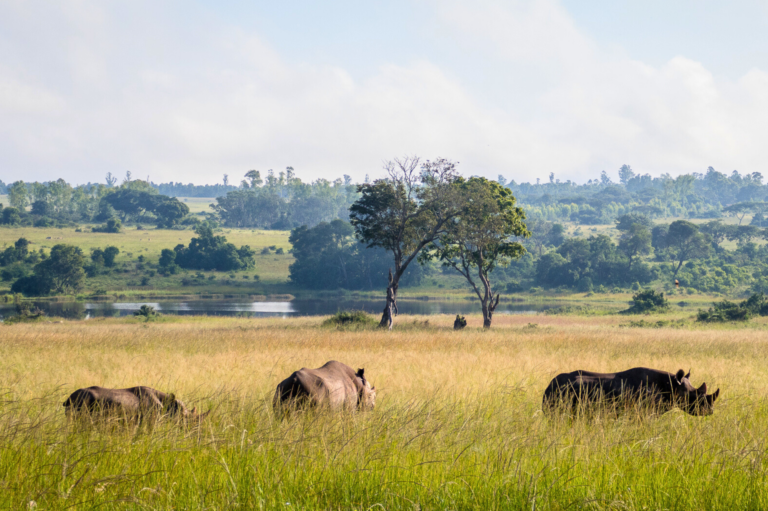
The creatures to be found on this, the fourth largest island in the world, are like none other found on earth. Separated from the mainland 165 million years ago, 75% of all the unique animals which call this island home are endemic to Madagascar.
The islands volcanoes, rainforests and grassy plateaus are home to some of the world’s most interesting living animals, from the biggest and smallest chameleons, over 32 different types of lemurs and a staggering 3000 indigenous species of butterfly. Madagascar boasts an immense diversity of flora and fauna -12,000 plant species to be exact, with 10,000 common to the island.
Volunteering in Madagascar | Working Holiday
This beautiful island is also home to 3 World Heritage Sites. Tsingy de Bemaraha Strict Nature Reserve: featuring the spectacular canyon of The Manambolo River, rolling hills and high peaks; the Royal Hill of Ambohimang: an ensemble of sacred places and the Rainforests of the Atsinanana: which comprises six national parks and is critically important for maintaining ongoing ecological processes necessary for the survival of Madagascar’s unique biodiversity.
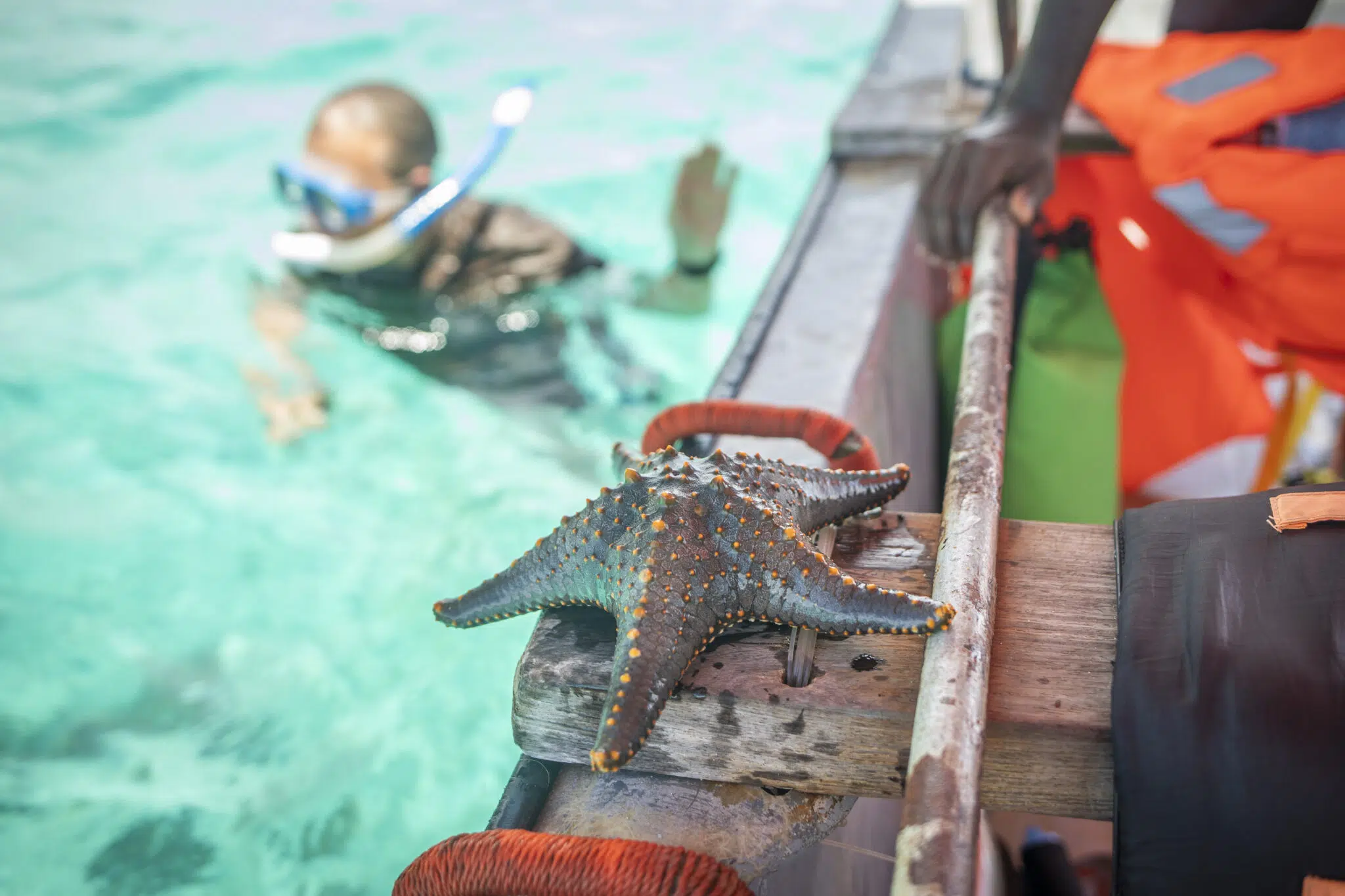
Madagascar’s sun and beaches are real tropical gems for snorkelers and scuba divers alike. They are also a surfer’s wonderland with many high-quality breaks being found among the area's coral reefs. Discover new landscapes of tropical forests, savannah and palm trees when you explore Madagascar by foot. There are ranges of hikes and treks that will allow you to appreciate the ecosystems and scenery unique to this tropical wonderland.
The beaches are not the only gems this breathtaking destination lays claim to. Madagascar is also very rich in precious stones and minerals such as garnets, ruby and sapphire. Madagascar’s sapphire belt is also thought to be the largest in the world with the discovery of this jewel in 1998.
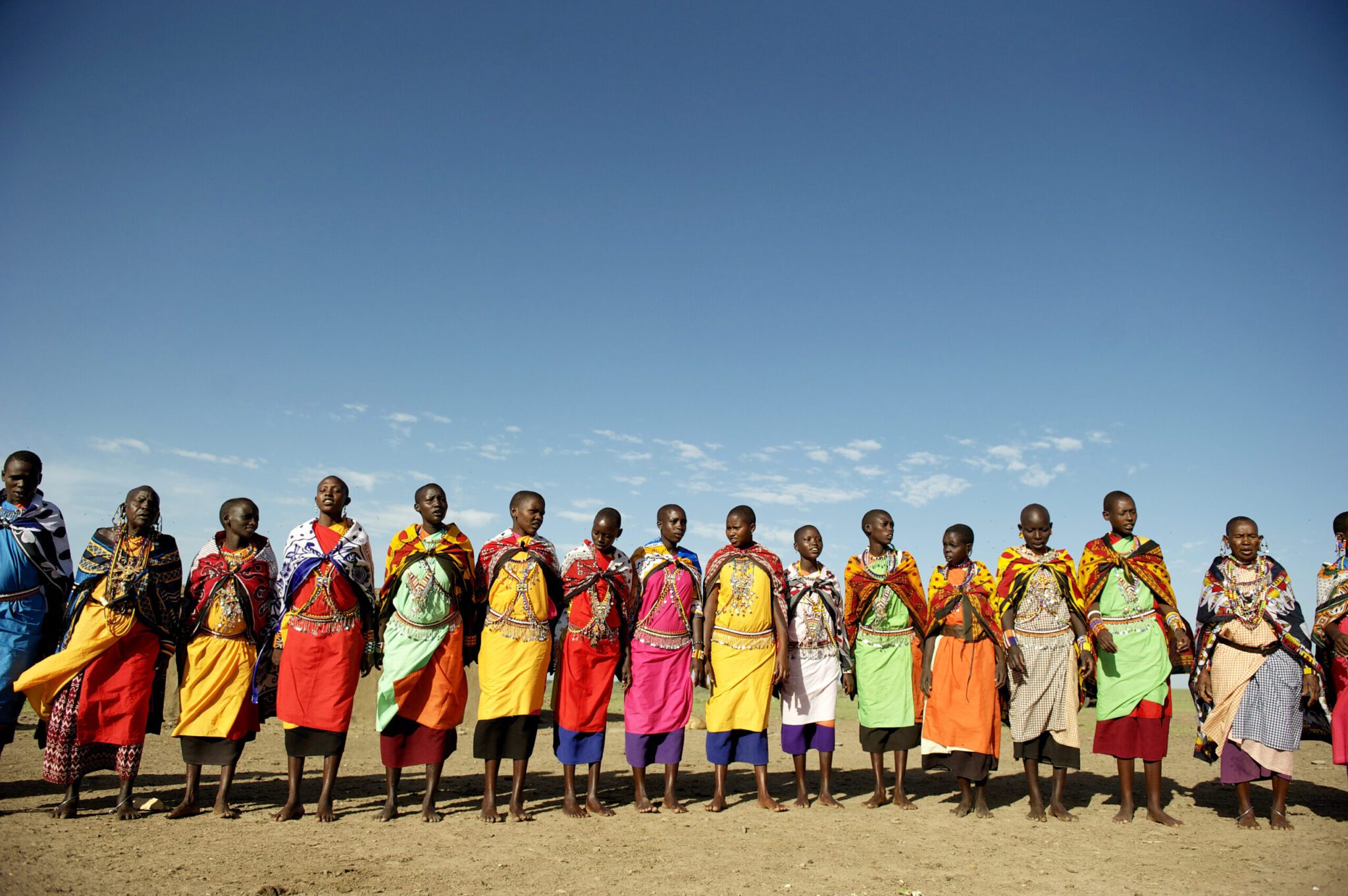
With its rich and fascinating culture, it includes 18 different ethnic groups from throughout Indonesia, Africa and the Arabian Peninsula. They are all united today in a common Malagasy culture and language. Visit the markets, the Parc de Tsimbazaza zoo, museum, botanical gardens, restaurants and night-life and discover one of Africa’s best kept secrets!
FEATURED PROJECTS IN MADAGASCAR
Be part of a number of exciting research and conservation initiatives, dedicated to Lemurs on an extensive range of projects - from the collection of data on endangered lemur species to environmental education with local communities and even...
How Long: 2 weeks - 10 weeks
Where: Anosy, south east Madagascar
Price: £600